


The eyes often reveal changes before the rest of the face does. A patient may feel rested, healthy, and energized, yet the mirror shows heaviness, puffiness, or shadows that tell a different story.
The upper lids may begin to fold over the lash line, while the lower lids develop bags or loose skin that makes the whole face look tired. That is where blepharoplasty can help. This procedure is designed to refresh the eyelids by removing or repositioning excess skin and tissue so the eyes appear brighter, cleaner, and more awake.
Many patients initially ask about only the upper or lower lids, then discover that treating both together may create the most balanced result. Keep reading to learn why combination eyelid surgery is so common and how it can support a more complete eye rejuvenation plan.
What Is Blepharoplasty?
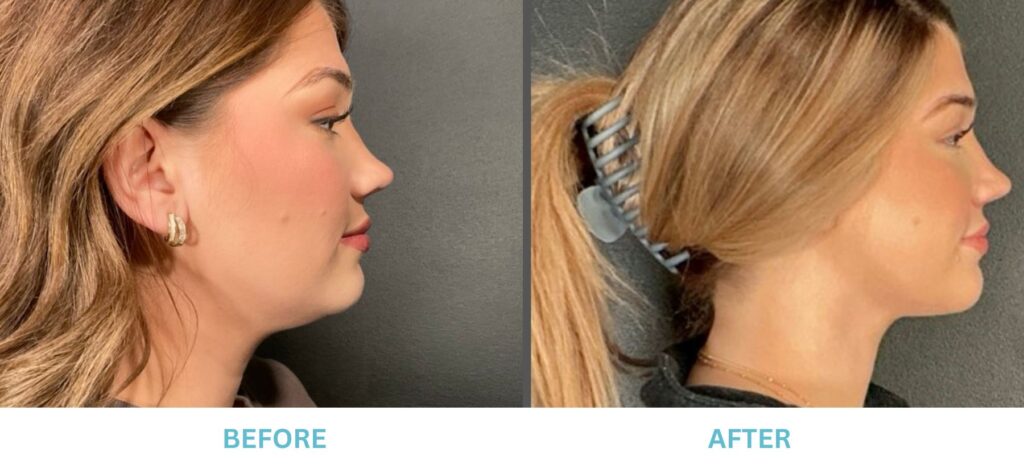
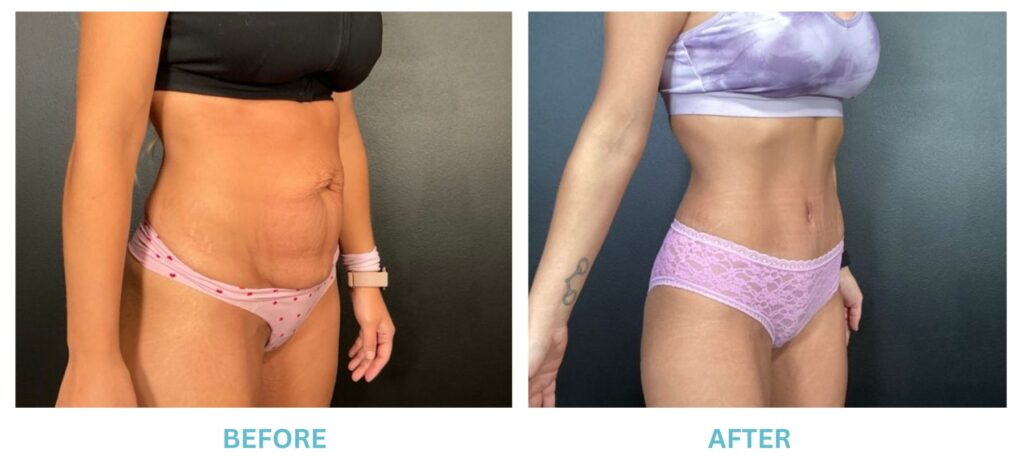
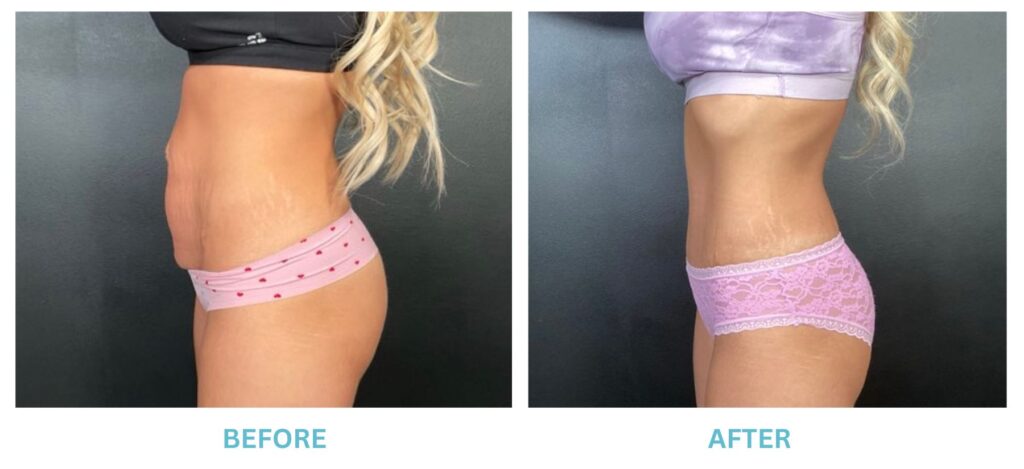
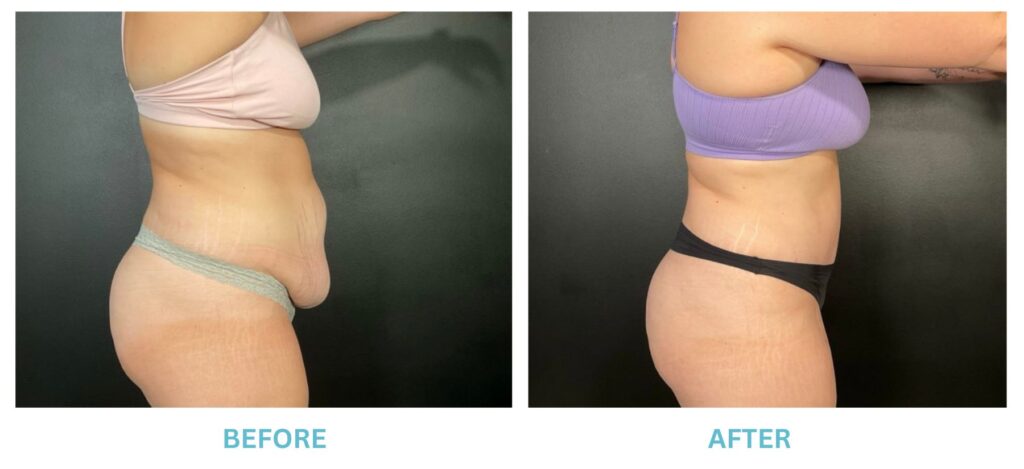
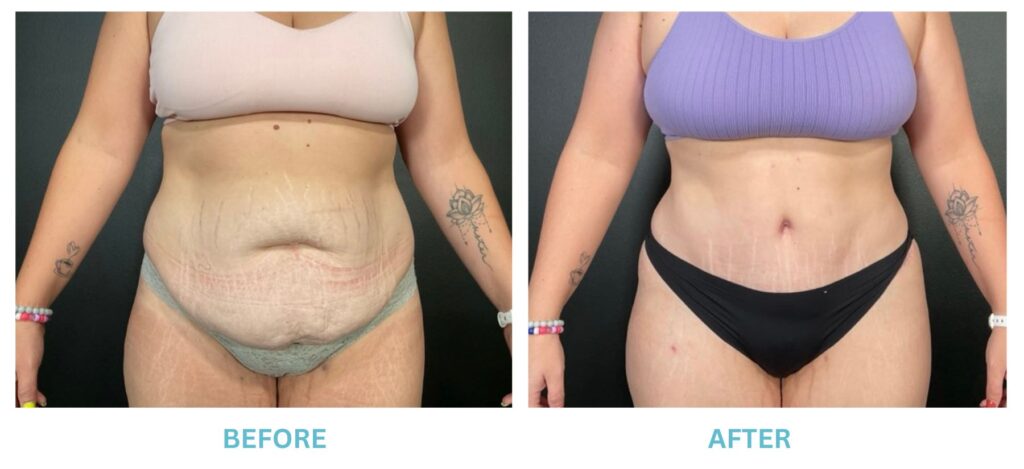
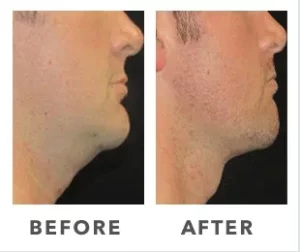
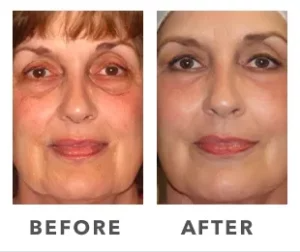
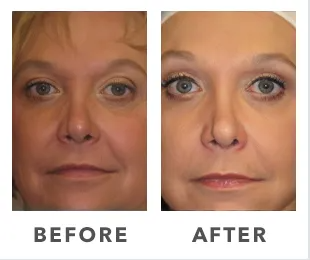
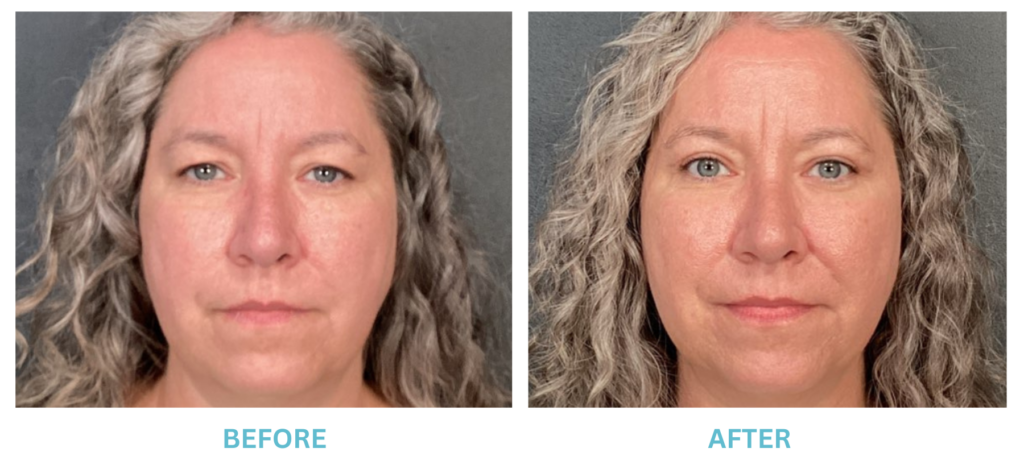
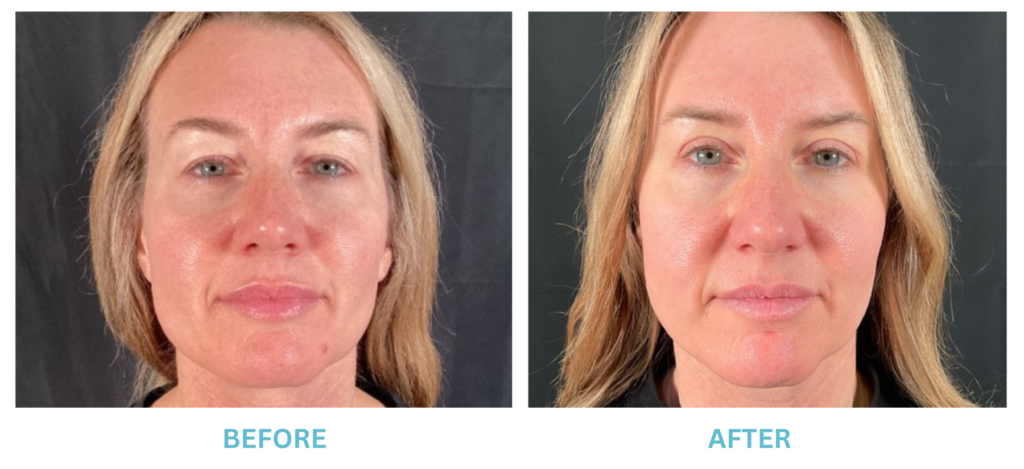
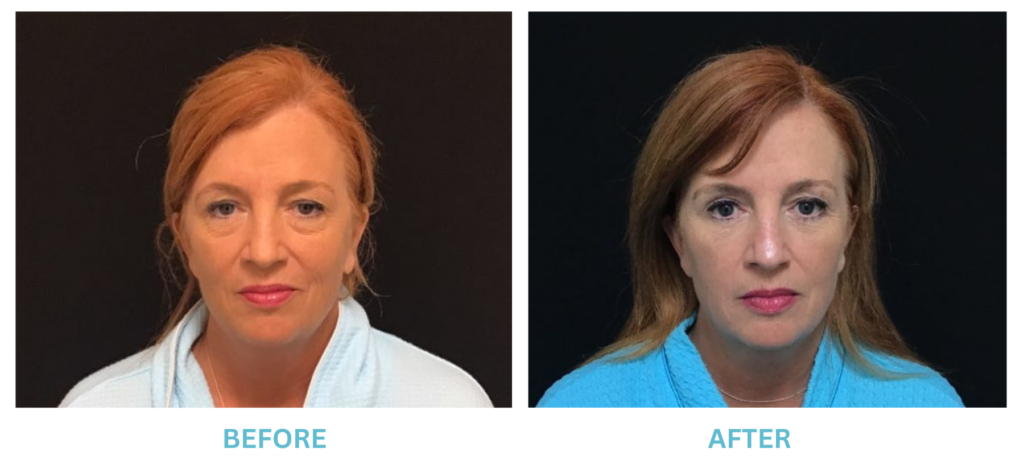
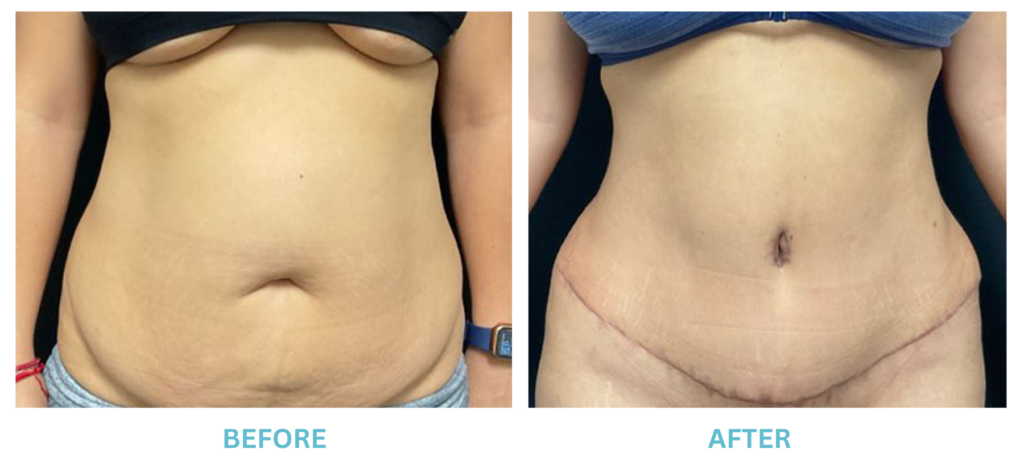
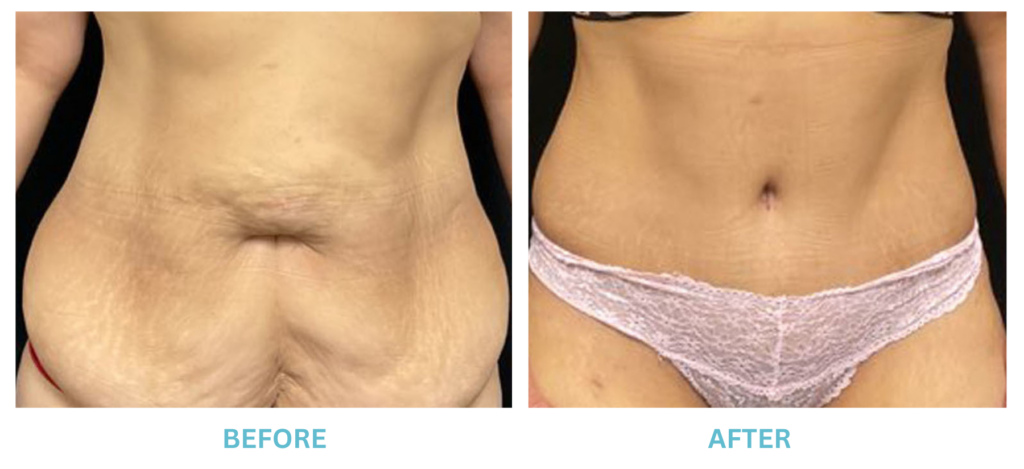
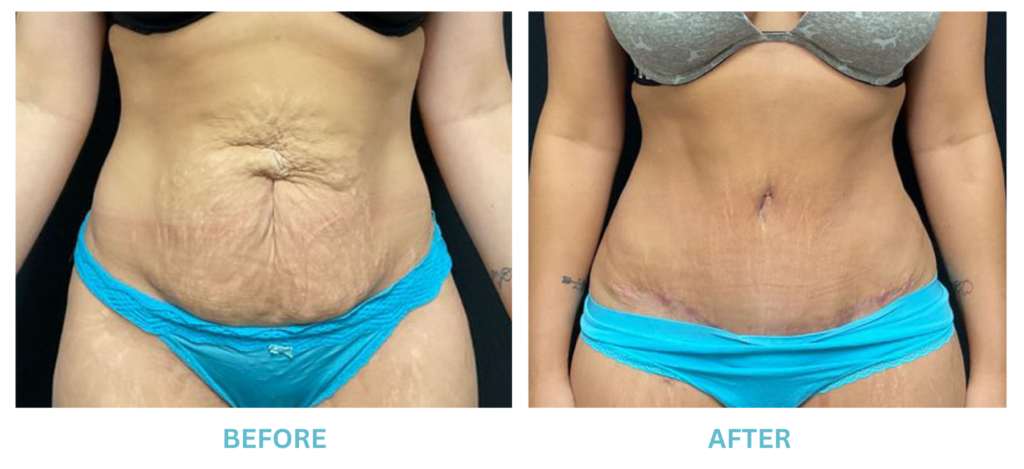
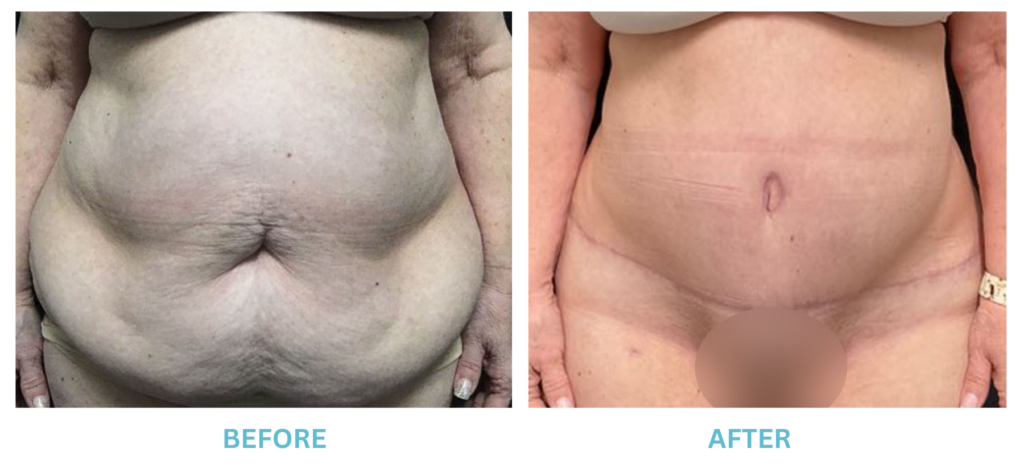
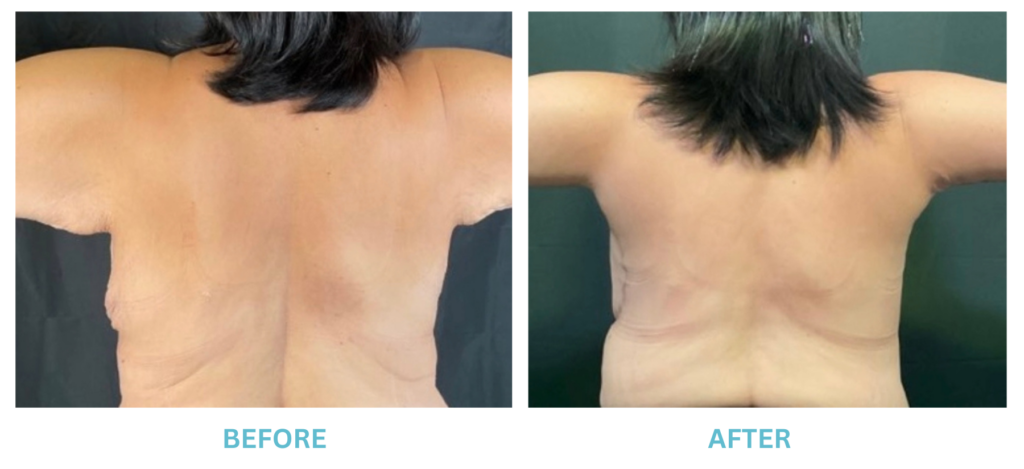
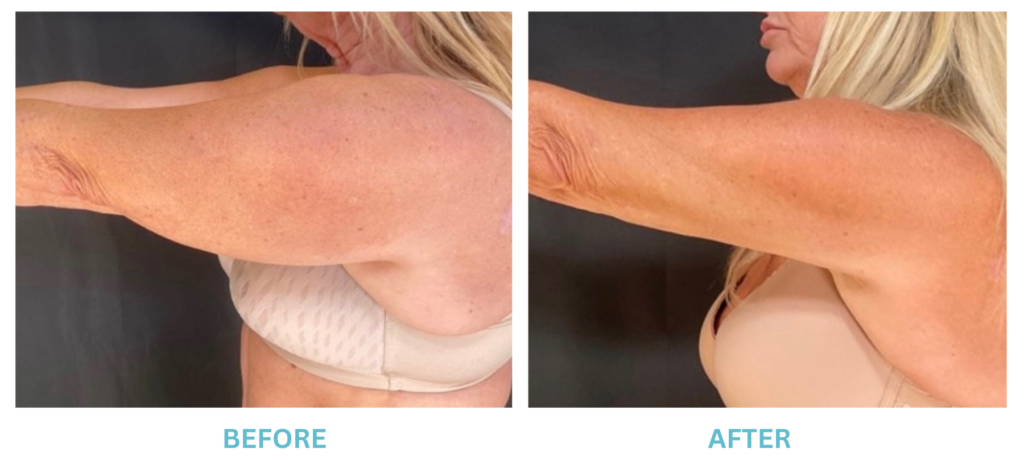
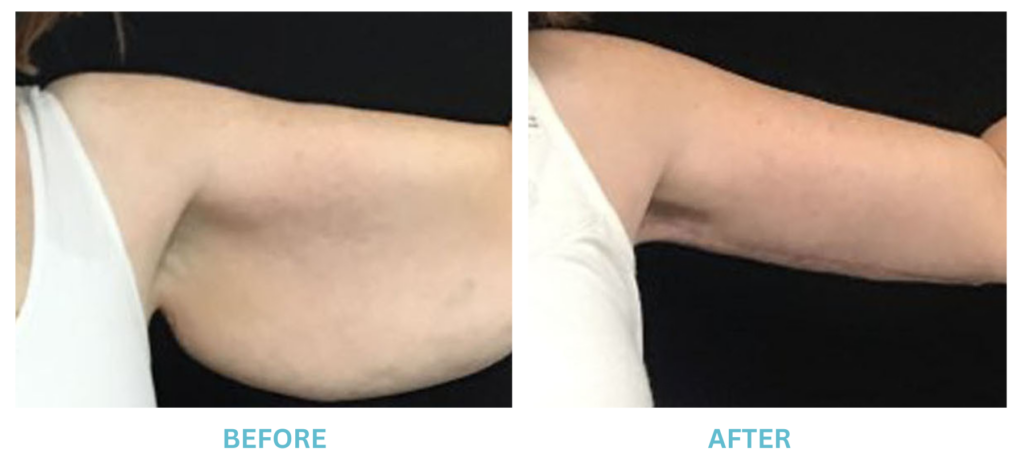
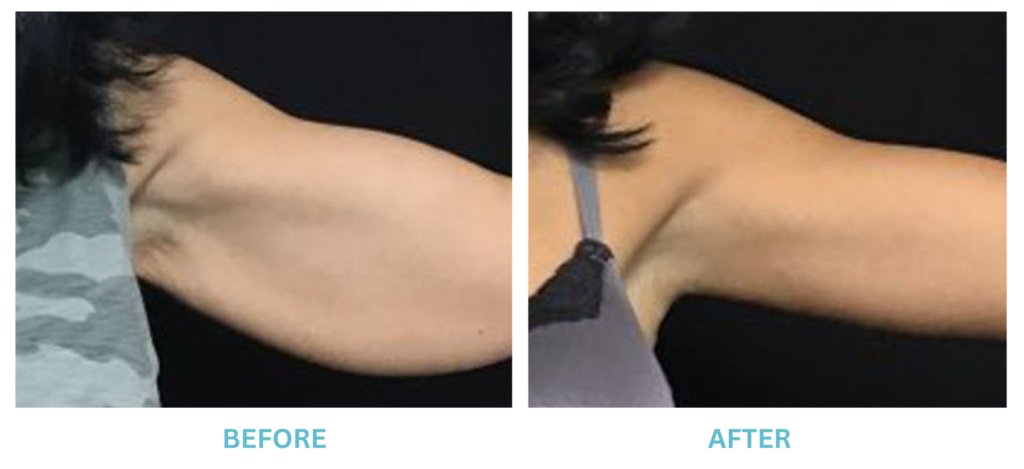
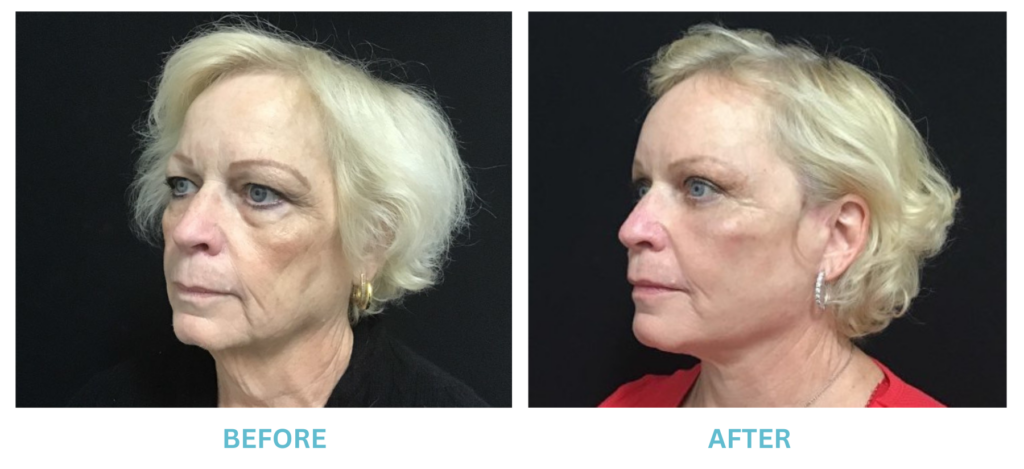
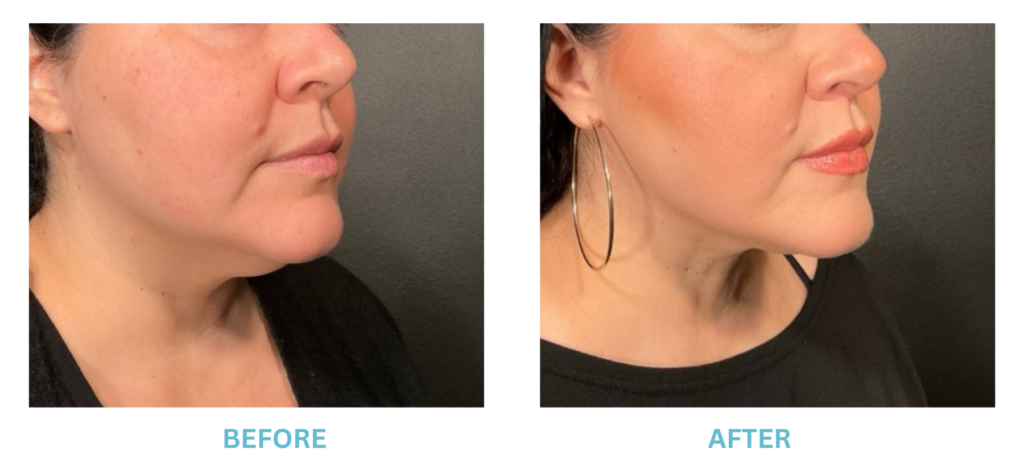
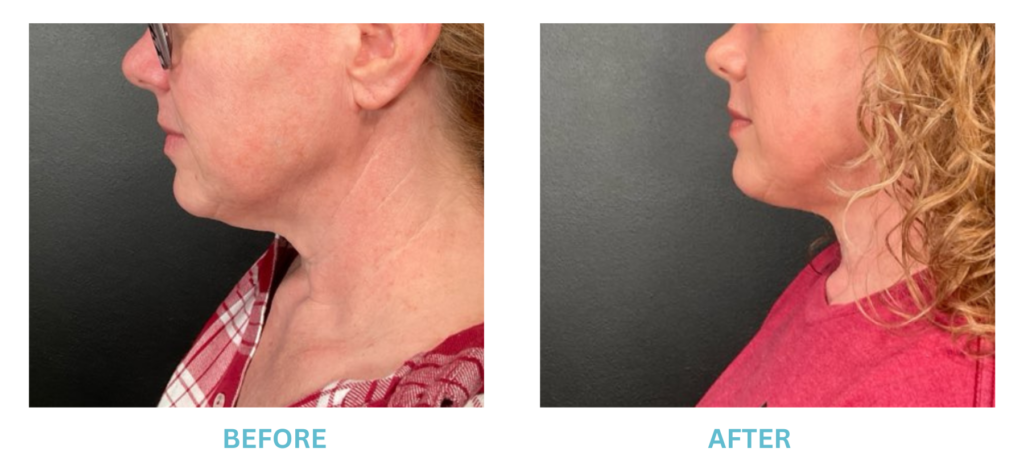
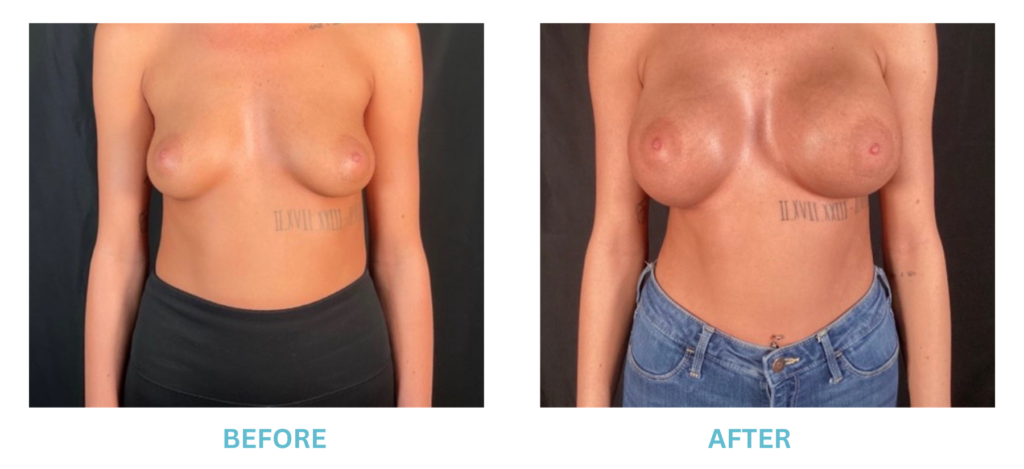
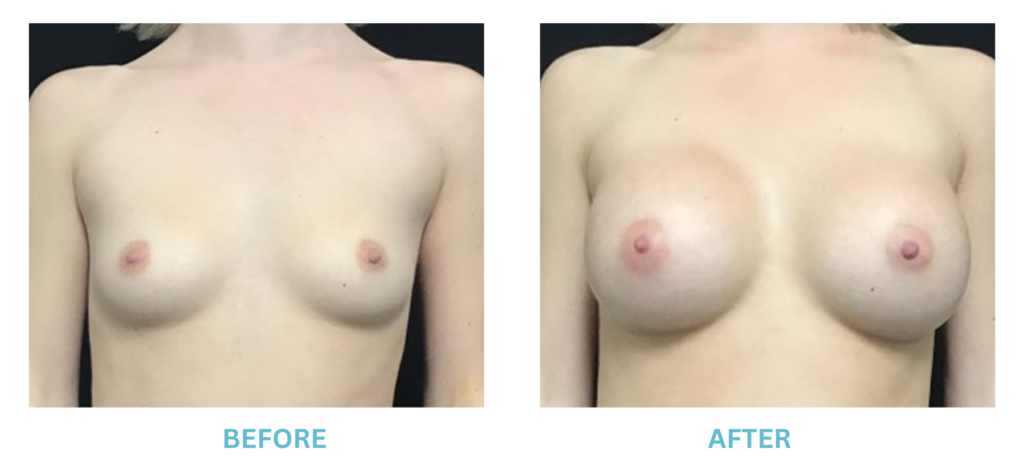
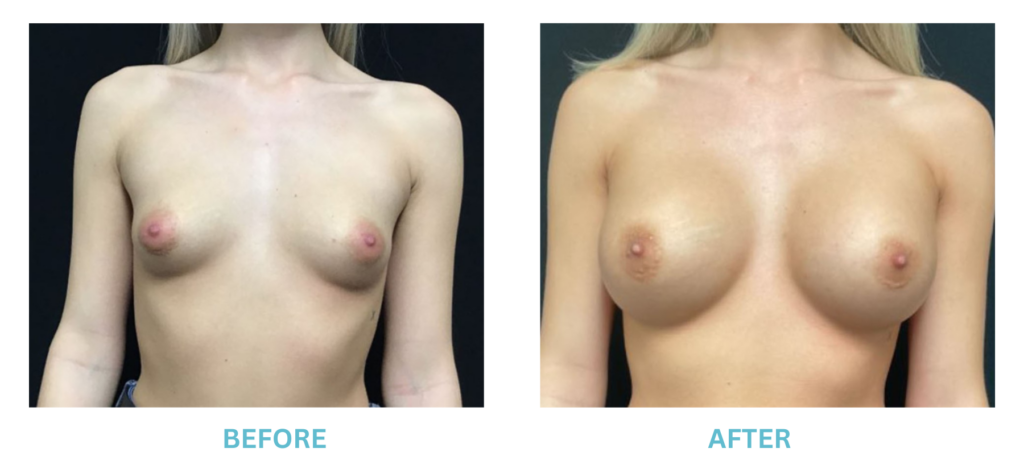
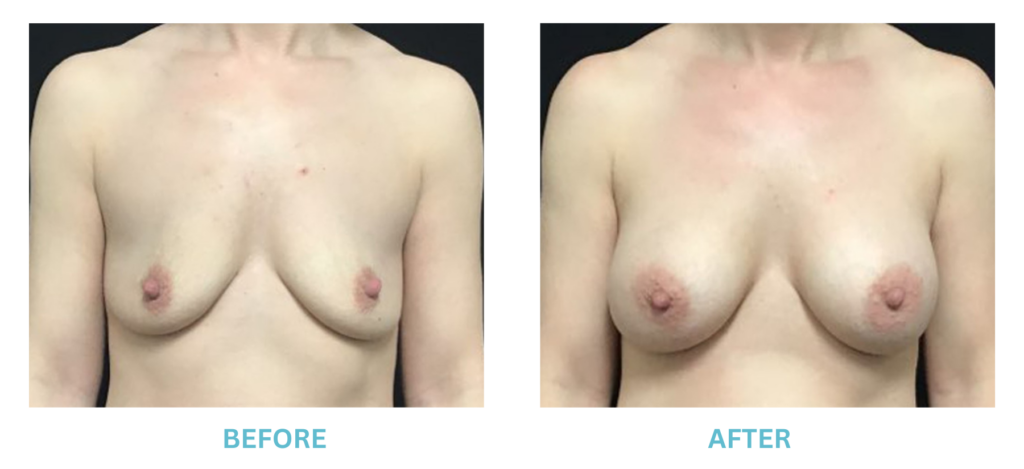
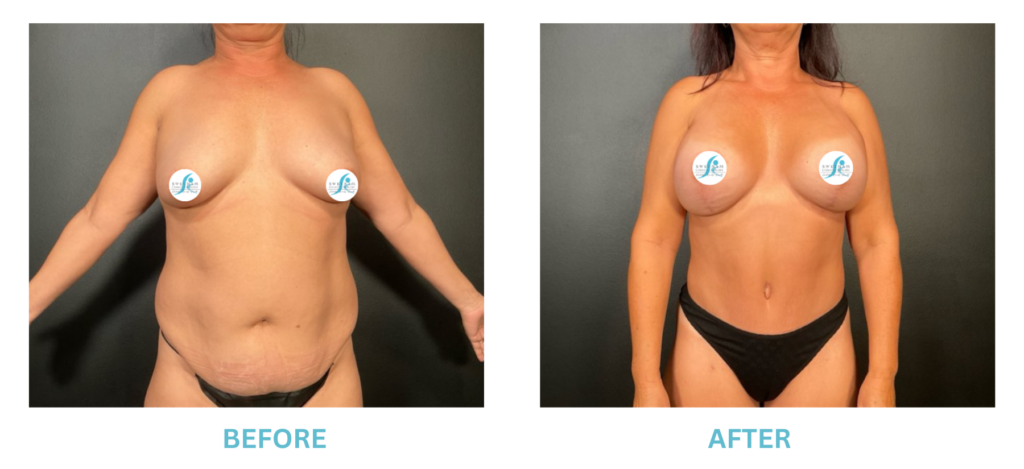
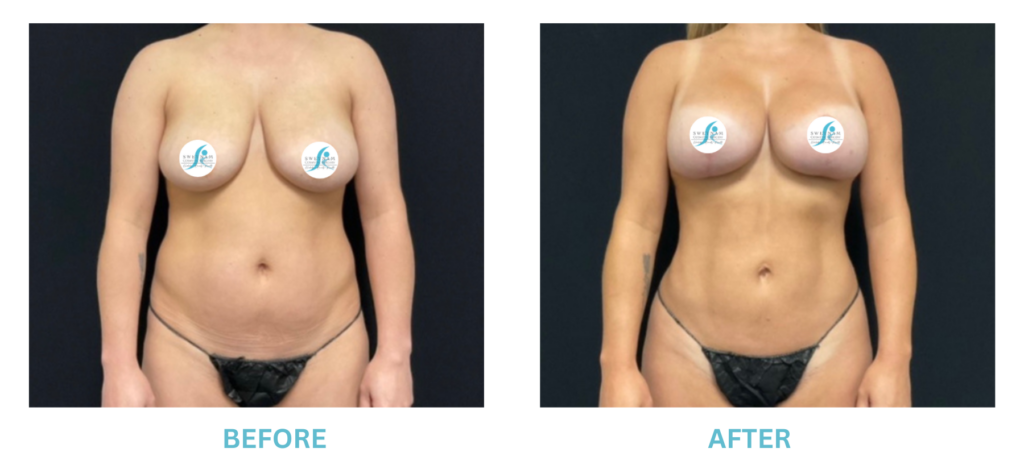
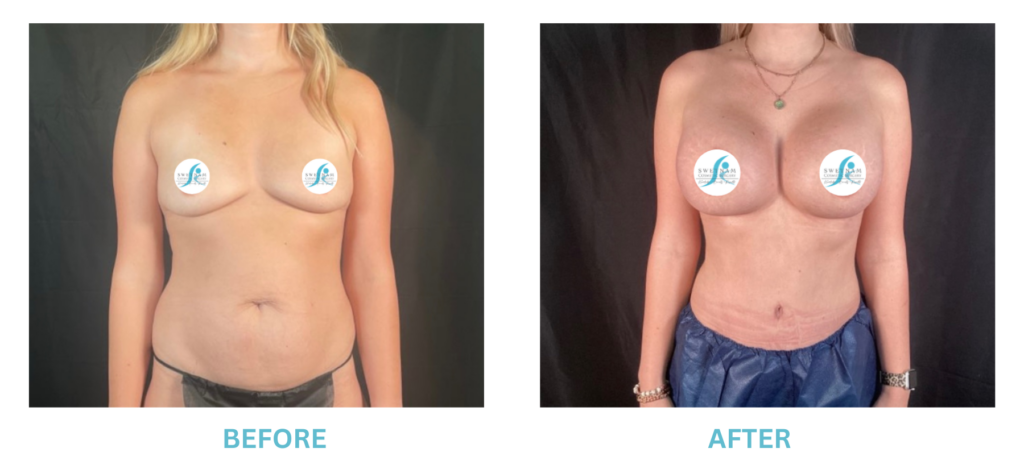
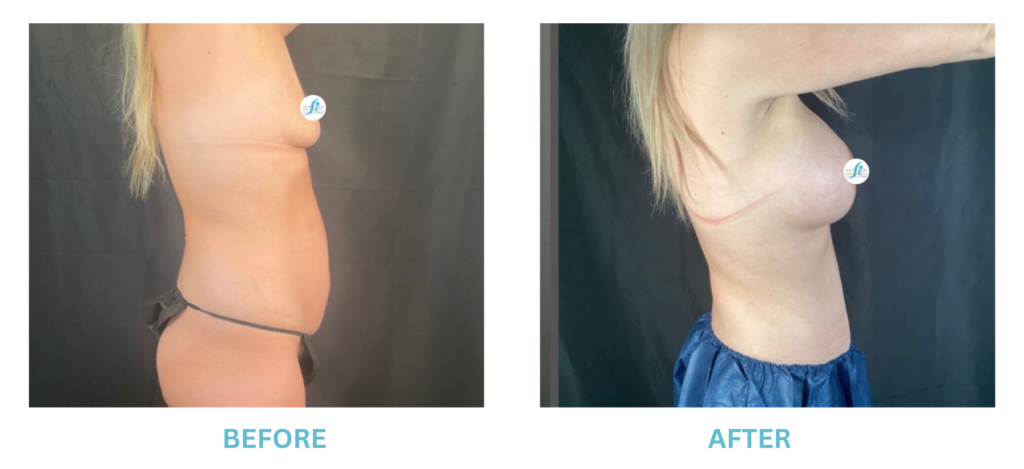
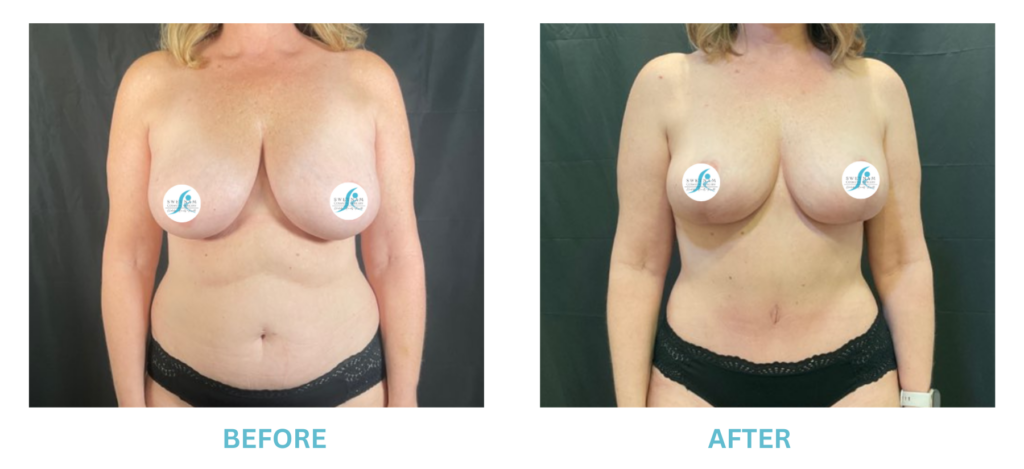
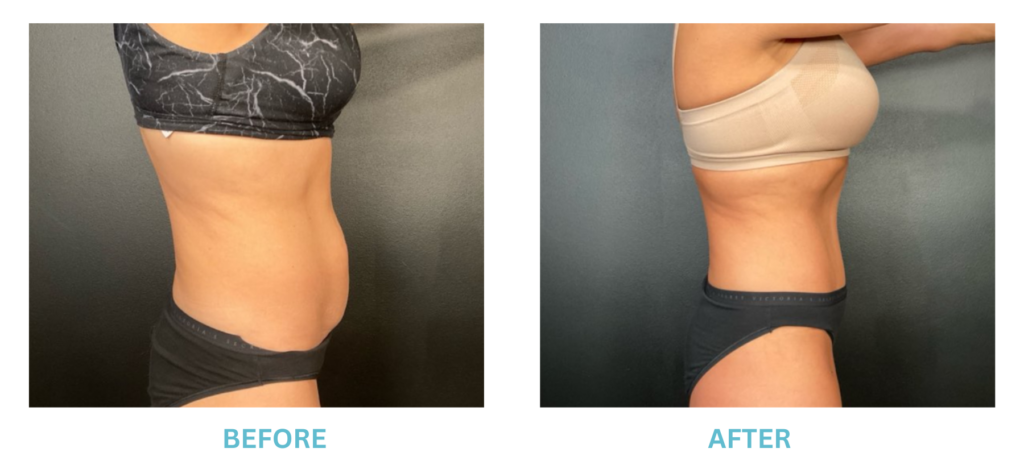
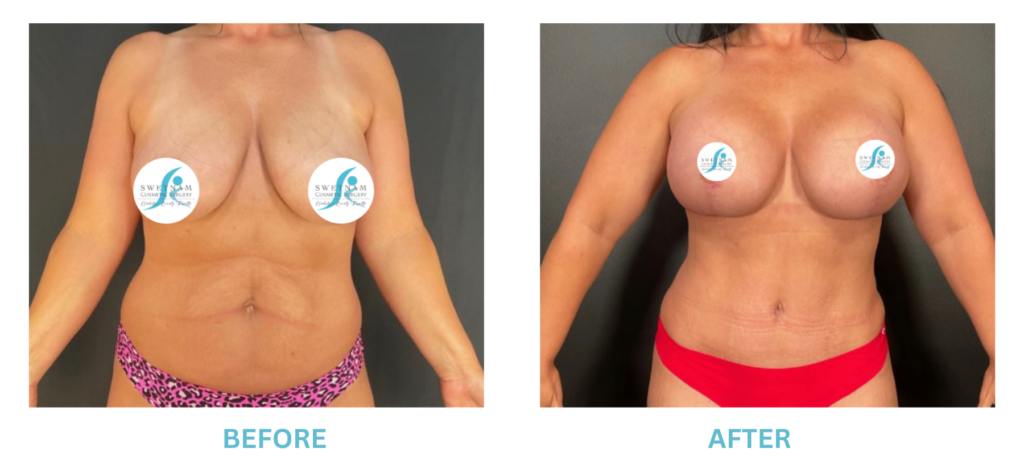
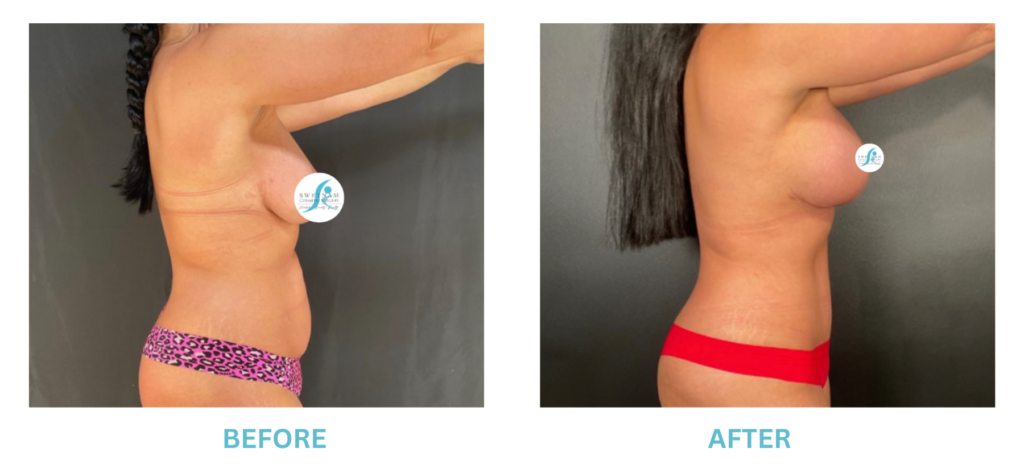
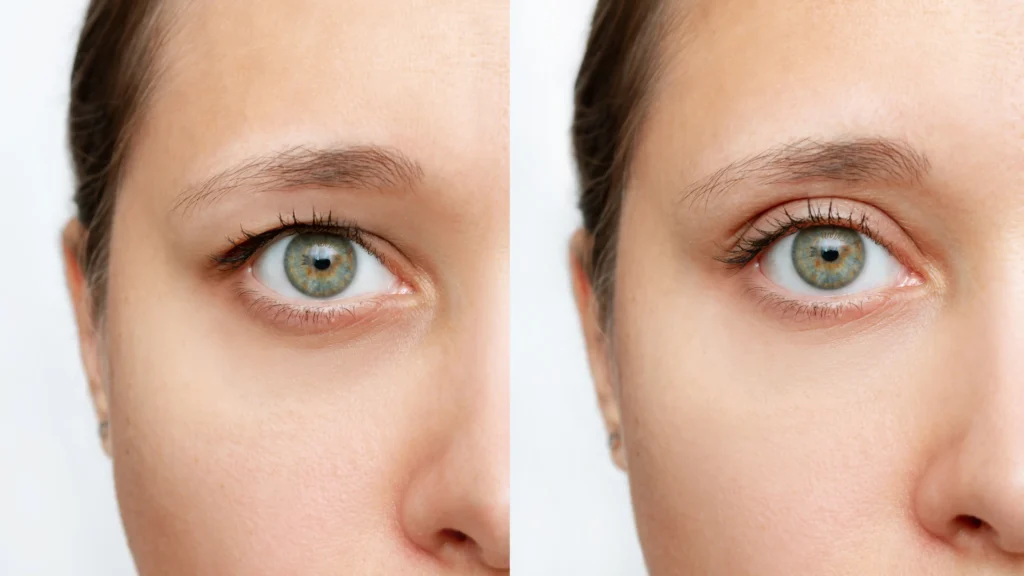
Blepharoplasty is a surgical procedure that improves the appearance of the upper eyelids, lower eyelids, or both. As shown in the reference image, eyelid surgery can involve removing excess skin from the upper and/or lower lids to create a brighter, more youthful-looking appearance.
It may also help address chronic puffiness and “bags” beneath the eyes. Upper eyelid surgery typically focuses on excess skin and heaviness above the eyes. Lower eyelid surgery usually focuses on under-eye bags, puffiness, loose skin, or shadows beneath the eyes.
When both concerns are present, combining the procedures can create a more harmonious result.

Why One Area Leads to Another
Patients often notice one concern first. For some, it is the upper lid: makeup disappears under folds, the eyes look smaller, or the lids feel heavy. For others, it is the lower lid: puffiness, bags, or shadows create a tired appearance.
The challenge is that the eyes are read as one complete feature. If only one area is treated while the other still shows aging, the result may feel incomplete. That is why many patients who come in for one eyelid concern end up discussing both.
It is not about doing more surgery for the sake of more. It is about creating a proportion between the upper and lower eye areas.
1. The Eyes Age as a Unit
The upper and lower eyelids do not age separately, even if one area becomes more noticeable first. Skin laxity, collagen loss, fat shifting, and muscle changes often affect the entire eye region.
A patient may focus on droopy upper eyelids because they are visible in the mirror every morning, but the lower lids may also have puffiness or fine creasing that contributes to the same tired look.
If only the upper lids are corrected, the eyes may look more open, but the under-eye bags may stand out more. If only the lower lids are treated, the under-eyes may look smoother, but heavy upper lids may still make the face look fatigued. Treating both areas can create a cleaner, more unified refresh.
2. Upper Lids Can Make the Eyes Look Smaller
Upper eyelid heaviness can change the entire expression of the face. When excess skin folds over the upper lid, the eyes may appear smaller, sadder, or more tired. Some patients also feel physical heaviness, especially later in the day.
Makeup may smudge or become hidden, and the natural eyelid crease may become less visible. Upper eyelid surgery removes carefully measured excess skin and tissue to restore a more open appearance. The goal is not to hollow the lid or create a startled look. It is to reveal the eyes in a natural, rested way.
When the lower lids also have bags or laxity, combining procedures can prevent the upper improvement from making lower concerns more obvious.
3. Lower Bags Can Keep the Face Looking Tired
Lower eyelid changes are one of the most common reasons patients feel they look older than they feel. Under-eye bags may be caused by fat pads that become more prominent over time. Loose skin, crepiness, and shadows can make the area look puffy or hollow, even when the patient sleeps well.
This is why under-eye bags treatment is often part of eyelid rejuvenation planning. Lower eyelid surgery can smooth the transition between the lower lid and cheek, reduce puffiness, and soften the tired look that concealer cannot fully correct.
When paired with upper eyelid surgery, the result often feels more complete because the entire eye area looks refreshed rather than only one section.
4. Treating One Area Can Highlight the Other
This is one of the most important reasons patients end up choosing both. A successful upper blepharoplasty can make the eyes look more open. But once the upper lids look cleaner, lower lid puffiness may seem more noticeable by comparison.
The opposite can also happen: once lower bags are corrected, upper lid hooding may appear heavier. This does not mean the first procedure caused a new problem. It simply means the untreated area becomes easier to see once the treated area looks refreshed.
A balanced eyelid rejuvenation surgery plan considers this from the beginning. The surgeon evaluates how the upper and lower lids relate to each other so the final result does not feel mismatched.
5. Combination Surgery Can Look More Natural
Natural results come from harmony. If one part of the eye looks significantly younger or smoother than the other, the result may appear uneven. A subtle combination approach can refresh the whole eye region without making one area look overcorrected.
The best cosmetic eyelid surgery does not make patients look like someone else. It helps the eyes look clearer and more rested while preserving natural expression.
By treating upper and lower concerns together, the surgeon can create a more balanced transition across the full eye area. This often looks softer and more believable than correcting one concern aggressively.
6. Recovery Can Be More Efficient
Some patients prefer combining upper and lower eyelid surgery because it may allow them to recover from both procedures during the same healing period.
Instead of scheduling one surgery, healing, then returning months later for the second area, combination surgery can streamline the process for appropriate candidates. This may be especially appealing for patients with busy work, family, or social schedules.
That said, recovery planning should always be individualized. Swelling, bruising, and temporary tightness are expected after eyelid surgery. Patients should follow all post-operative instructions and allow the area time to heal. Efficiency is valuable, but safety and proper candidacy come first.
7. The Consultation Reveals the Real Cause
Patients often describe the problem in simple terms: “My eyes look tired.” But the actual cause can involve several factors. It may be excess upper lid skin, lower lid fat pockets, skin laxity, brow position, cheek volume loss, or a combination. A consultation helps identify what is truly creating the tired appearance.
Sometimes a patient who thinks they only need lower eyelid surgery may also have upper lid hooding. Another patient who wants upper eyelid surgery may actually need brow assessment as well. The eye area is delicate and interconnected, so the plan should be based on anatomy rather than assumptions. This is why a personalized surgical evaluation matters so much.
8. Both Procedures Support Facial Balance
The eyes sit at the center of the facial expression. When the eyelids look heavy or puffy, the whole face can appear fatigued. When the eyelids are refreshed thoughtfully, the entire face may look brighter without changing its character.
Combining upper and lower blepharoplasty can help restore balance between openness above the eye and smoothness beneath it. This creates a more complete rejuvenation while still looking natural.
For many patients, the result is not dramatic in an obvious way. They simply look more awake, polished, and aligned with how they feel.
A Brighter, Balanced Look
Blepharoplasty can refresh one of the most expressive areas of the face by improving heaviness, puffiness, and loose skin around the eyes. For many patients, the reason upper and lower eyelid surgery are often discussed together is simple: the eyes age as a complete feature, and balanced rejuvenation often creates the most natural result.
At Swetnam Cosmetic Surgery in Fort Smith and Northwest Arkansas, patients can explore blepharoplasty through a personalized surgical plan that considers upper lids, lower lids, facial harmony, and long-term confidence.
Whether the right choice is upper eyelid surgery, lower eyelid surgery, or a combination of both, the focus remains on helping the eyes look brighter, rested, and naturally refreshed.
Call us today to book your consultation!