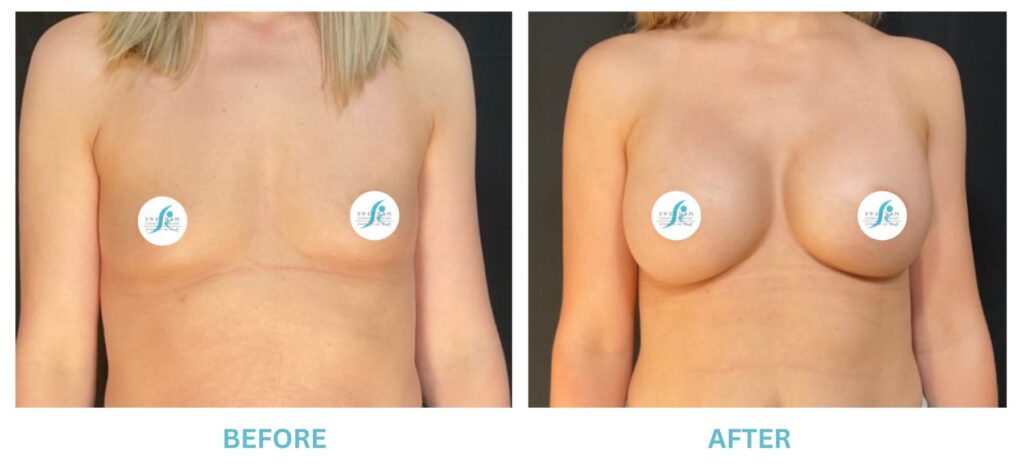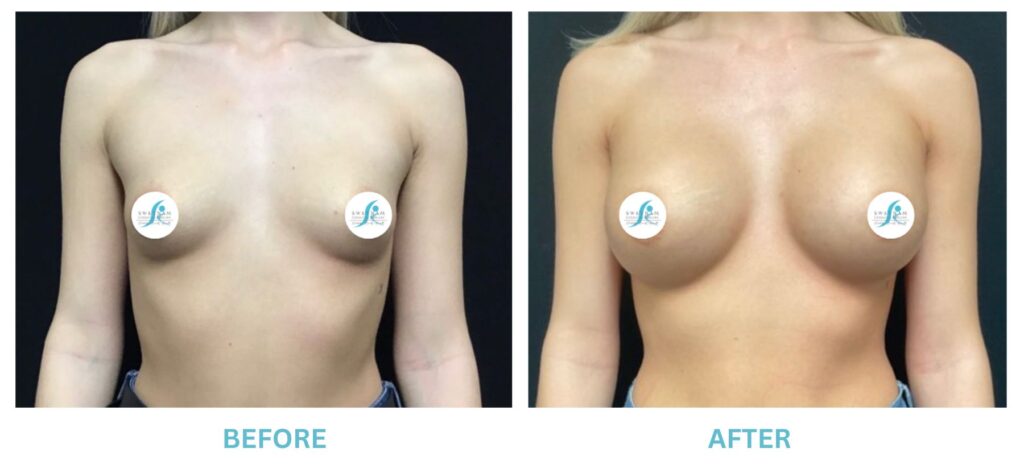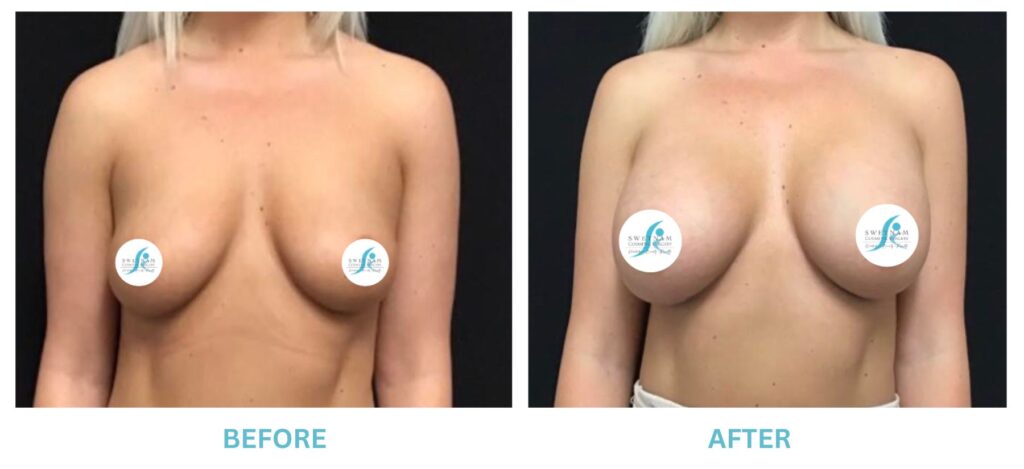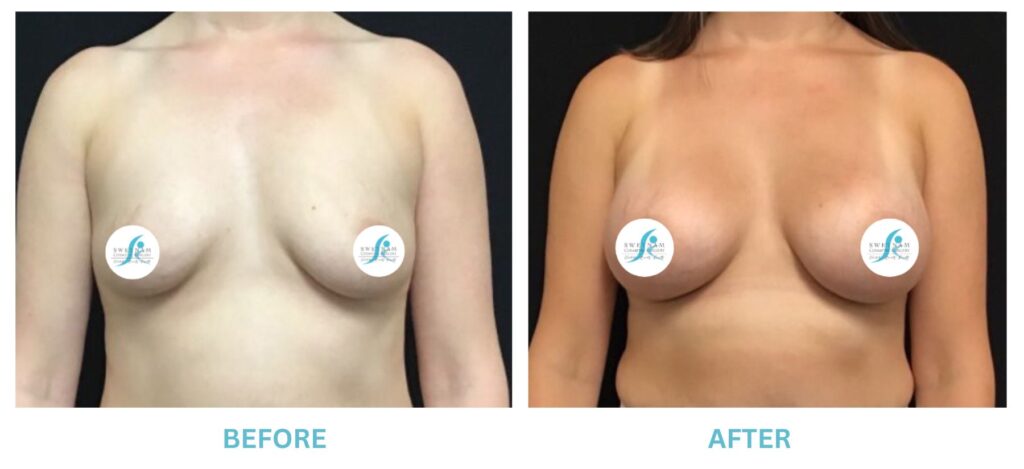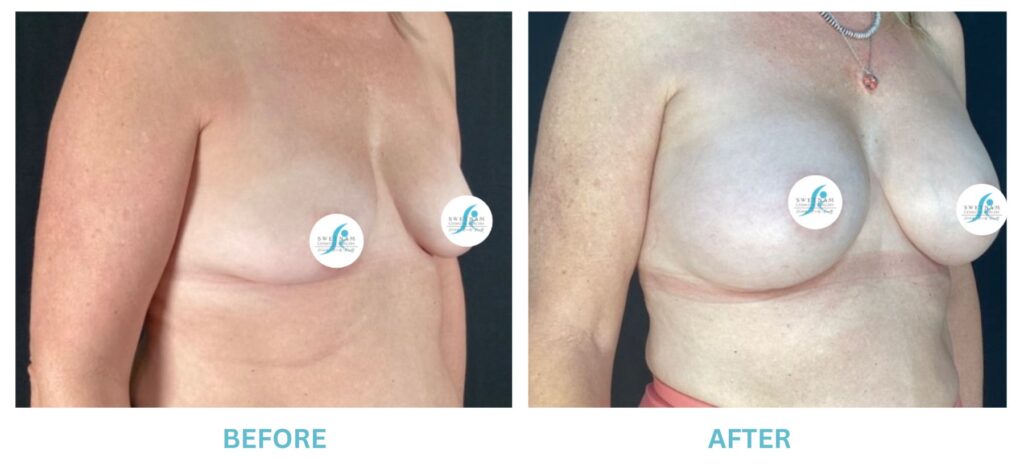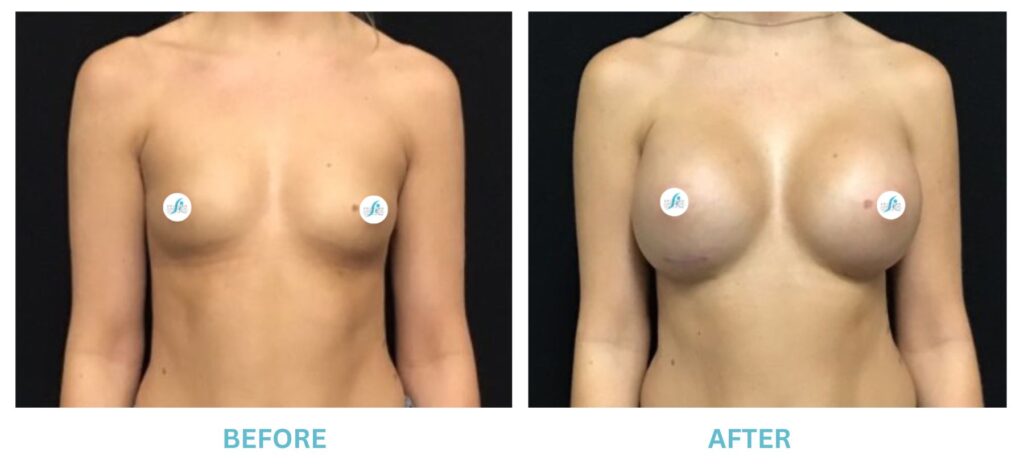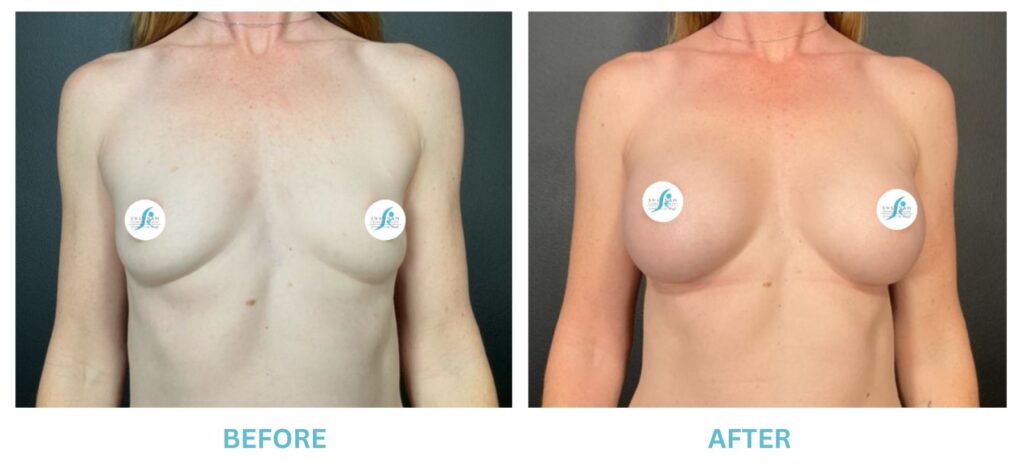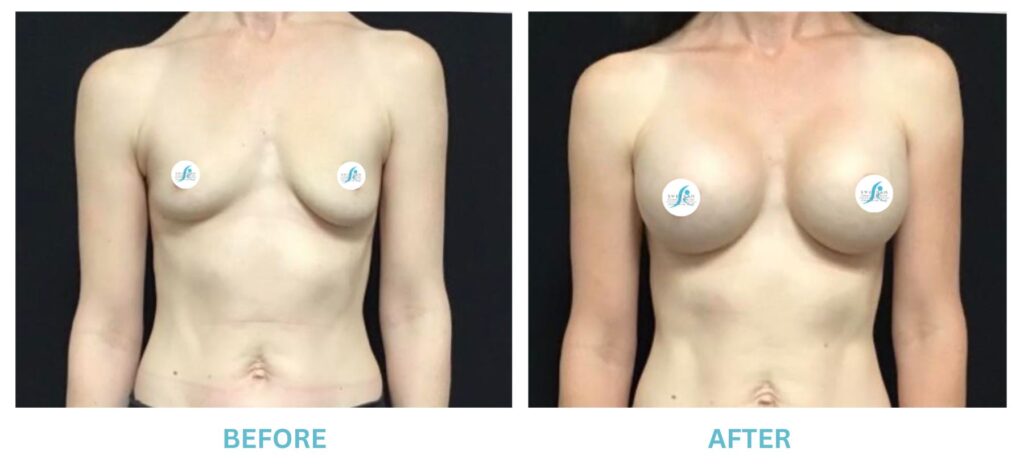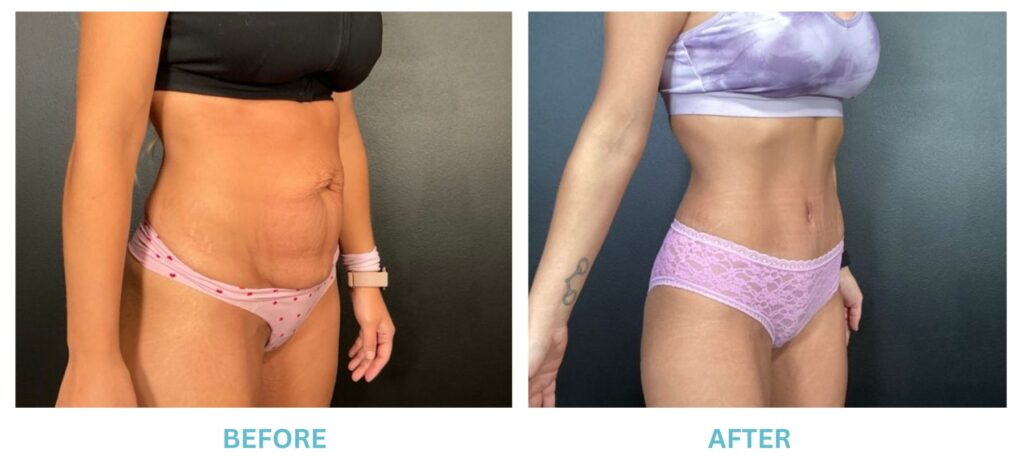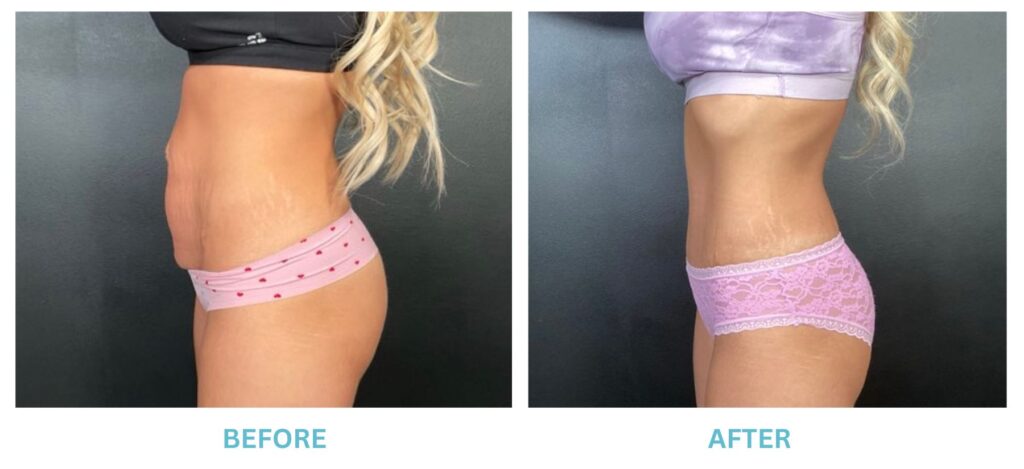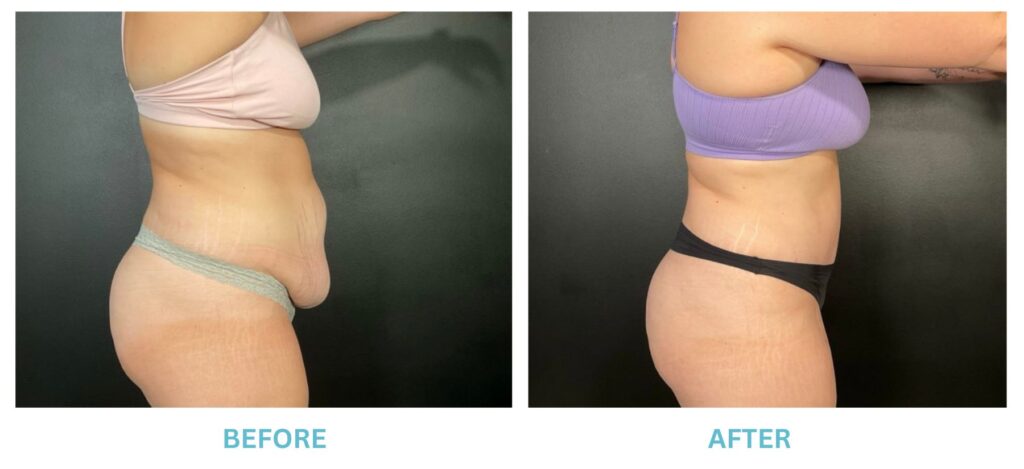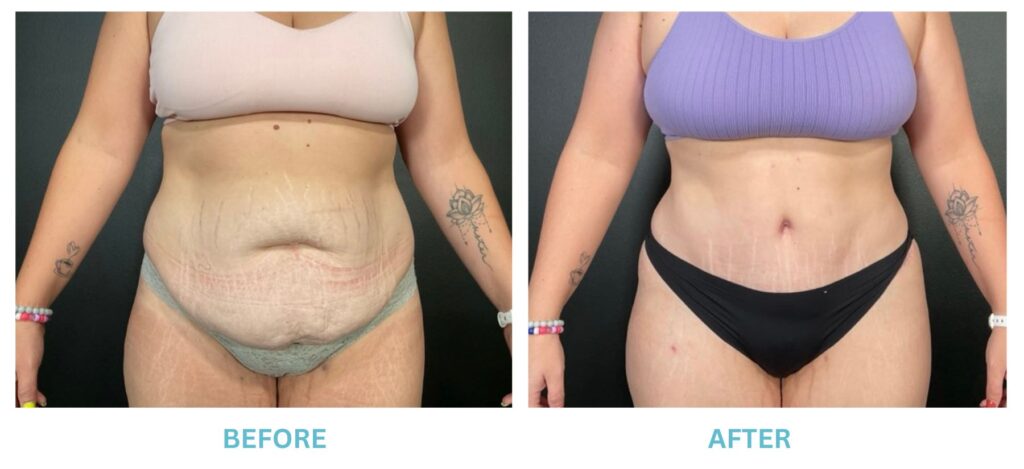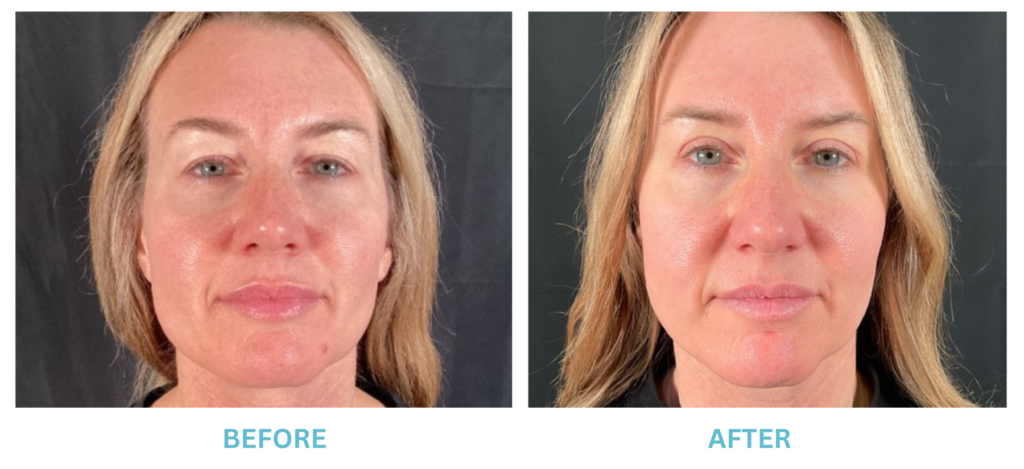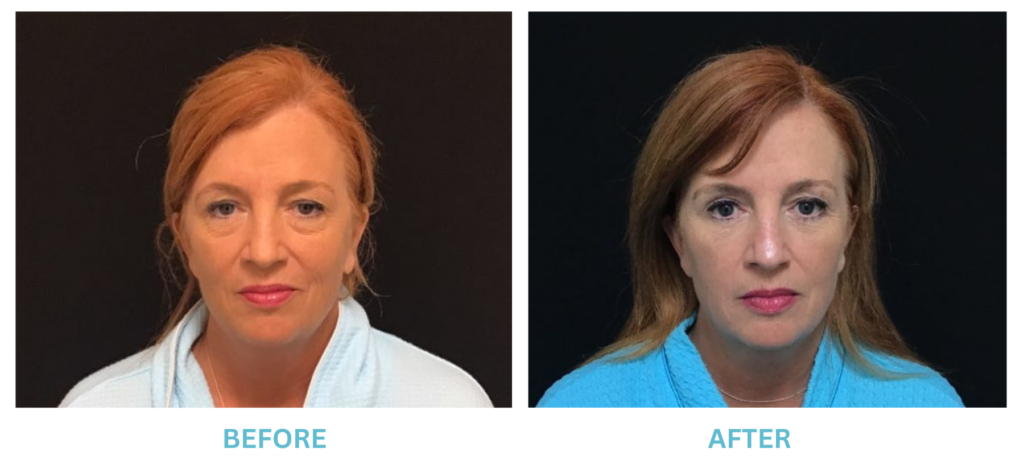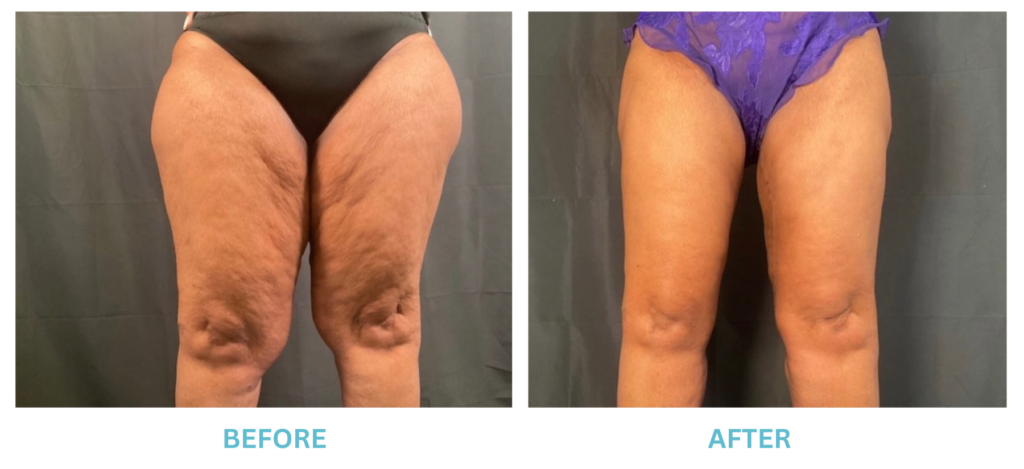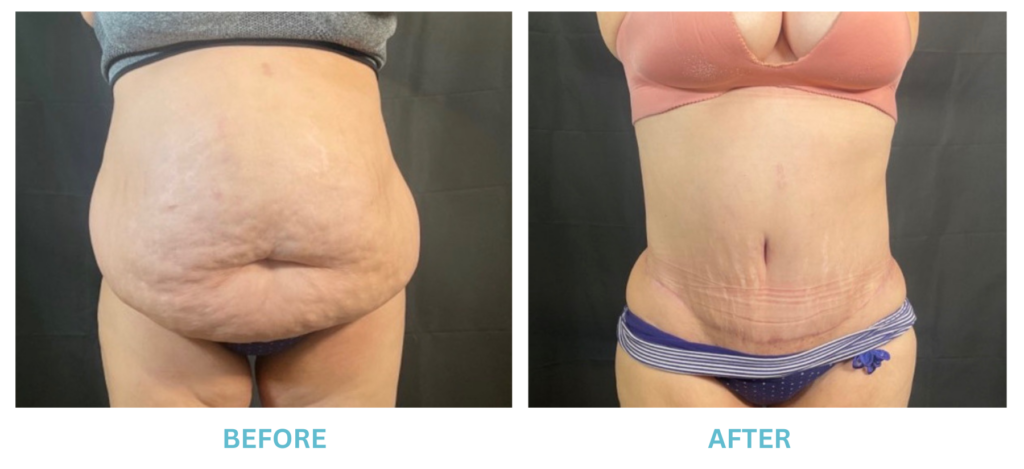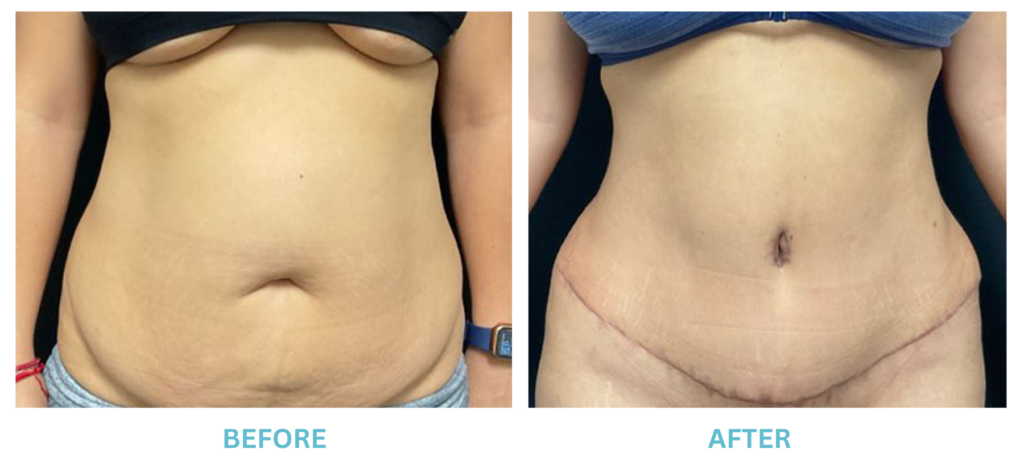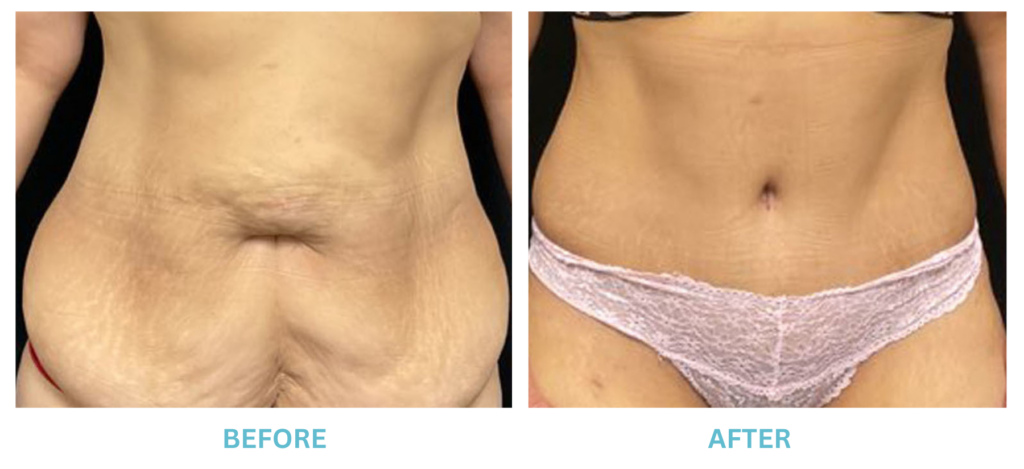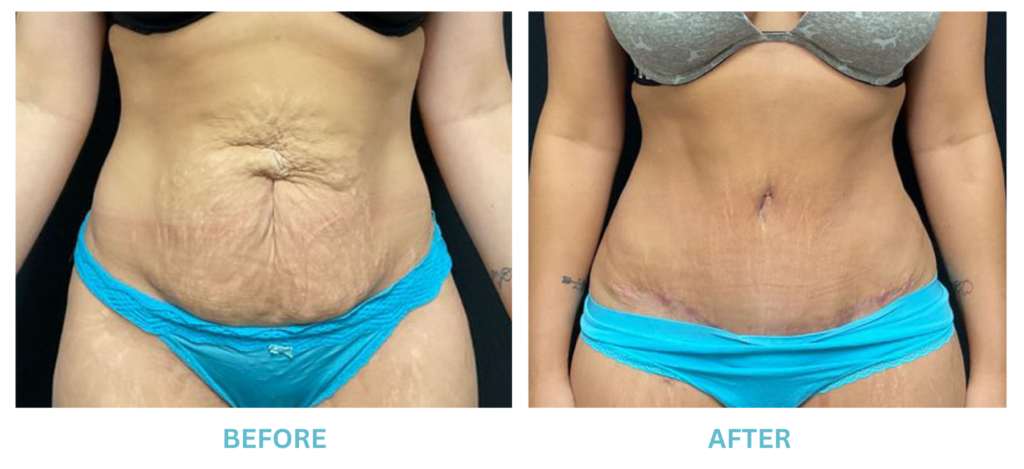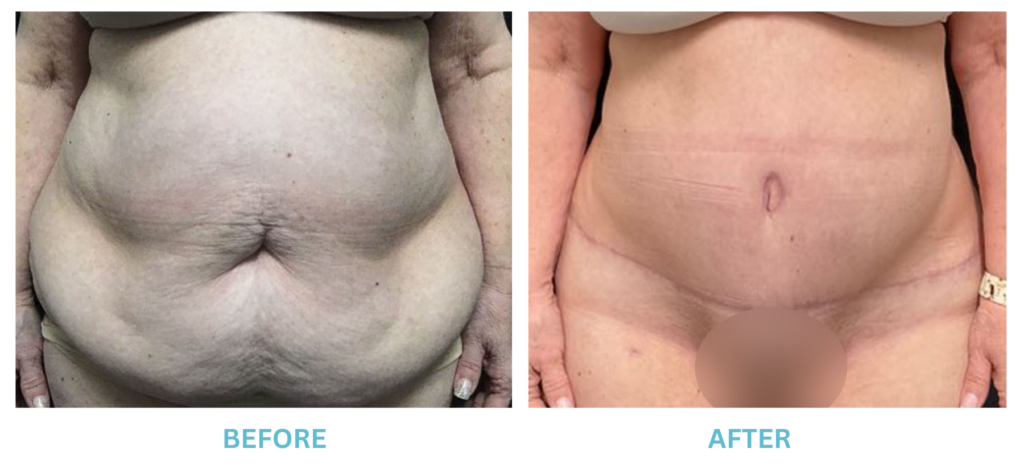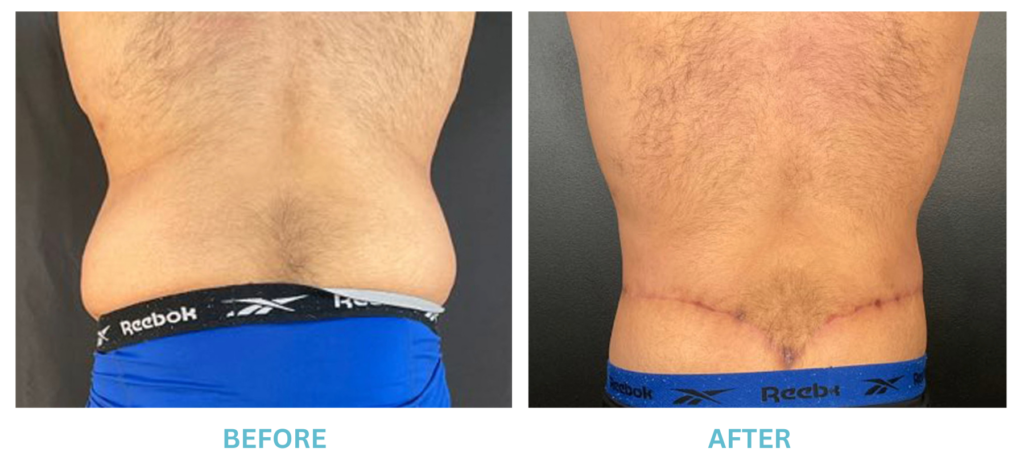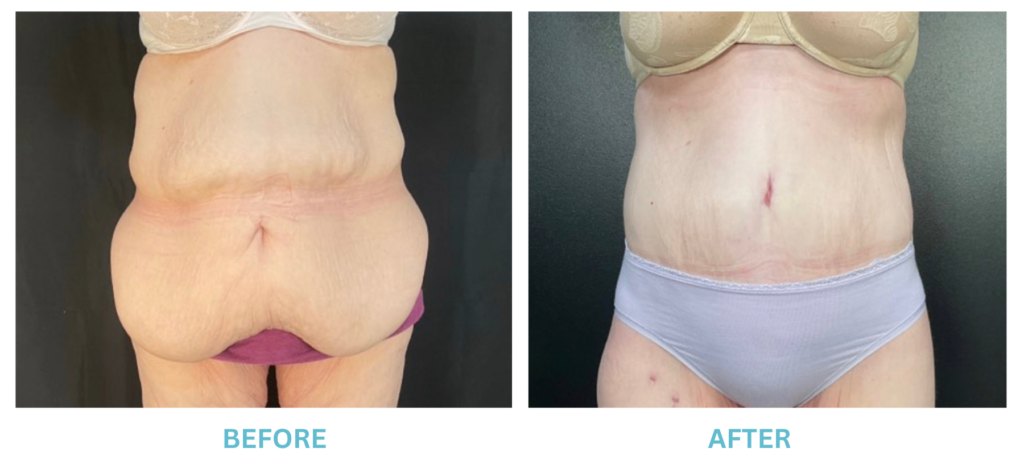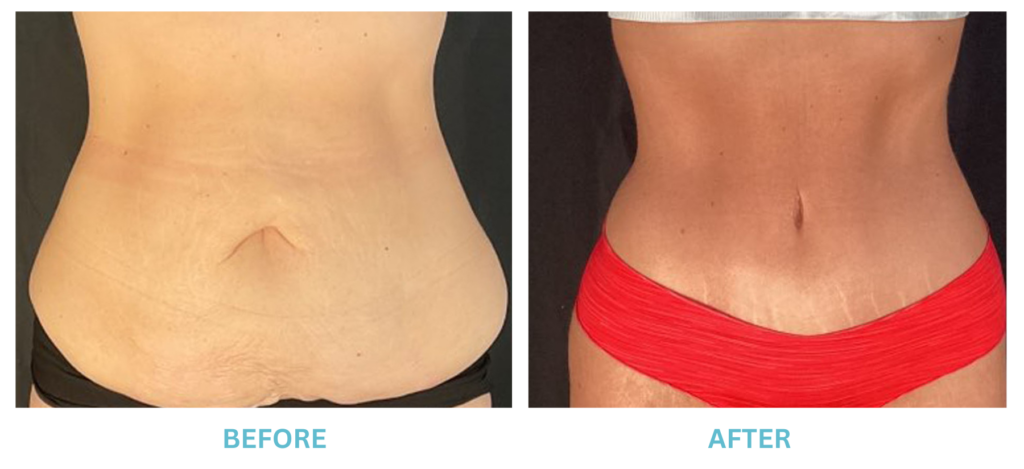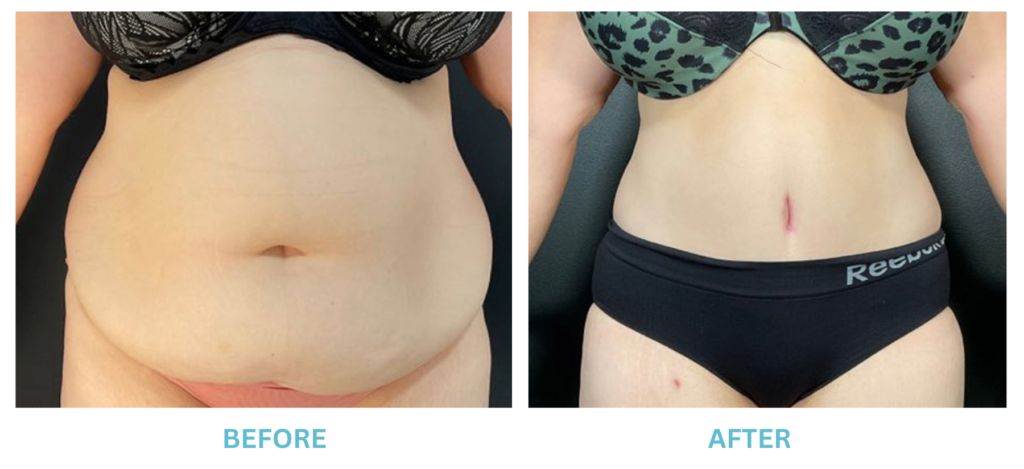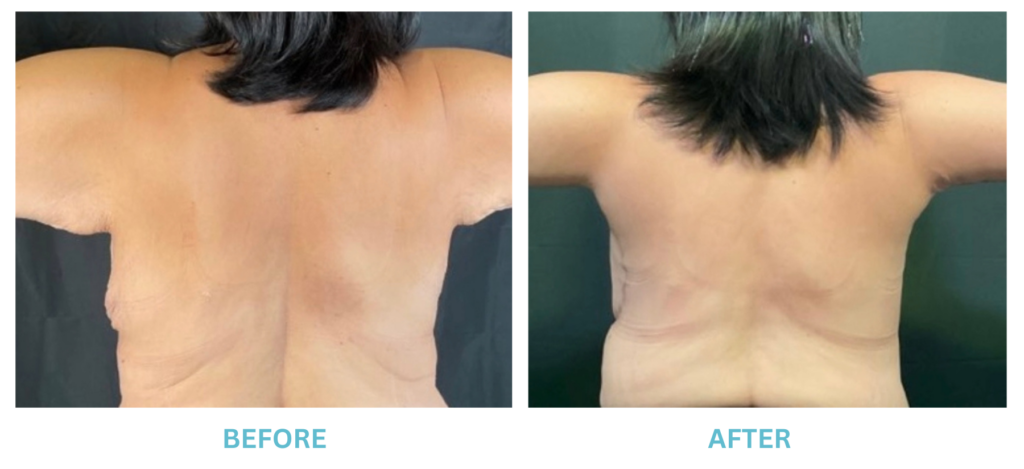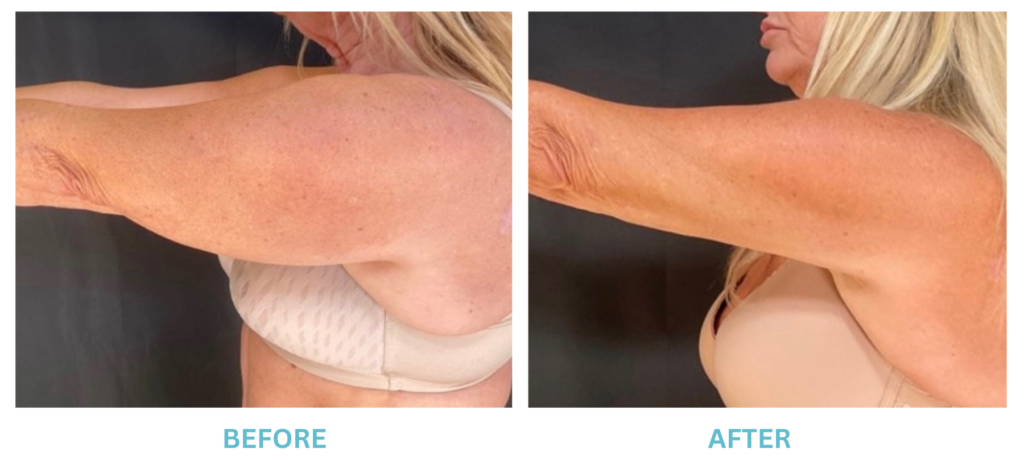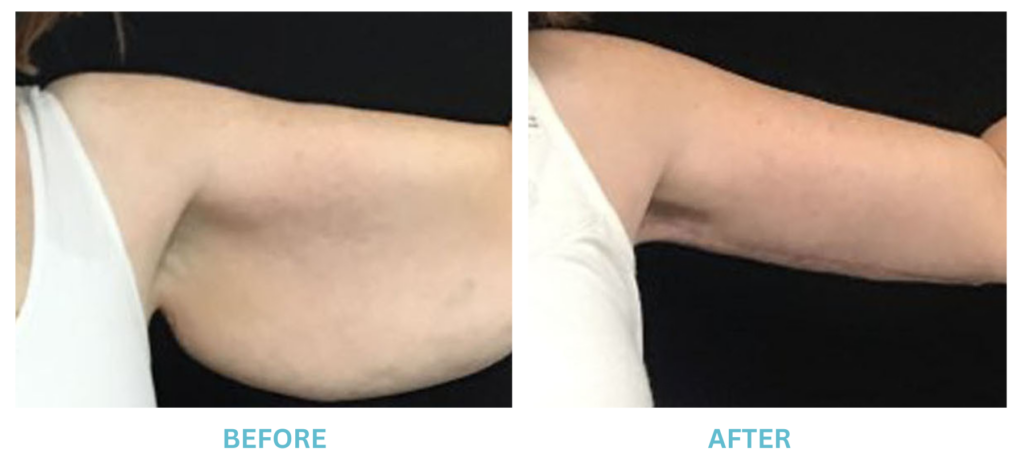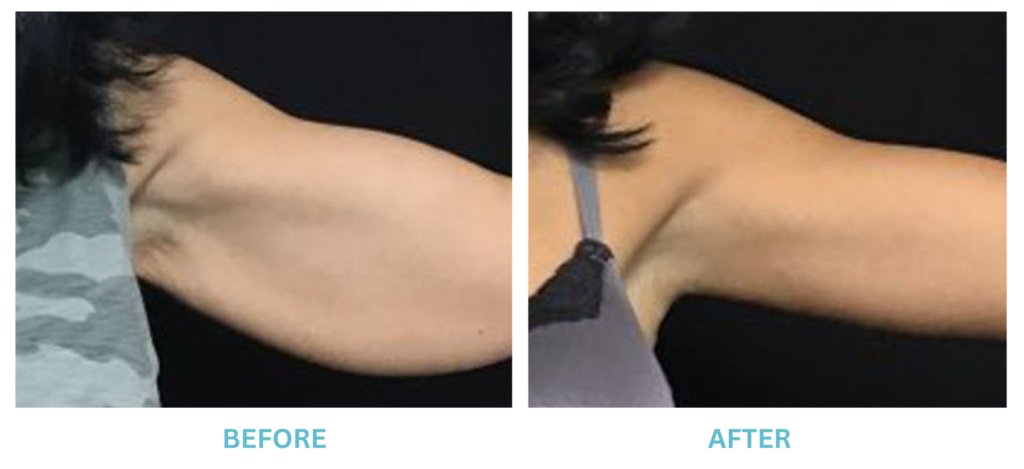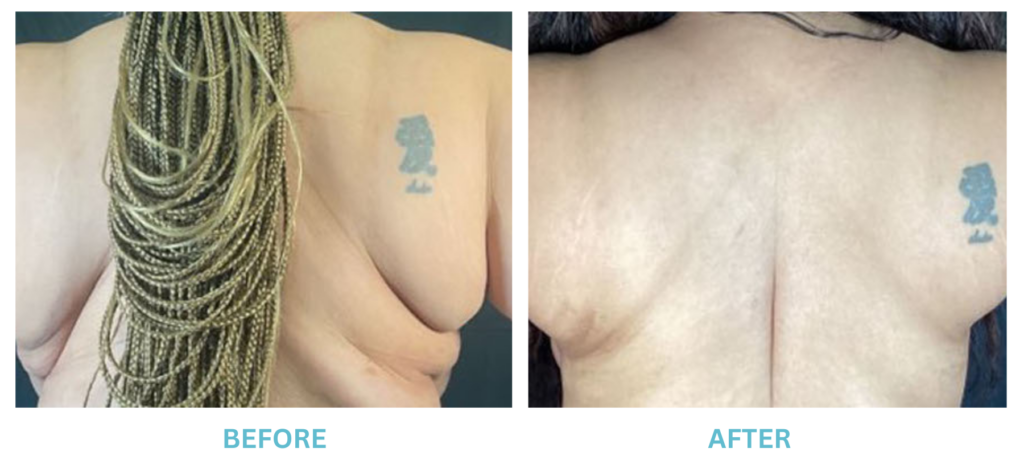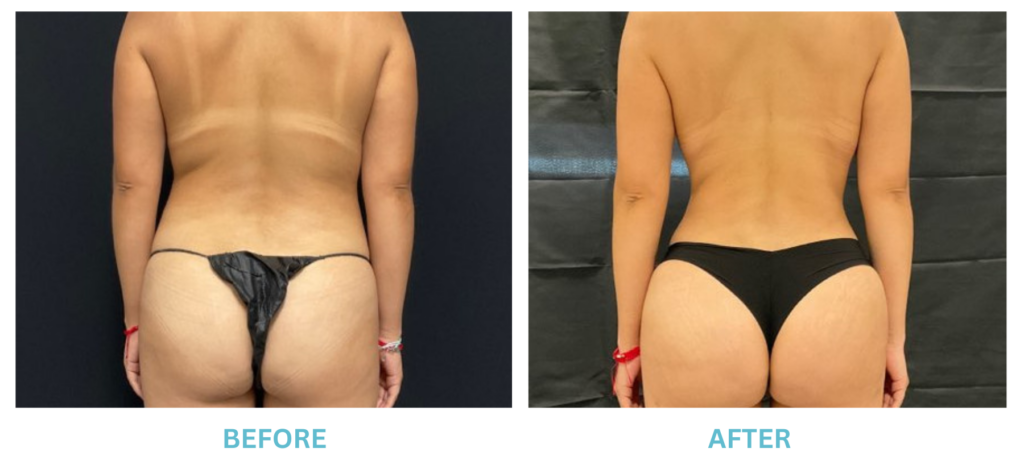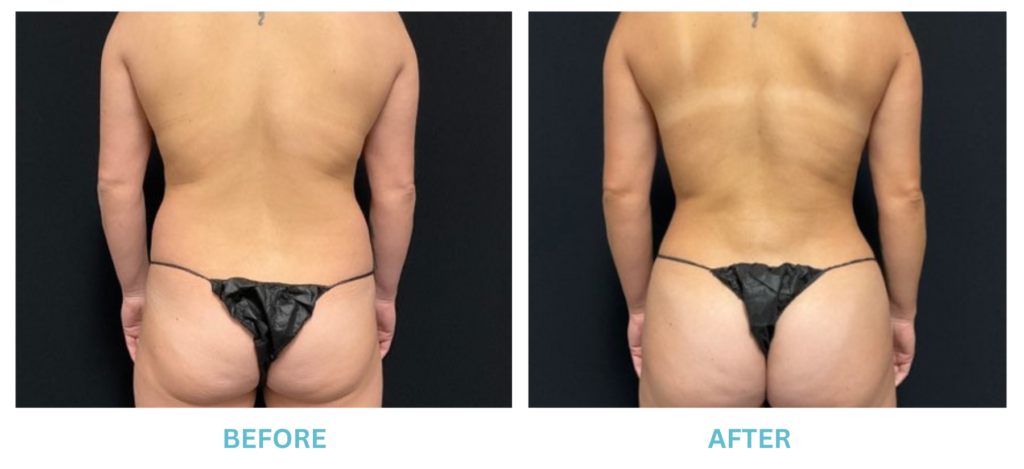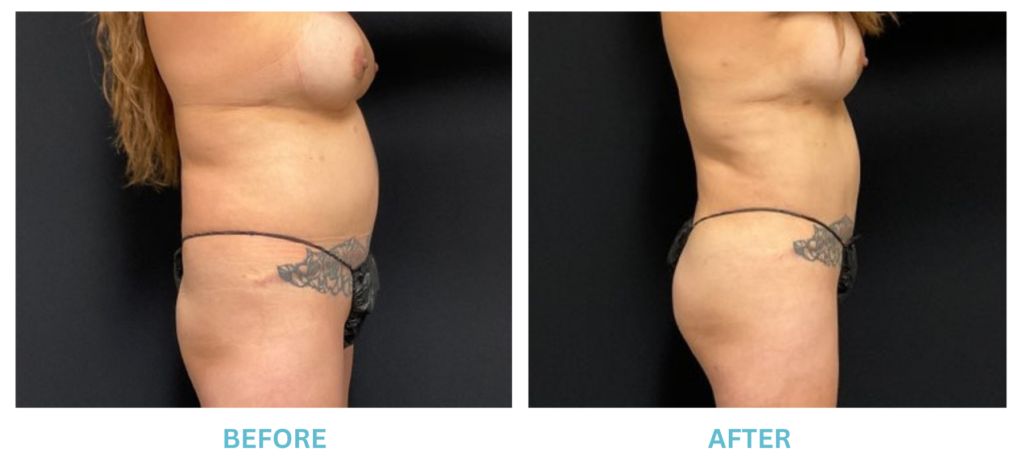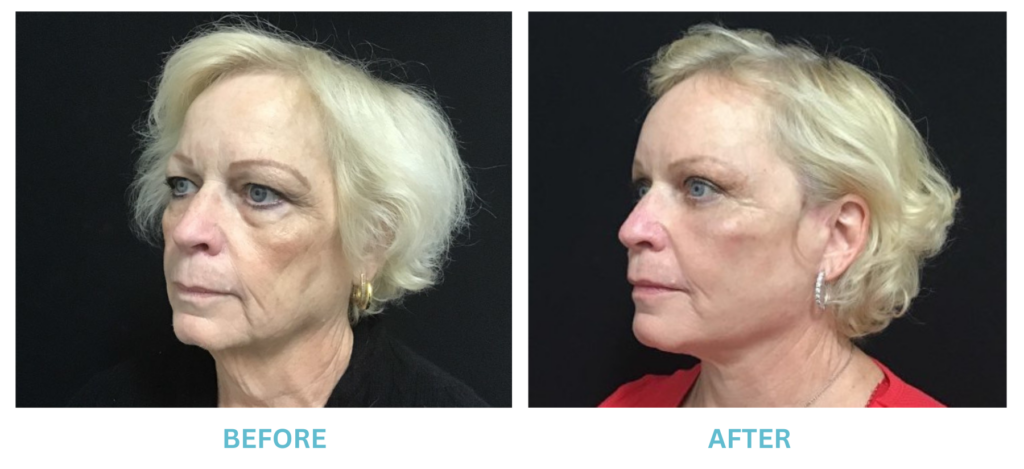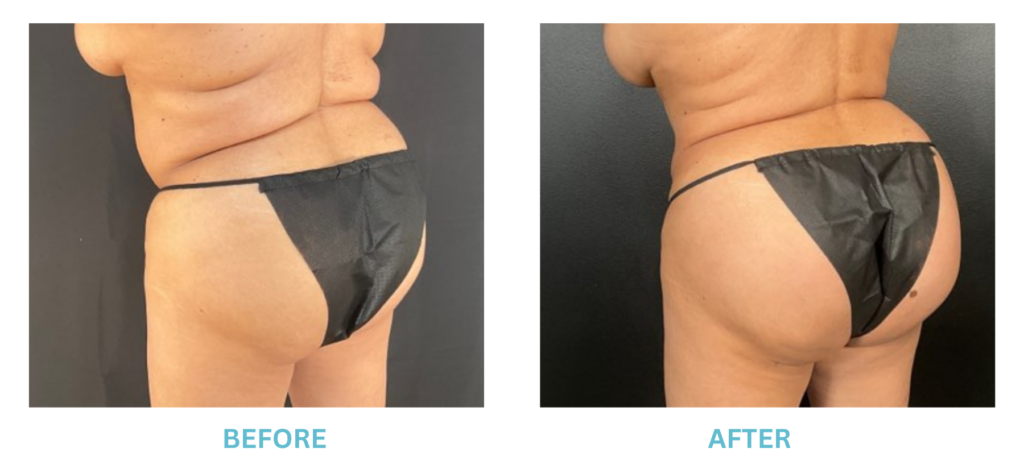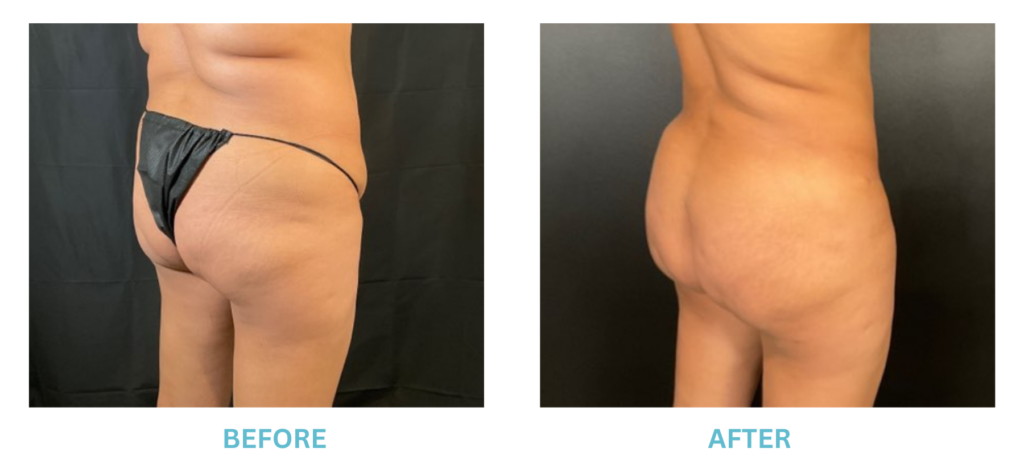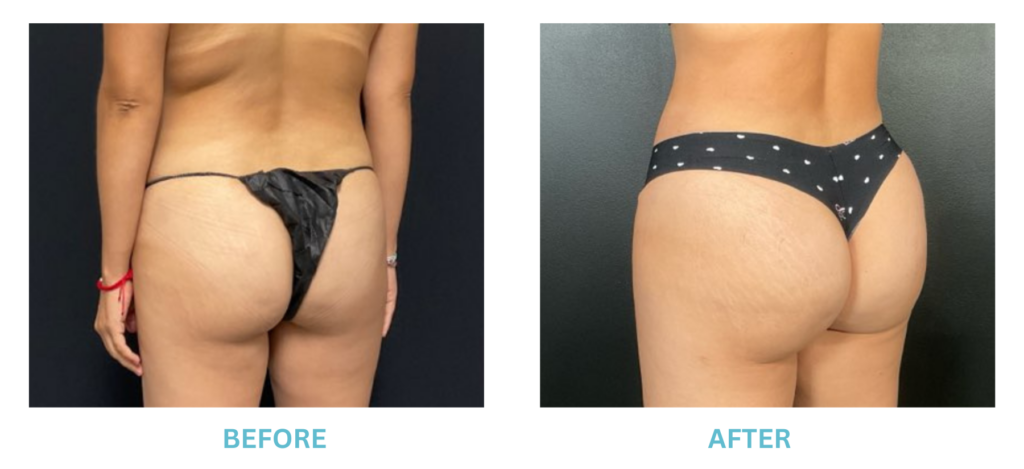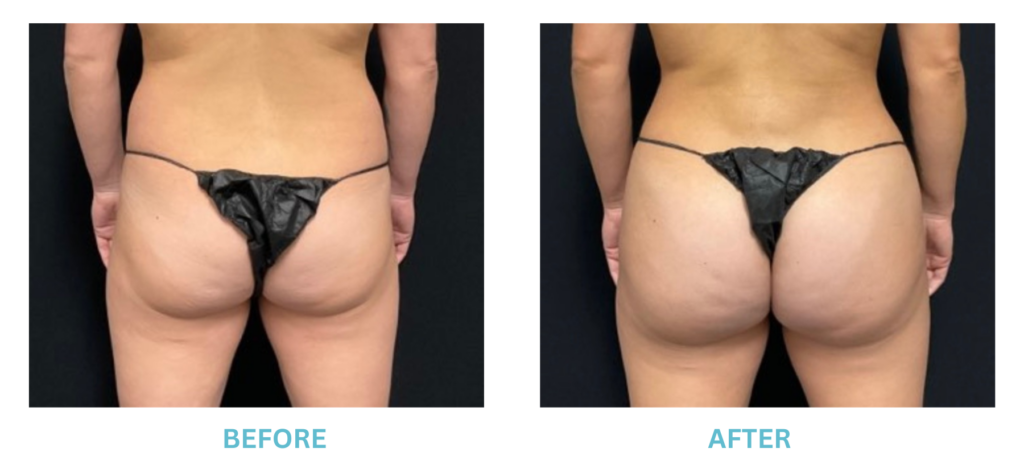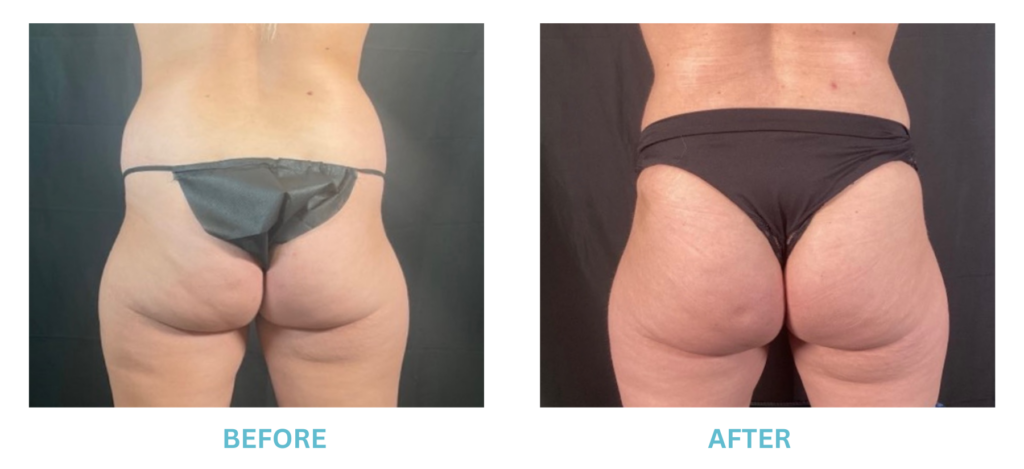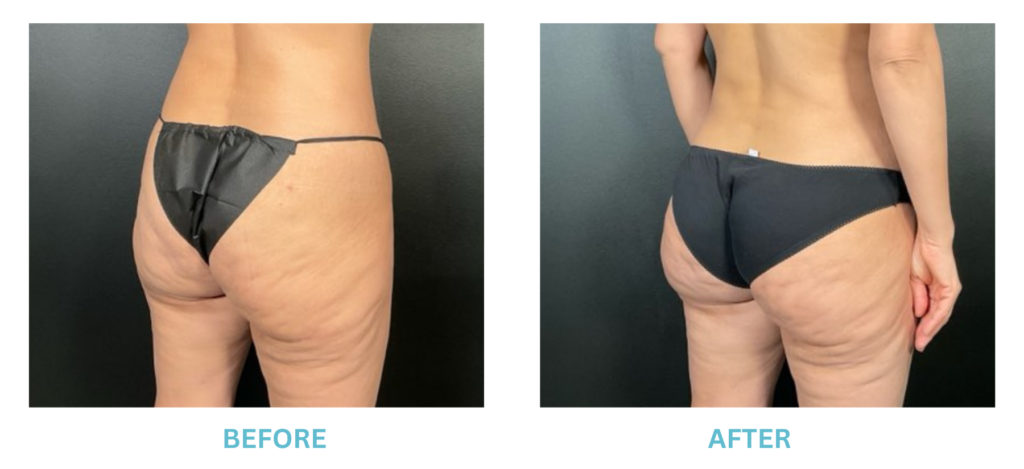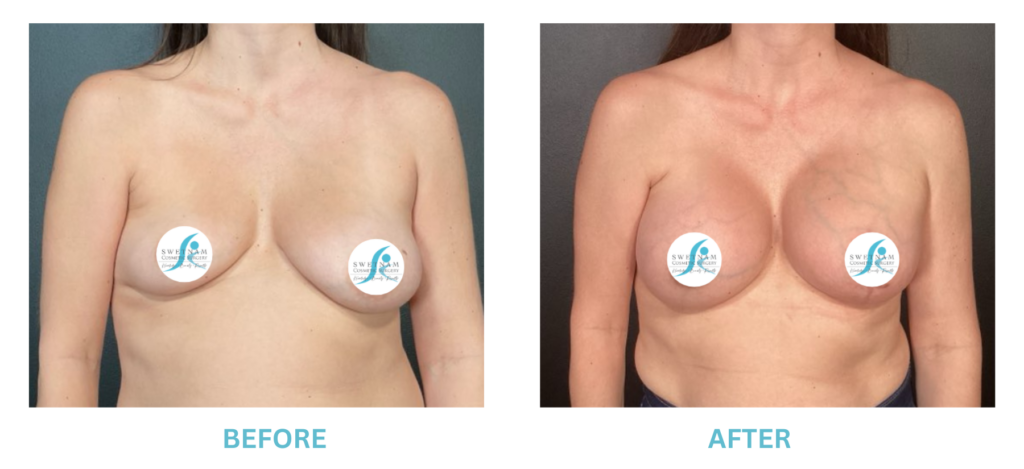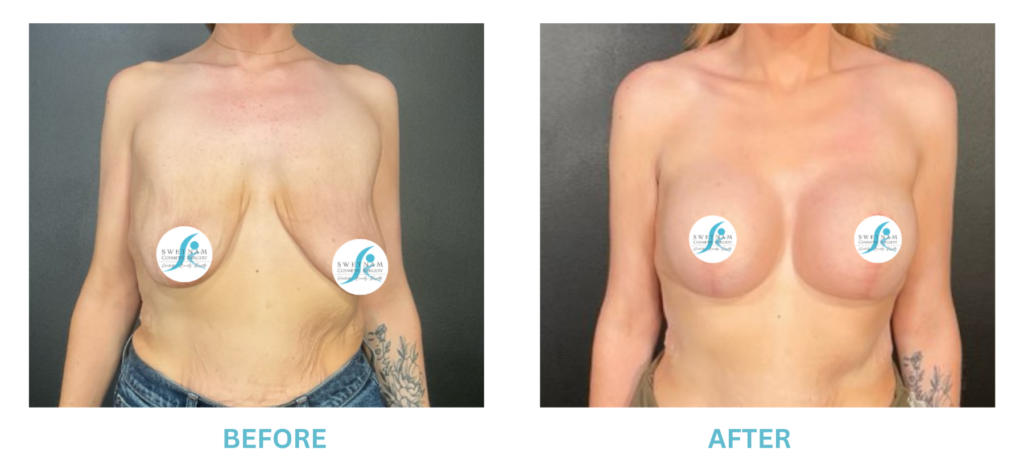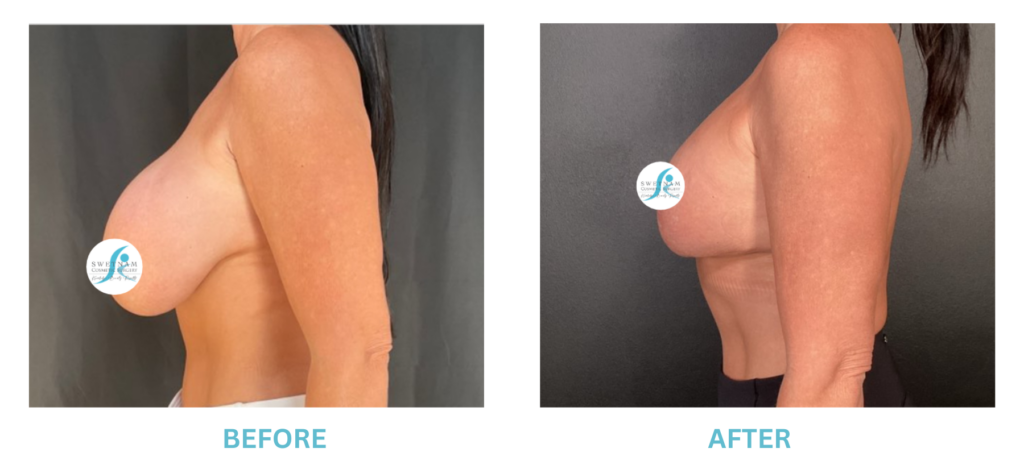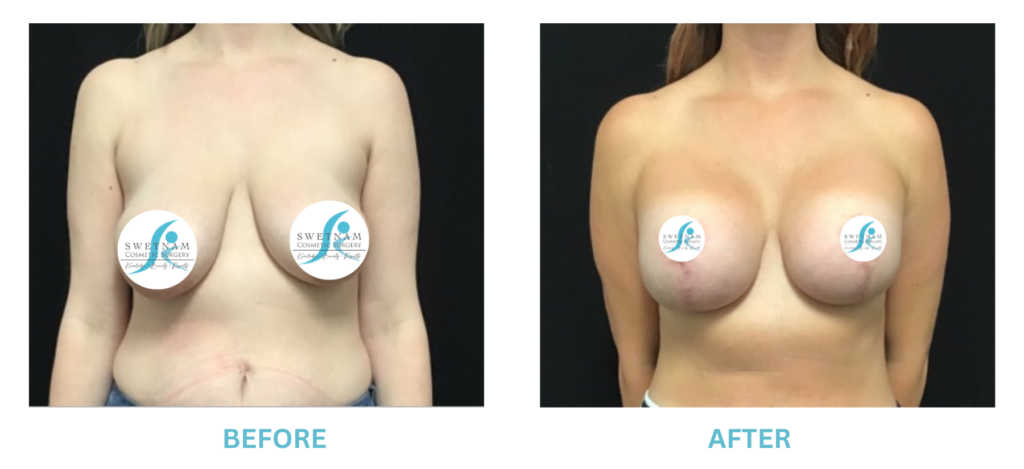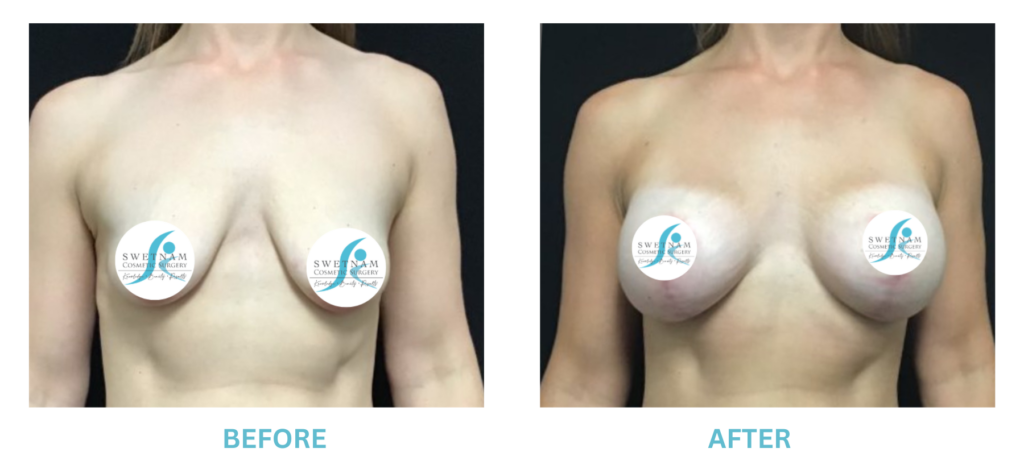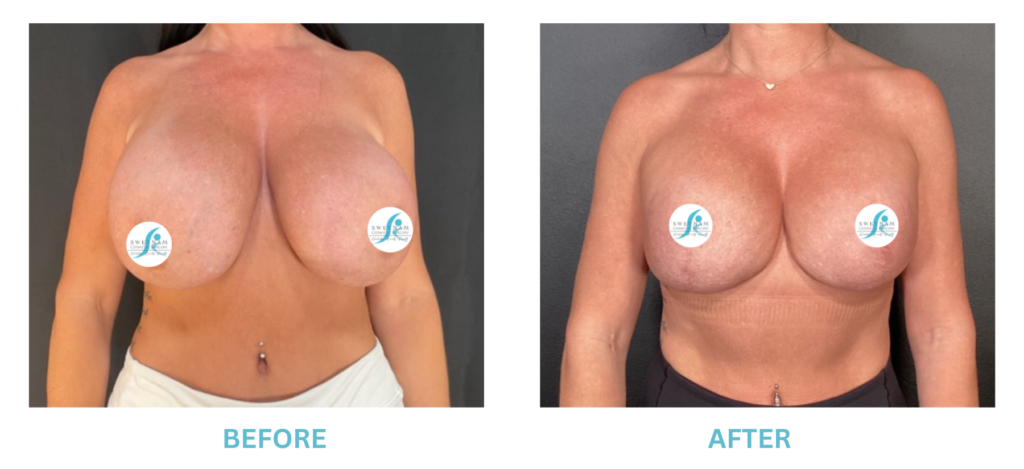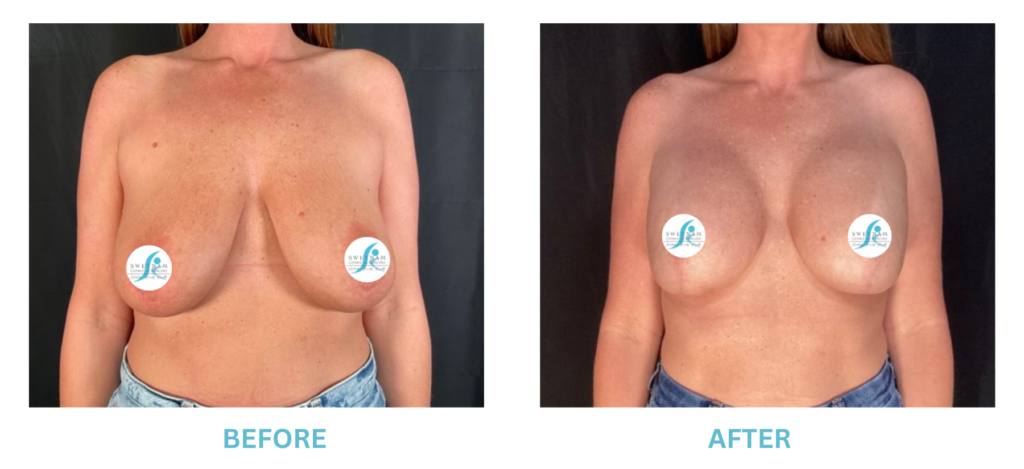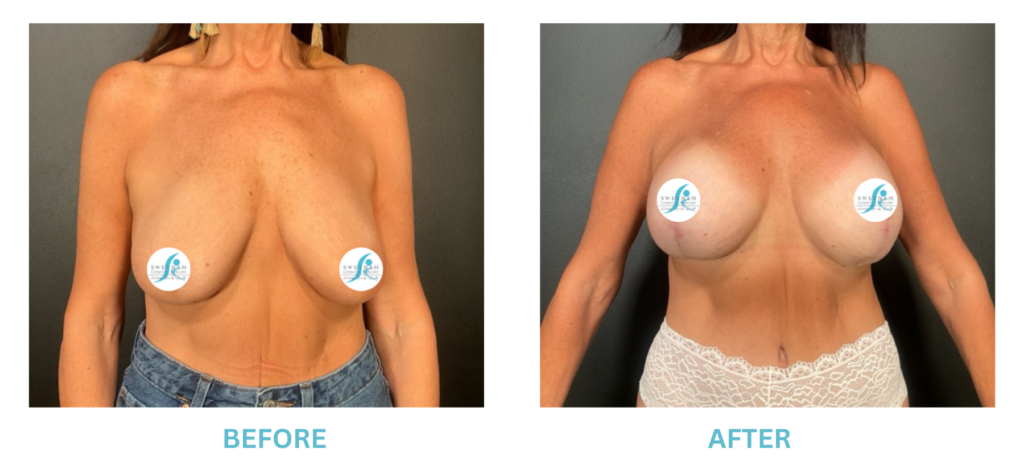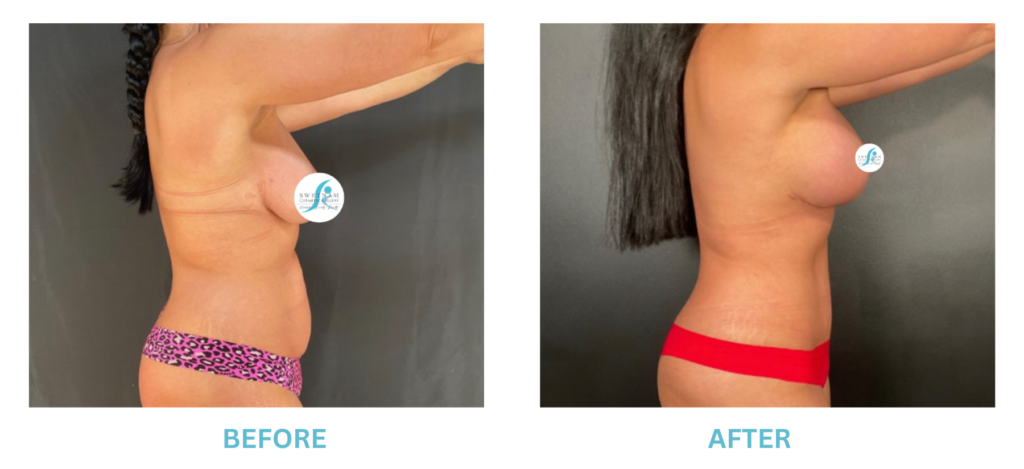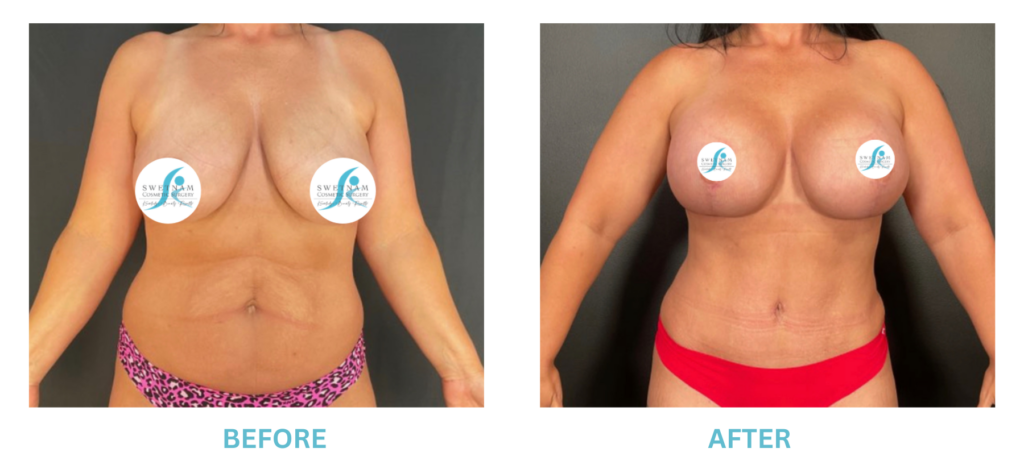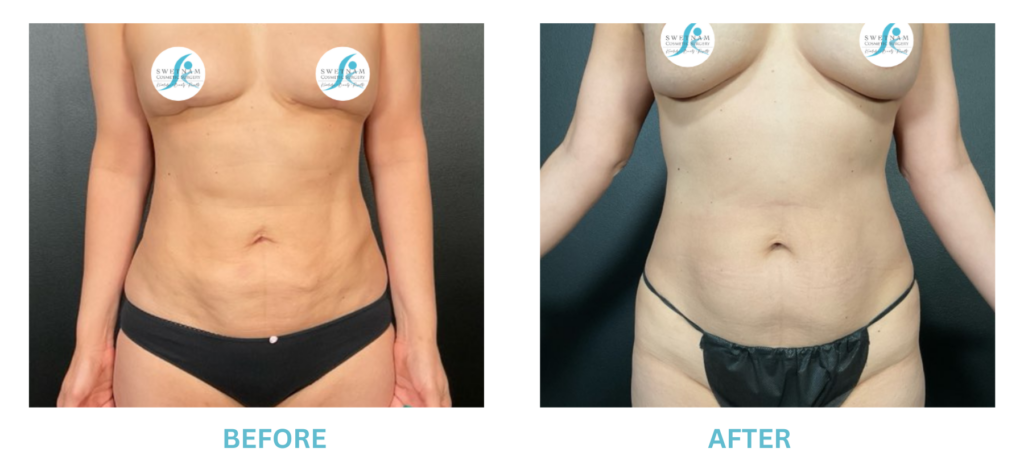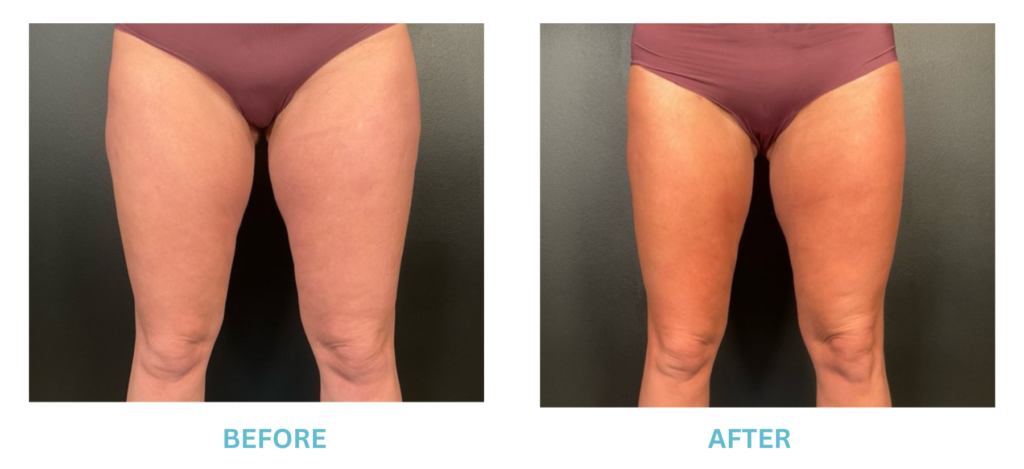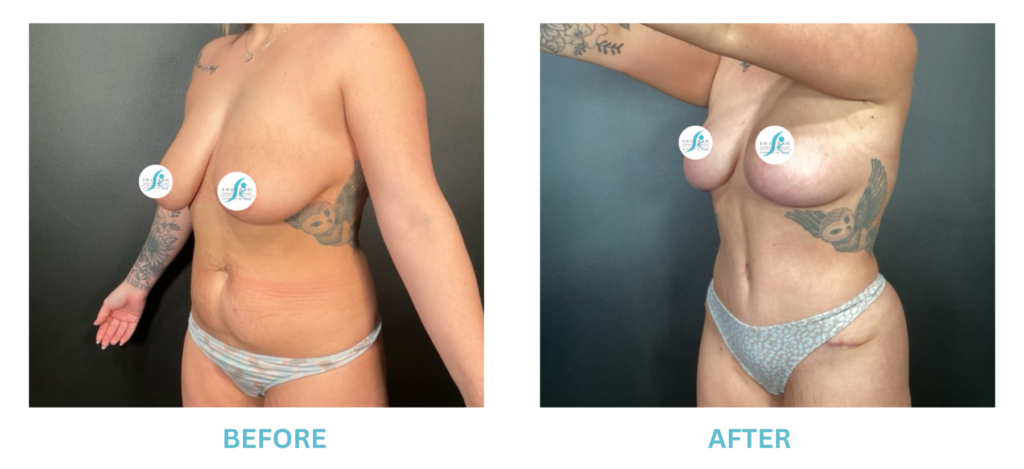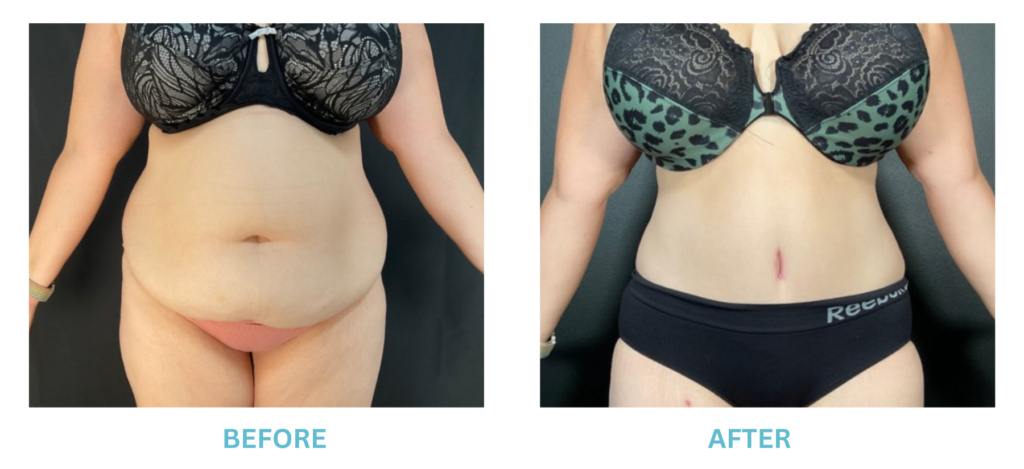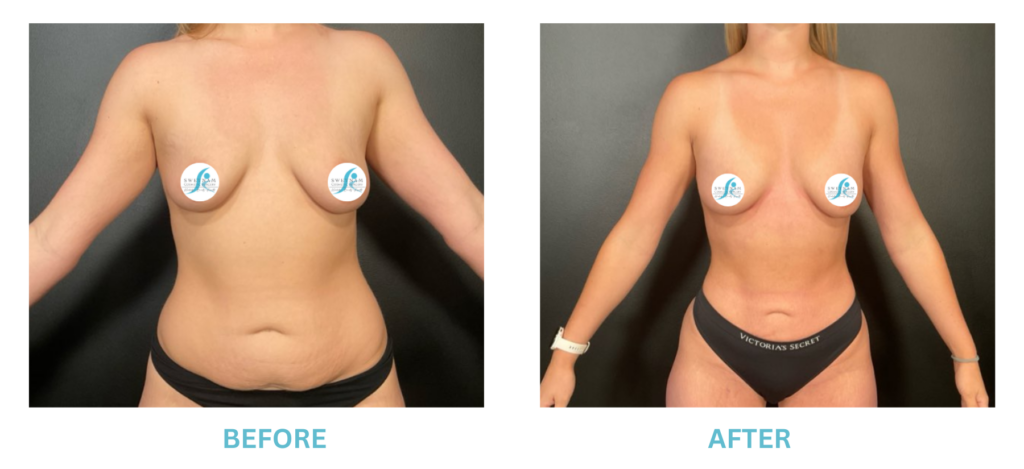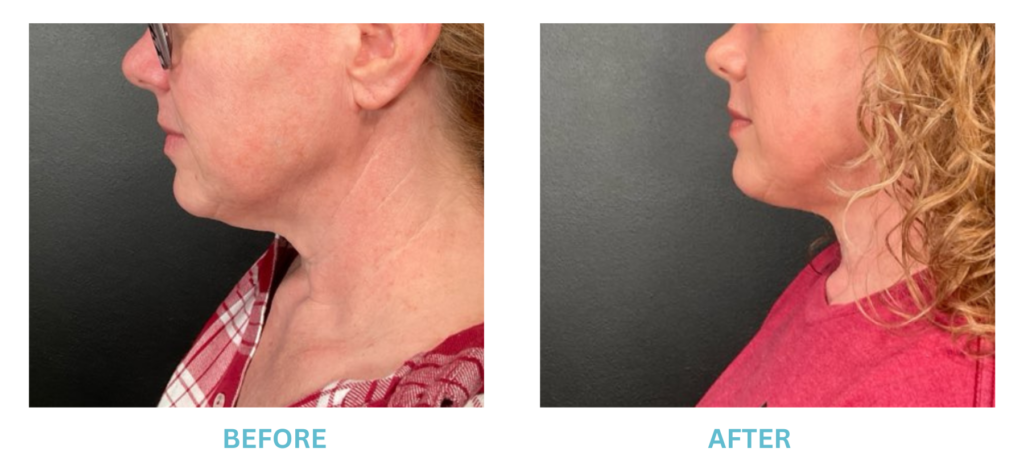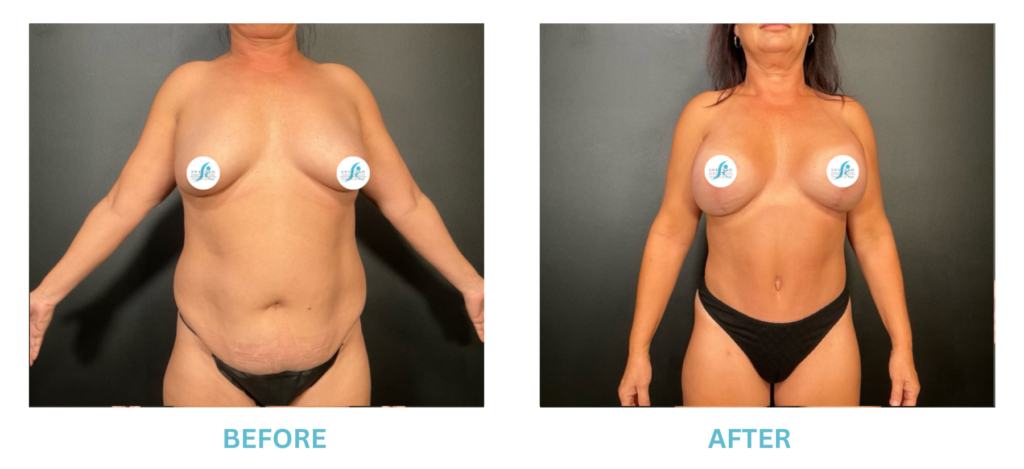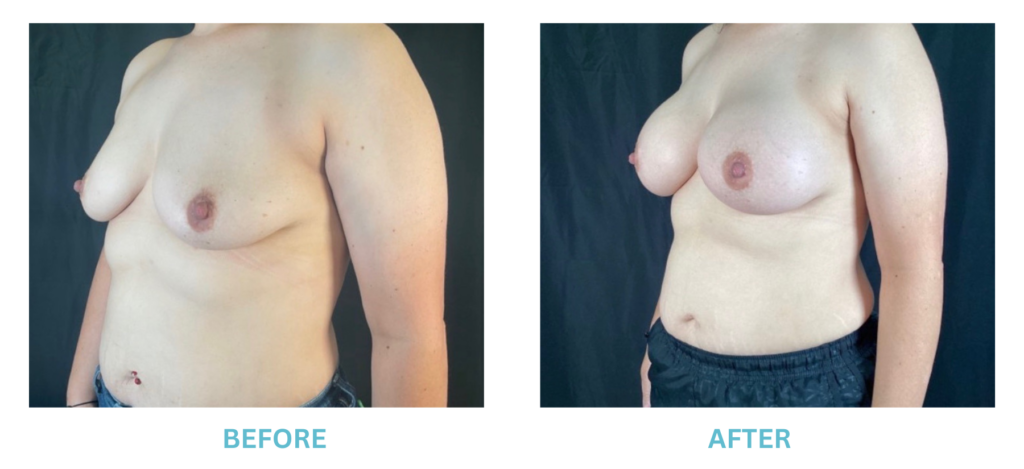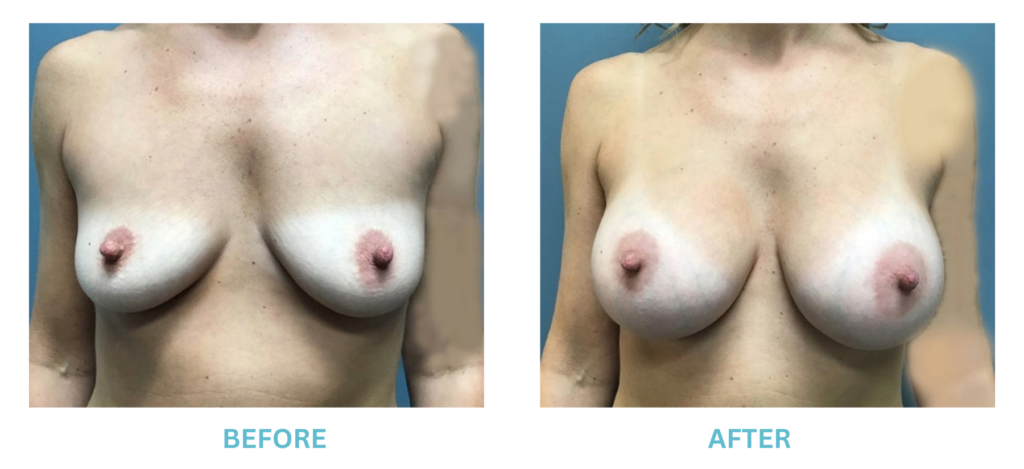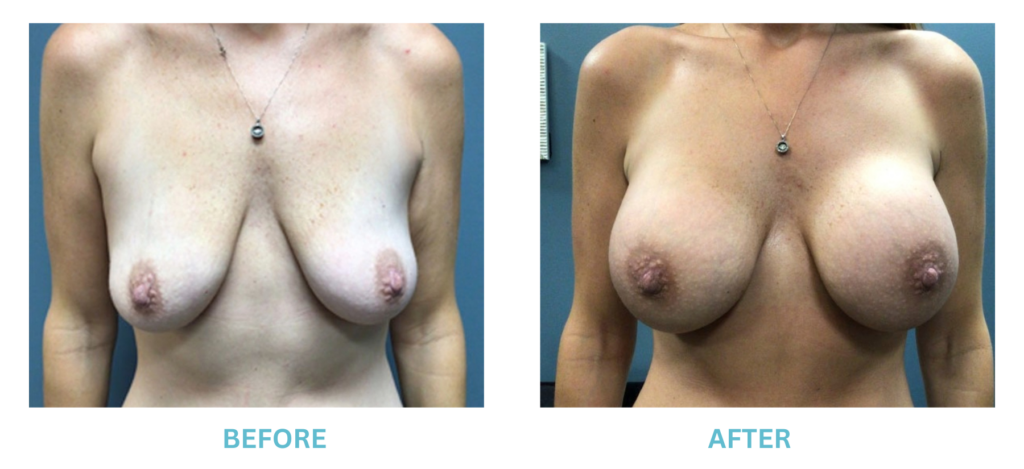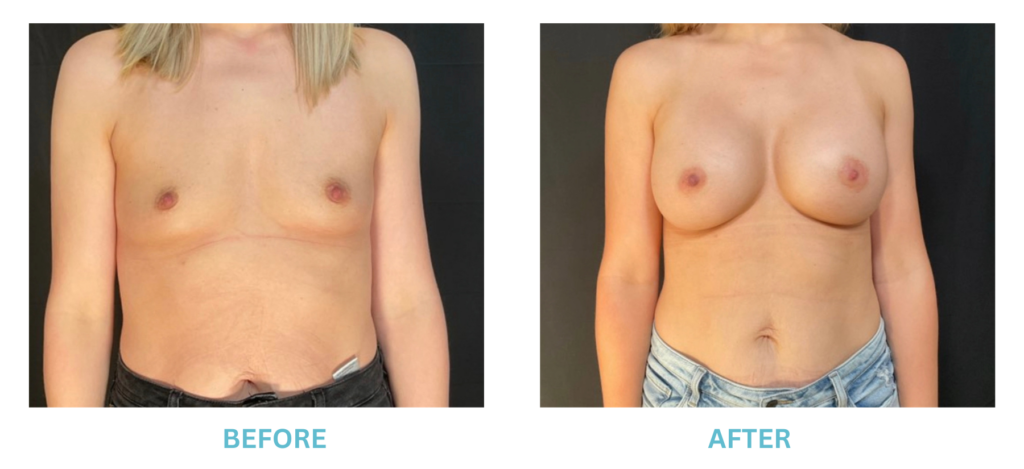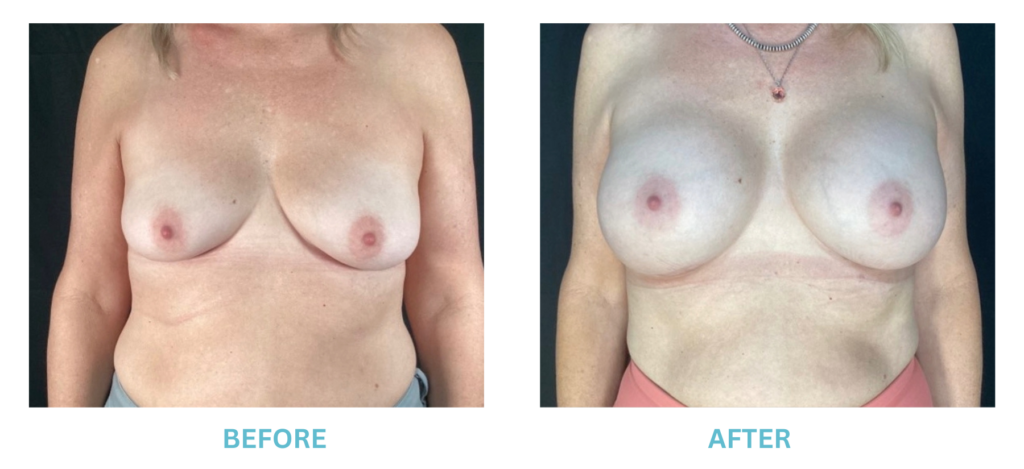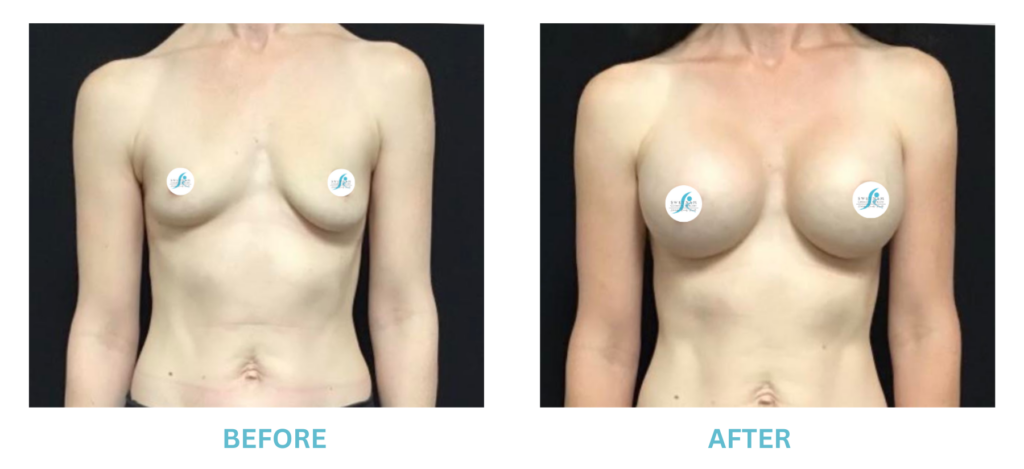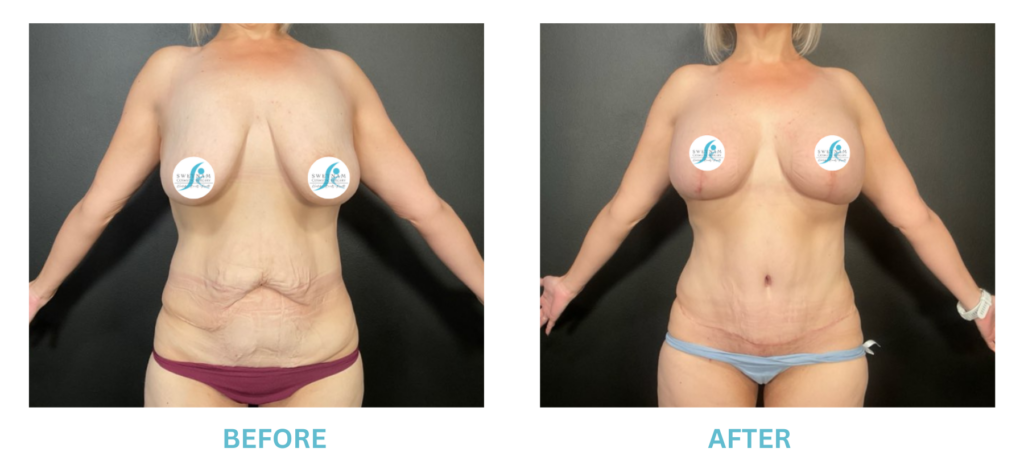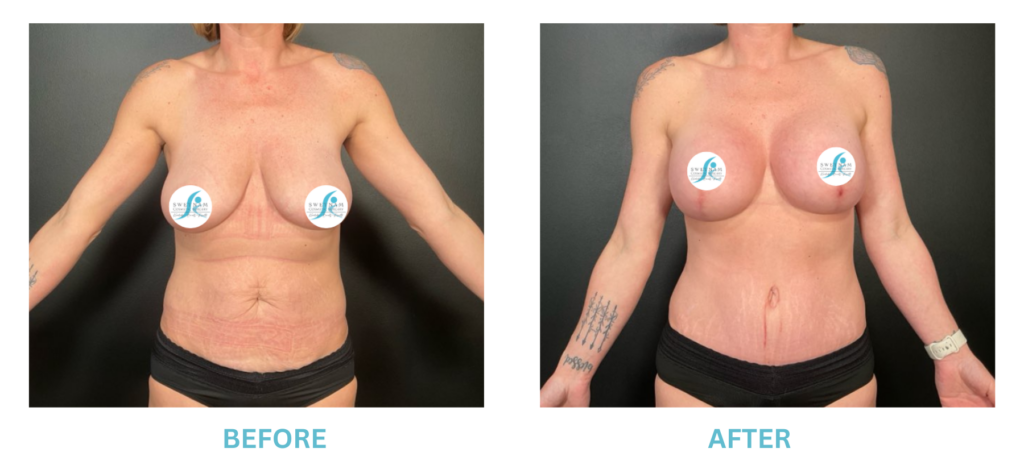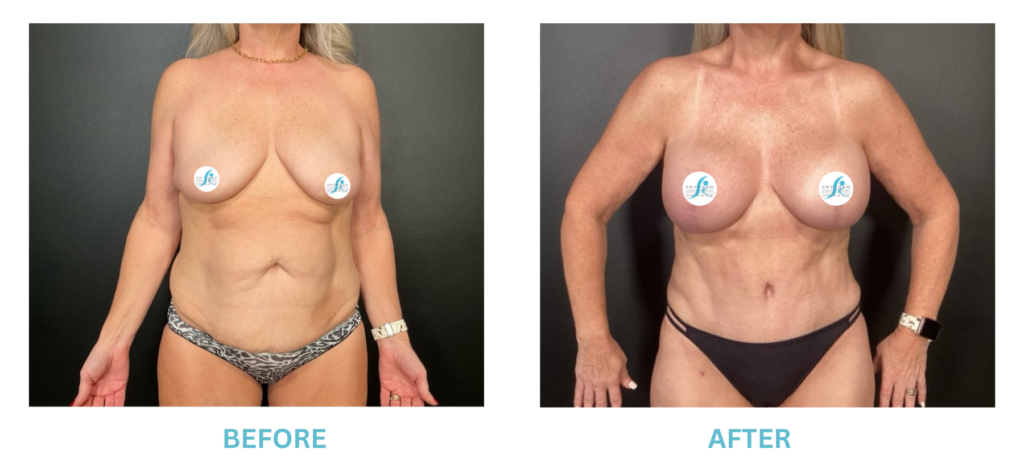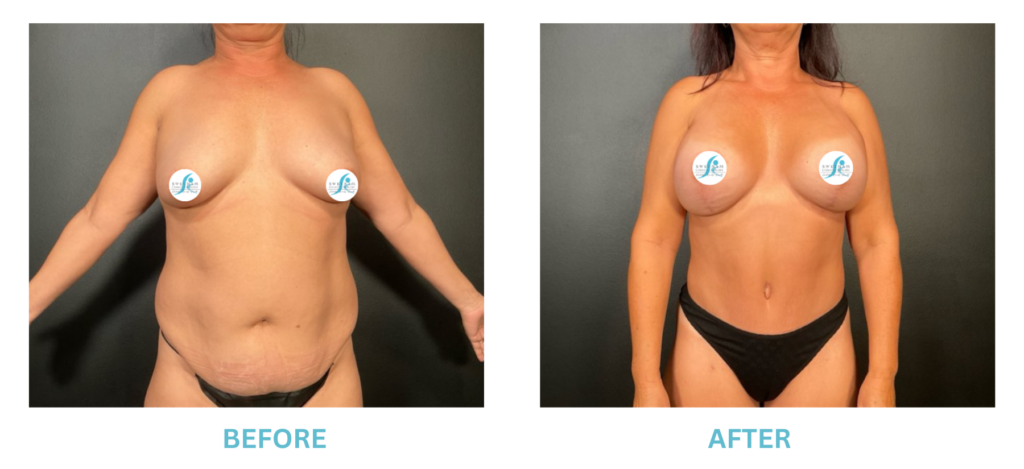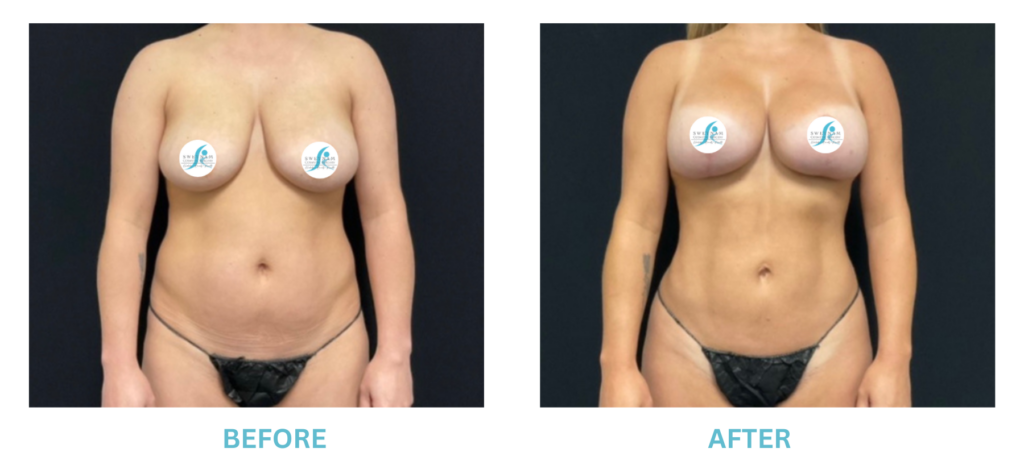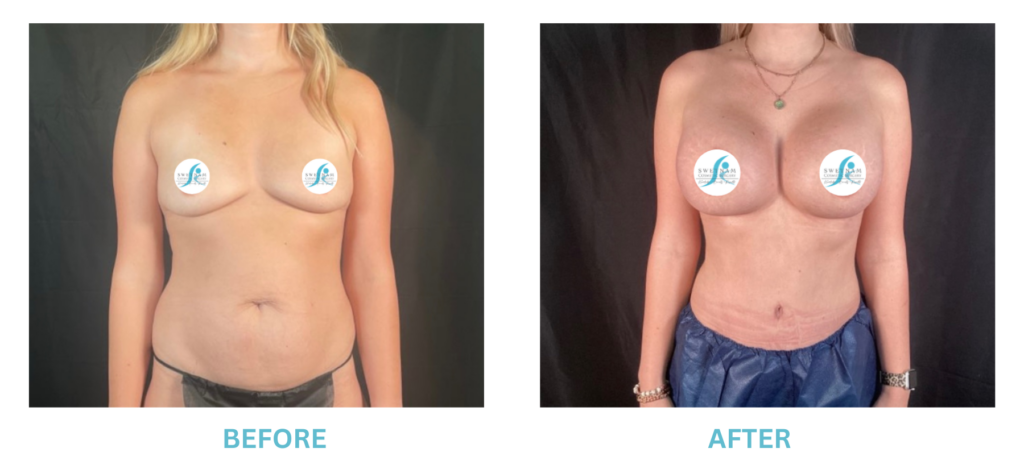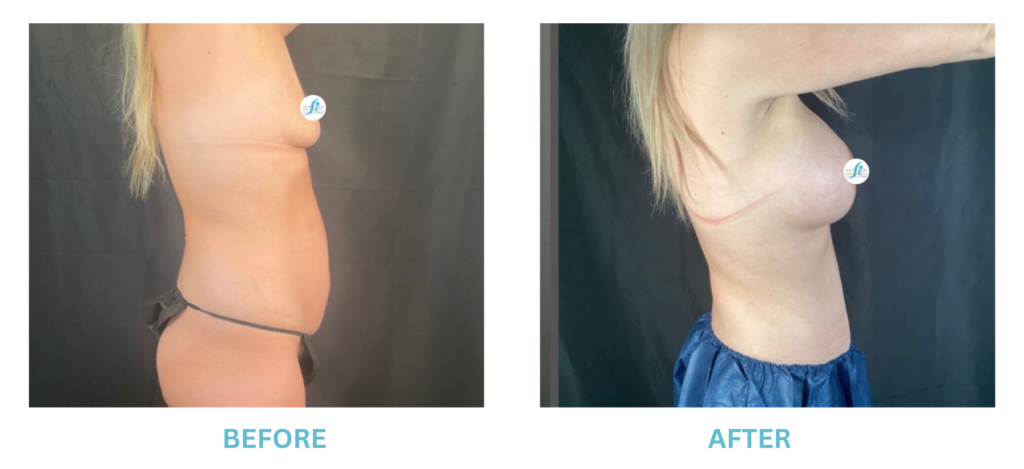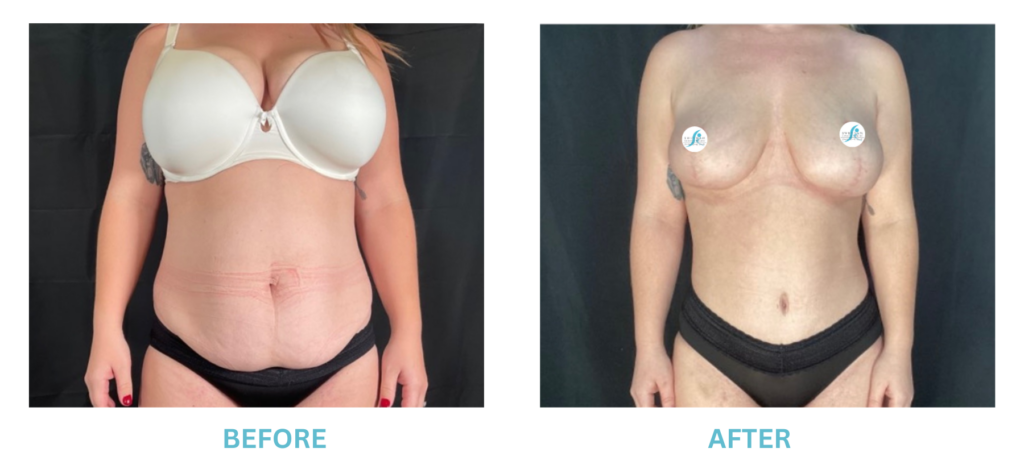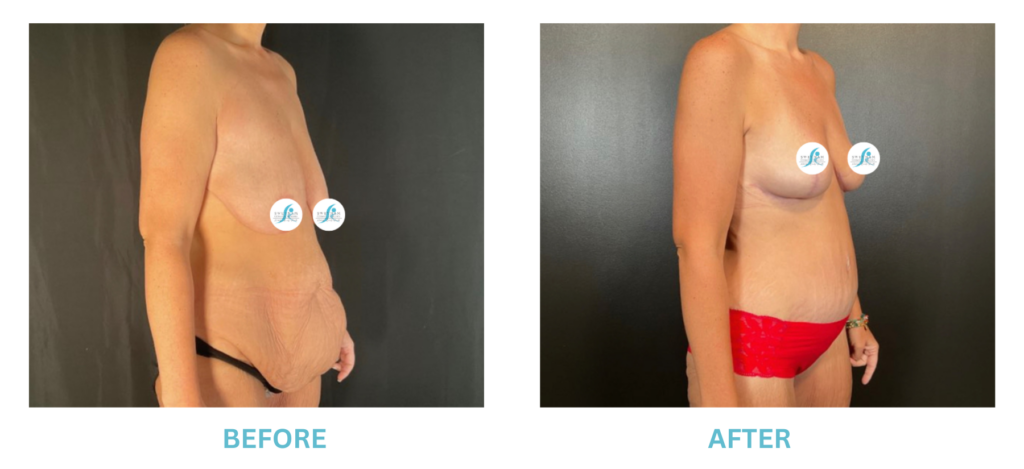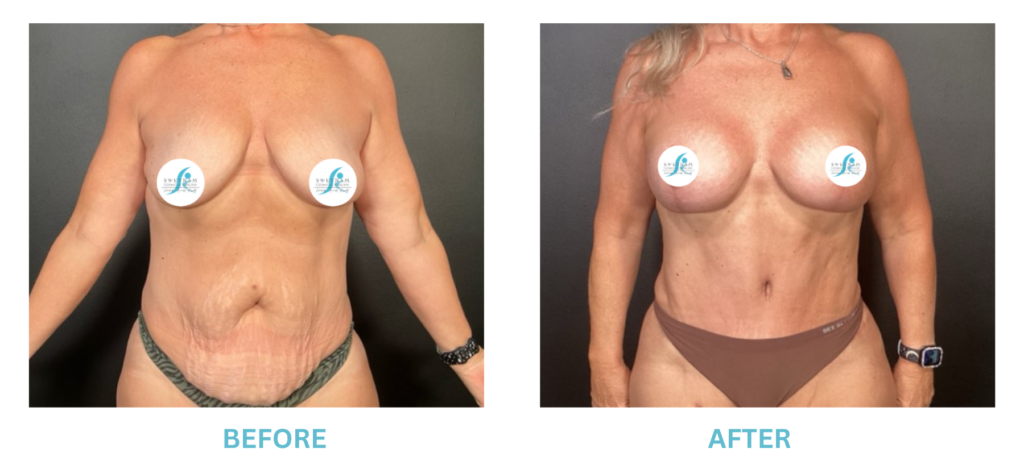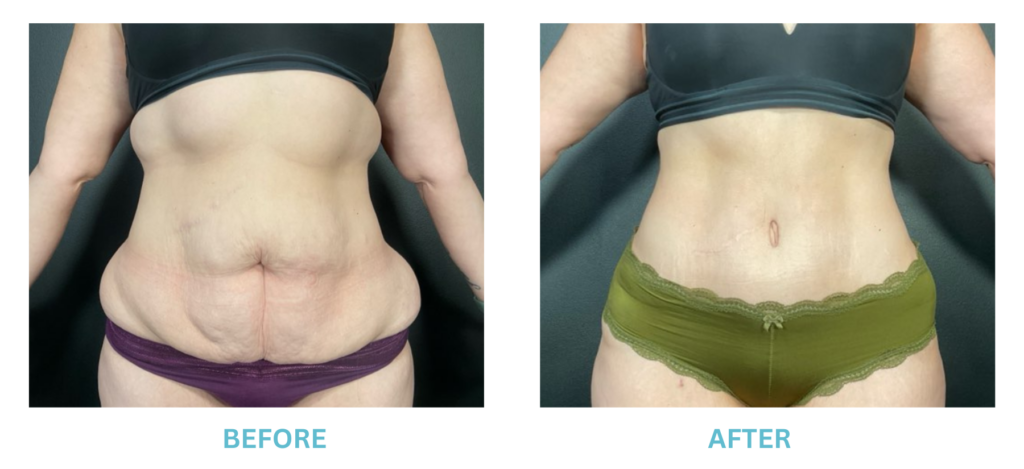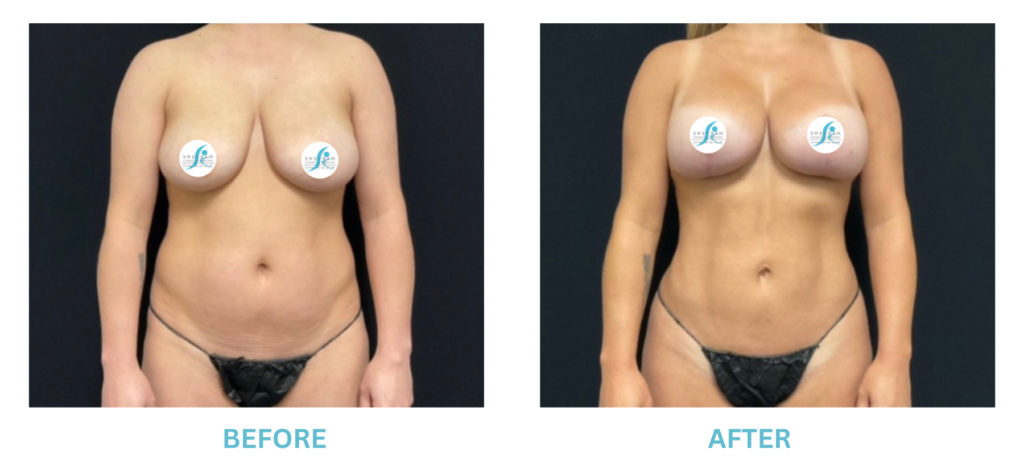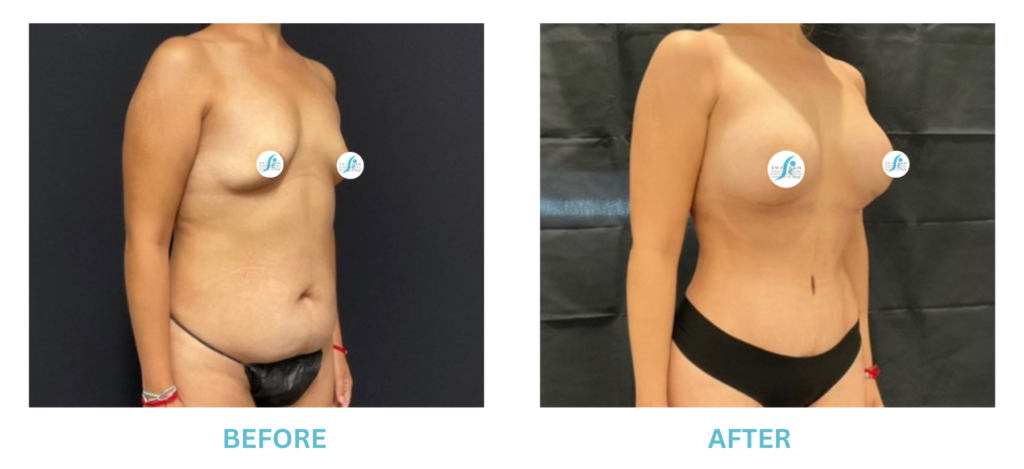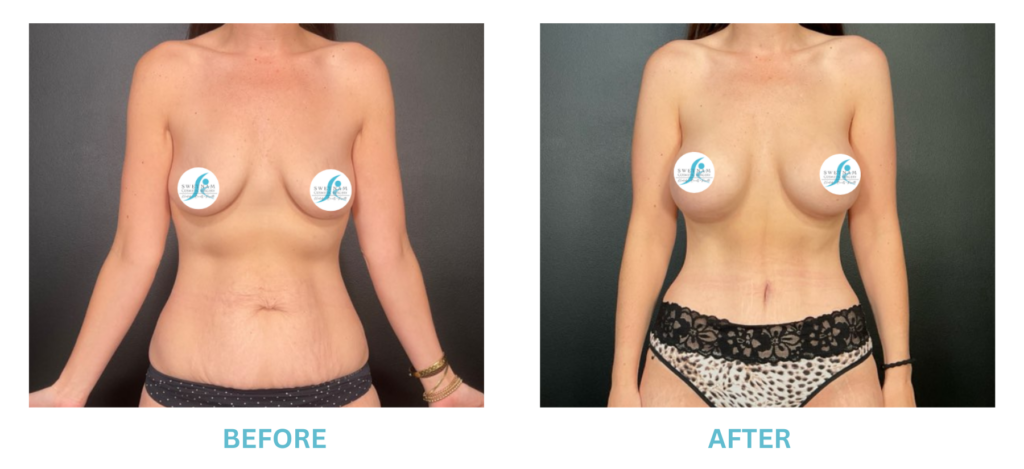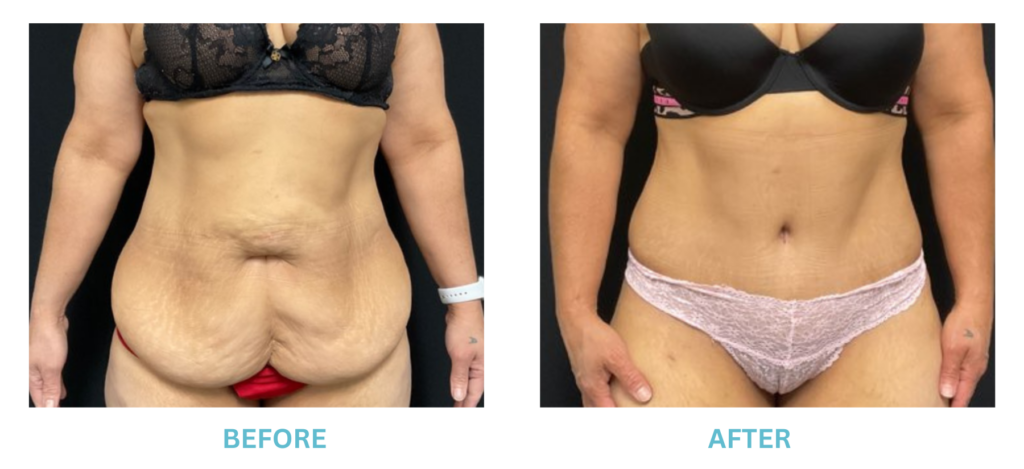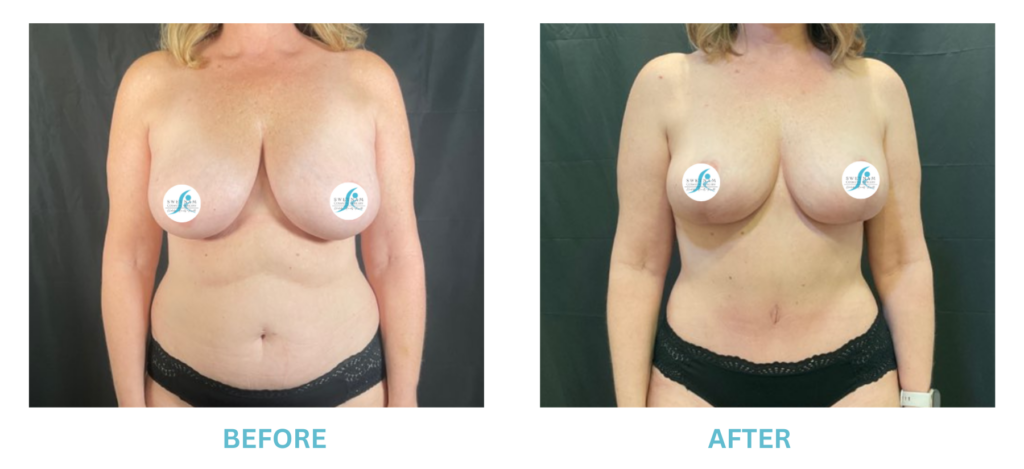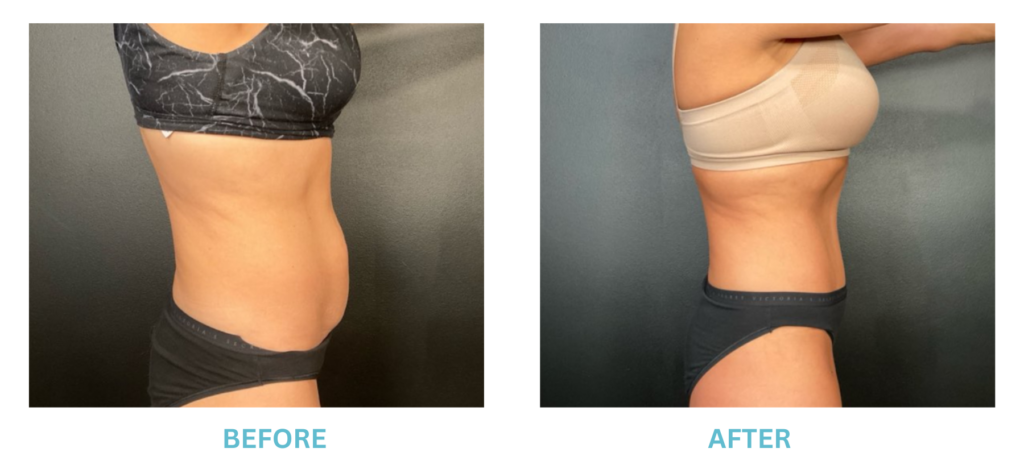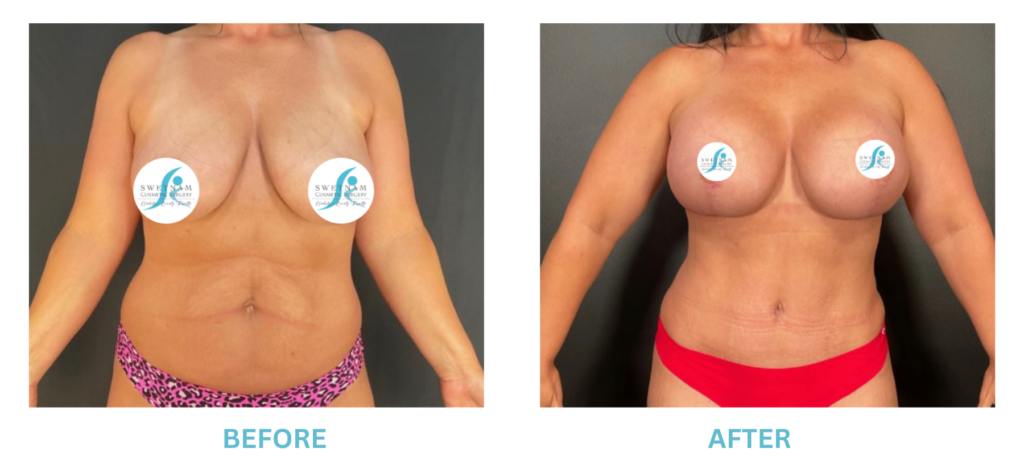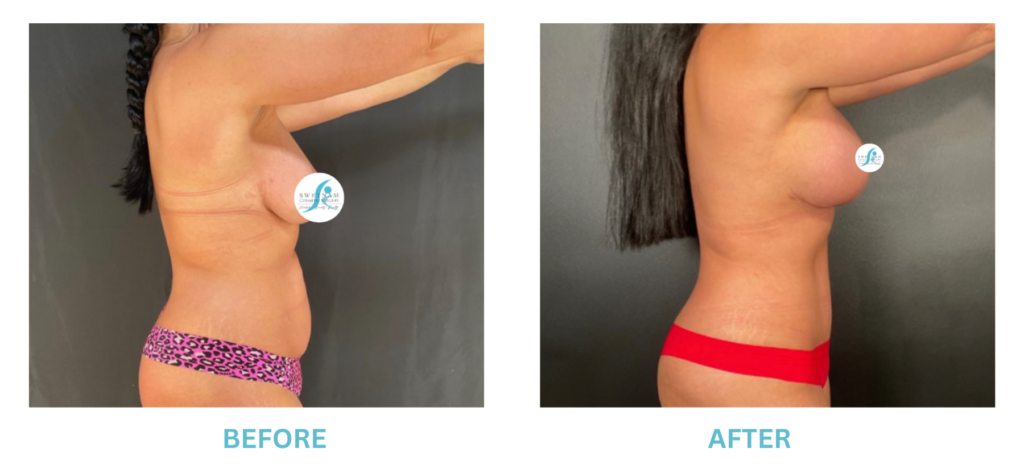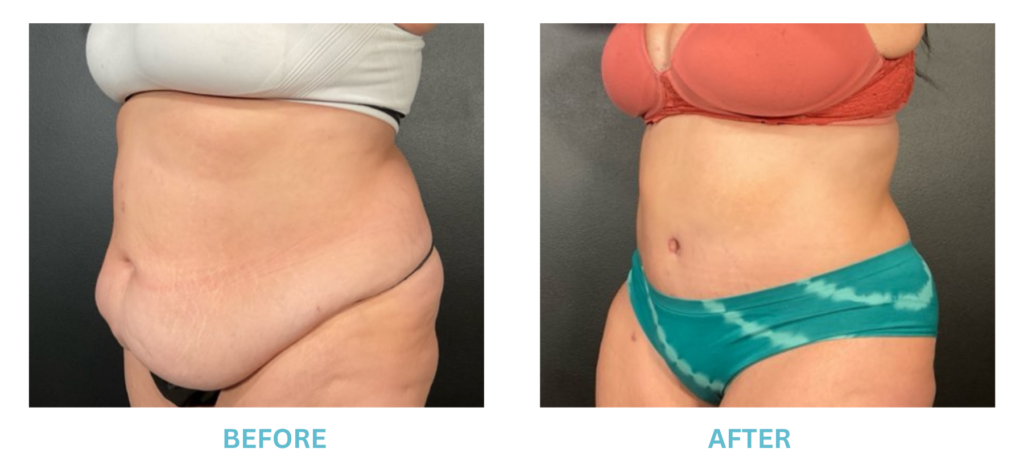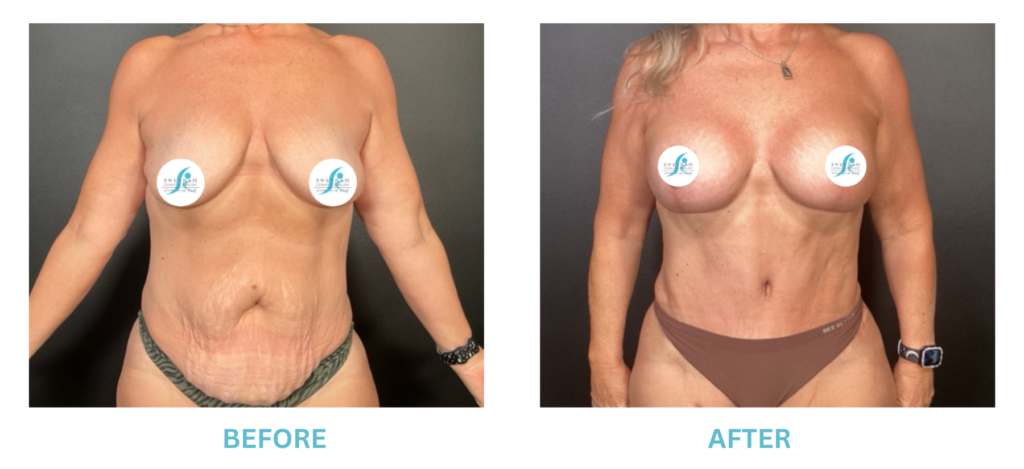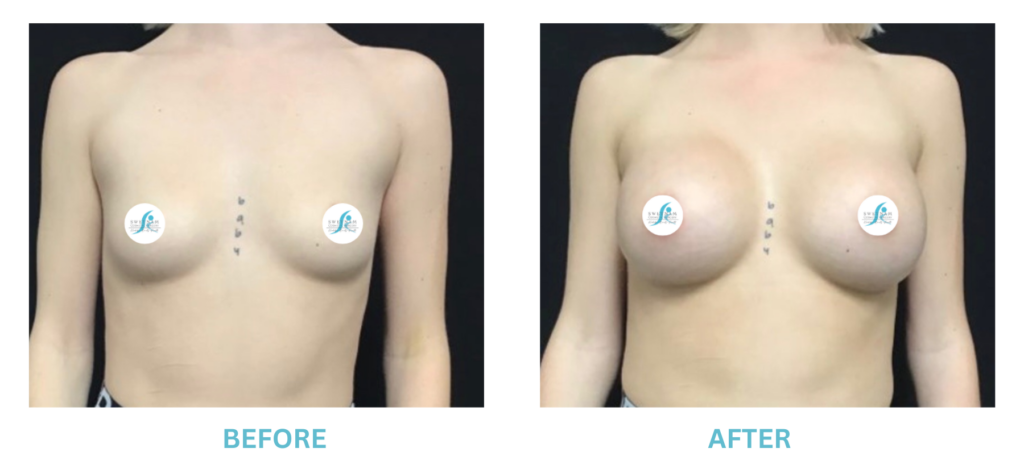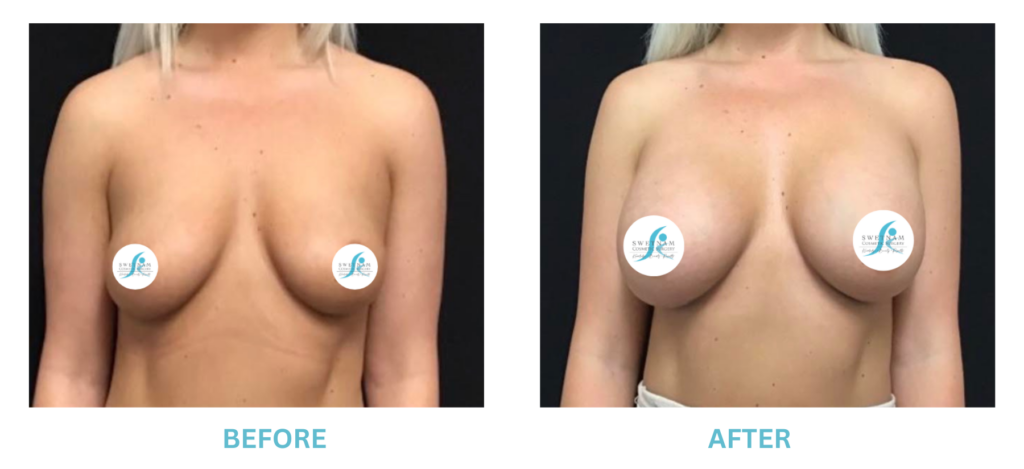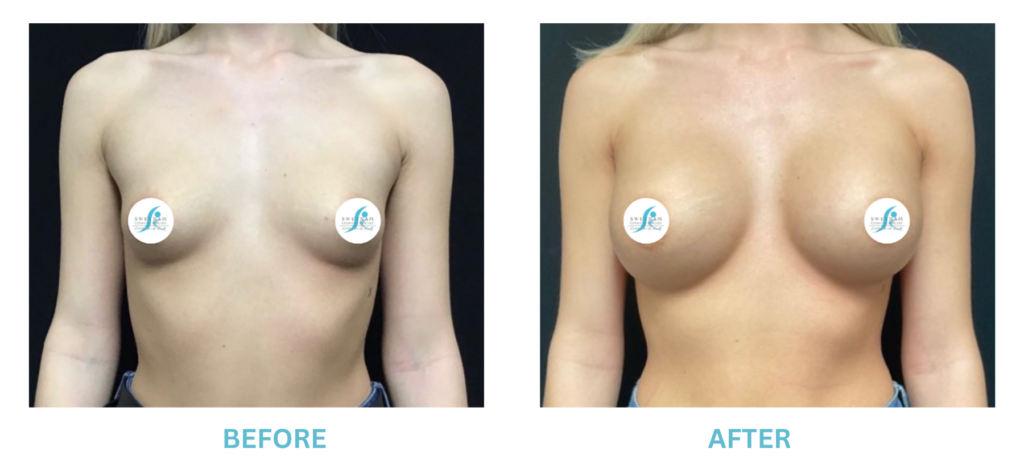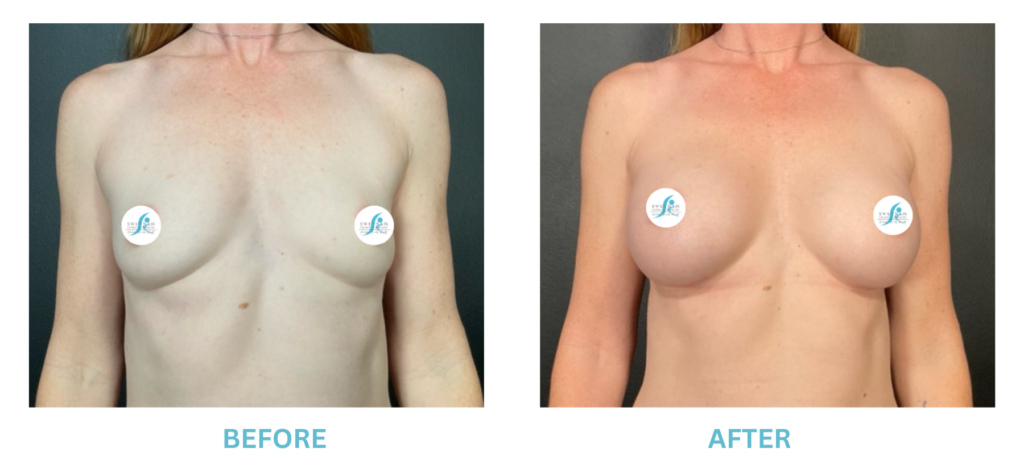



Sometimes the stomach isn’t the only area standing between you and the silhouette you want. Loose abdominal skin may gather across the front, while stubborn pockets of fat linger around the hips and flanks. Treating only one of those concerns can improve your shape, but it may leave the overall contour feeling unfinished.
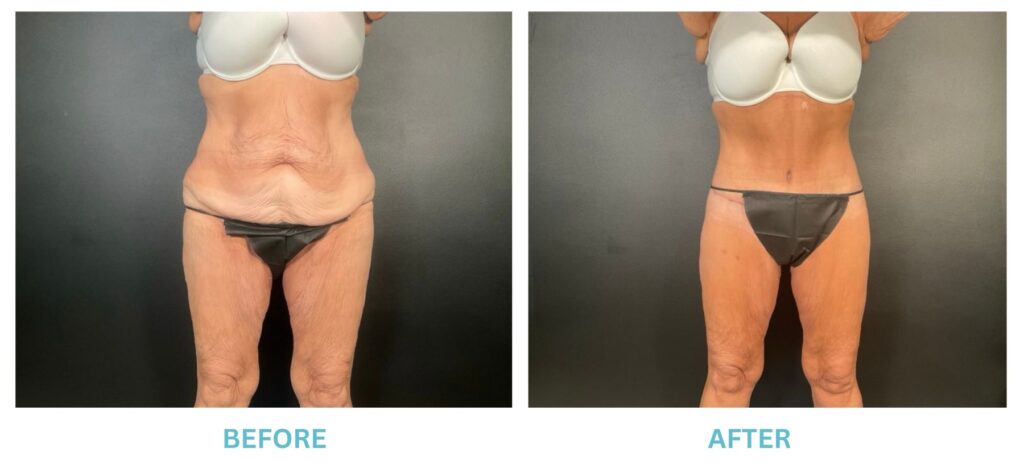
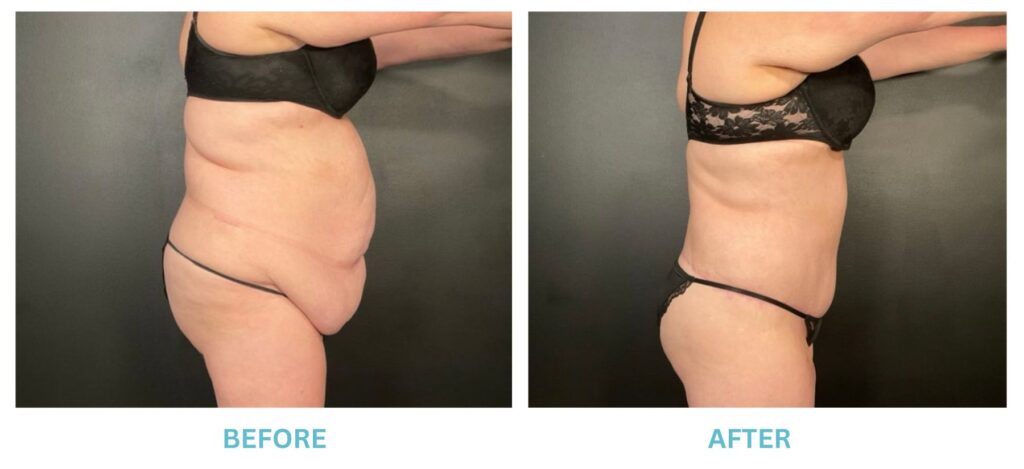
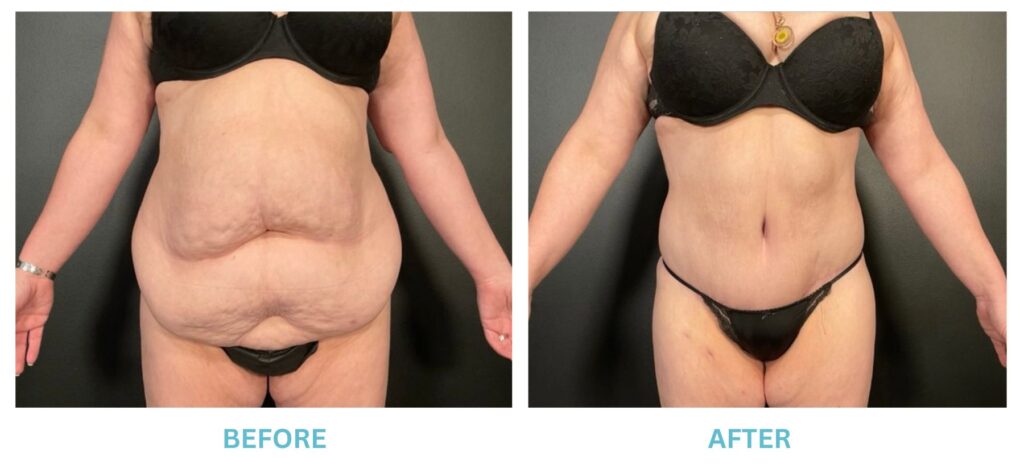
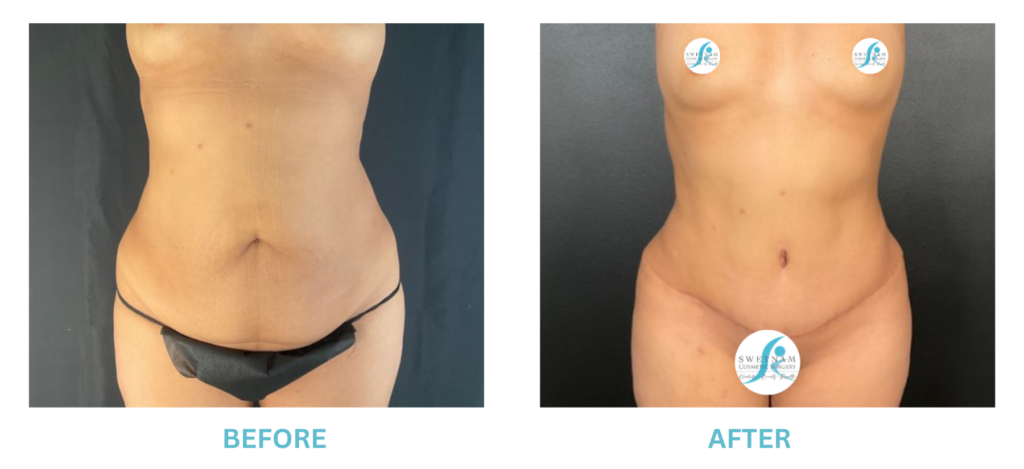
A tummy tuck with liposuction takes a broader approach. A tummy tuck addresses excess abdominal skin and can repair separated abdominal muscles when appropriate, while targeted hip or flank liposuction reduces localized fat around the waist. Together, these procedures can create a smoother abdomen, stronger waist definition, and a more balanced transition from the stomach to the sides of the body.
Think of the approach as Tighten, Tone, Transform. Keep reading to see how combining these procedures can change the entire waistline and why fall can be a practical season to begin planning body contouring surgery.
One Waist, Different Concerns
A flatter stomach and a defined waist aren’t necessarily the same thing. Understanding what creates each concern helps explain why more than one surgical technique may sometimes be appropriate.
Pregnancy, significant weight changes, genetics, and aging can all affect the abdomen. Some patients develop loose abdominal skin that no longer contracts around their shape. Others have separated abdominal muscles, localized fat, or a combination of all three.
Fat around the hips and flanks presents another challenge. Even after reaching a stable weight, these pockets may remain because body-fat distribution is influenced partly by genetics and individual anatomy.
That’s why stubborn belly fat isn’t always something that can simply be exercised away. A tummy tuck and liposuction address different pieces of this puzzle. When they’re appropriately combined, the goal isn’t merely to make the stomach flatter. It’s to consider the abdomen and waist as connected parts of the same silhouette.

Tighten, Tone, Transform
Combining abdominoplasty and targeted liposuction can create a more comprehensive body-contouring strategy. Each procedure has a specific role, and understanding those roles is the key to realistic expectations.
1. Tighten Loose Abdominal Skin
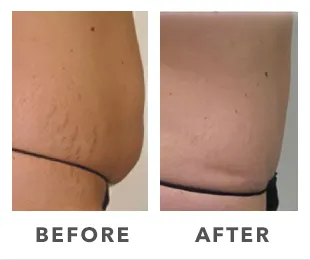
A tummy tuck, or abdominoplasty, is primarily a skin and structural procedure rather than a weight-loss operation. During surgery, excess abdominal skin is removed and the remaining tissue is repositioned to create a smoother contour.
When abdominal muscle separation is present and repair is appropriate, the abdominal wall can also be tightened as part of the procedure. This is particularly relevant after pregnancy or substantial weight changes.
Exercise can strengthen abdominal muscles, but it can’t remove significant excess skin. Likewise, losing more weight won’t necessarily make stretched skin contract enough to create the contour a patient wants.
That’s where abdominal contouring through a tummy tuck can make a meaningful difference. The procedure can improve laxity across the abdomen and create a firmer-looking foundation. However, that doesn’t automatically mean the waist and hips will change to the same degree.
That’s where liposuction can enter the plan.
2. Tone the Hips and Flanks
The word tone is often associated with exercise, but in this context, we’re talking about refining localized contours around the waist. Hip liposuction targets selected deposits of subcutaneous fat around the hip area. Flank liposuction can address fat along the sides of the torso, including areas patients sometimes describe as love handles.
These deposits can affect how defined the waist appears from both the front and back. Imagine creating a flatter abdominal profile while leaving prominent fullness at the sides untouched. The stomach may improve considerably, yet the waistline may still appear relatively straight or bulky.
Targeted liposuction can help smooth that transition. Liposuction works by removing selected fat deposits through small incisions using a cannula. It isn’t intended to remove large amounts of weight, nor is it a treatment for loose skin. That distinction is important.
If skin laxity is the main concern, liposuction alone could leave the patient disappointed because removing fat doesn’t automatically tighten substantial excess skin. When both skin laxity and localized flank fat are present, combining techniques may make more anatomical sense.
3. Transform the Waist as a Whole
This is where tummy tuck and hip liposuction become more than two procedures happening during the same surgical plan. The abdomen doesn’t end visually at the front of the body. Its contour flows into the flanks, hips, and lower back. Those transitions help determine whether the waist looks defined from multiple angles.
Treating the abdomen while thoughtfully contouring adjacent areas can create a more cohesive result. With abdominoplasty with liposuction, the surgeon can approach loose skin and localized fat as separate problems contributing to the same overall concern.
The goal isn’t to manufacture an exaggerated hourglass shape or promise a particular waist measurement. Bone structure, rib cage width, pelvic anatomy, muscle structure, skin quality, and natural fat distribution all influence the silhouette that surgery can realistically create.
Instead, the objective is proportion. A smoother abdomen combined with carefully selected waist contouring may help the waist appear more defined while preserving a shape that fits the patient’s natural anatomy.
4. Address Problems Diet Can’t Fix
Healthy eating and regular exercise remain important before and after body contouring surgery. But neither can selectively remove loose skin or dictate exactly where your body stores its remaining fat. That’s an important distinction for patients who feel frustrated despite putting considerable effort into fitness.
Someone may have strong abdominal muscles beneath stretched skin after pregnancy. Another patient may reach a comfortable, stable weight yet continue carrying disproportionate fullness around the flanks. Neither situation means their healthy habits have failed.
Body contouring surgery addresses physical concerns that lifestyle changes may not fully correct. A tummy tuck removes excess skin and may repair muscle separation, while liposuction selectively reduces localized fat.
Surgery isn’t a replacement for healthy habits. Ideally, it complements them once weight is relatively stable and the remaining concerns are structural or localized.
5. Create Better Front-to-Side Balance
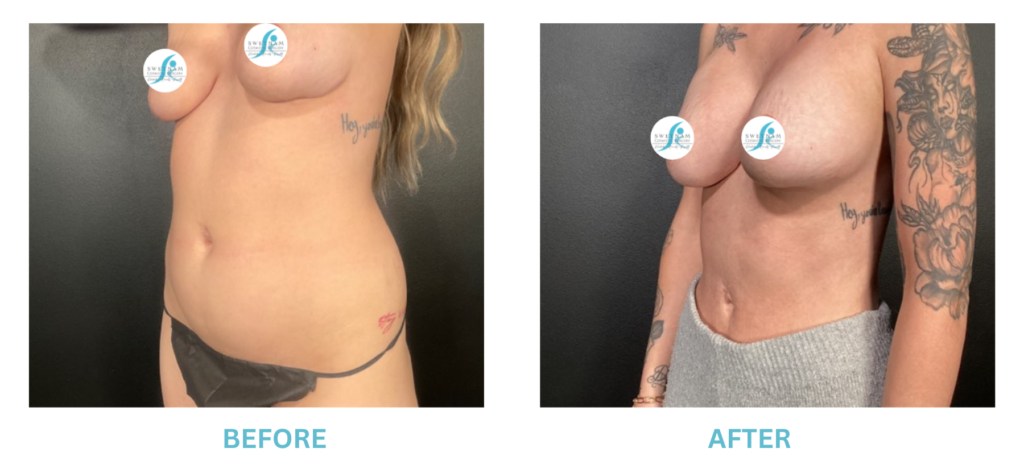
One of the easiest mistakes to make when thinking about body contouring is evaluating the abdomen only from the front. Real bodies are three-dimensional. The profile matters. So does the transition from the waist into the hips and the contour visible from behind.
A tummy tuck can create significant improvement across the abdomen, particularly when excess skin hangs or folds. Adding appropriately planned flank liposuction may help reduce fullness at the sides so the improved abdominal contour flows more naturally around the torso.
This can affect how clothing fits too. A smoother abdomen may improve the way fitted clothing falls across the front, while reduced flank fullness can change the transition around waistbands and the sides of dresses, trousers, or other garments. The aim isn’t perfection from every angle. It’s better continuity between the areas being treated.
6. Personalize the Combination
Not every tummy tuck patient needs liposuction, and not every patient with flank fat needs a tummy tuck. That point deserves emphasis. Someone with good skin elasticity and localized fat may be a candidate for liposuction without removing skin. Another patient may have substantial skin laxity but relatively little excess fat around the hips, making abdominoplasty the more important component.
Some patients have both. During consultation, the surgeon can evaluate skin quality, fat distribution, abdominal wall anatomy, previous scars, overall proportions, and treatment goals. This is also when the extent of liposuction can be discussed.
More liposuction isn’t automatically better. Surgical planning has to account for tissue health, blood supply, safety, and how the treated areas will transition into surrounding anatomy. A personalized plan matters more than simply adding procedures to a surgical wish list.

Results Need Time
It’s natural to want to see the new silhouette immediately, especially after investing time and effort into surgery. Your body, however, has its own timetable.
Early tummy tuck results are partly obscured by postoperative swelling. As that swelling decreases, the flatter abdominal contour and changes around the waist become easier to appreciate.
Improvement can continue over several months.
Scars also mature gradually. A tummy tuck requires an abdominal incision, and its length and position depend on the surgical plan and anatomy. The scar may initially appear more noticeable before softening and fading over time.
Liposuction requires smaller access incisions, but those areas also need to heal.
Final outcomes vary because every patient’s starting anatomy is different. Surgery can improve contour, but it can’t change the underlying skeleton or promise a specific body shape.
Maintaining a relatively stable weight can also help preserve results. Significant future weight fluctuations can change skin and fat distribution even after surgery.
Tighten, Tone, Transform
A more defined waistline isn’t necessarily created by removing more fat or pulling skin tighter. It comes from understanding how loose skin, abdominal structure, localized fat, and natural proportions work together.
At Swetnam Cosmetic Surgery in Fort Smith and Northwest Arkansas, patients can explore whether a tummy tuck with liposuction fits their body-contouring goals. A personalized surgical plan can address the abdomen, hips, and flanks thoughtfully, helping create a smoother waistline and balanced contour while keeping expectations grounded in your individual anatomy.
Connect with us today to book your consultation!