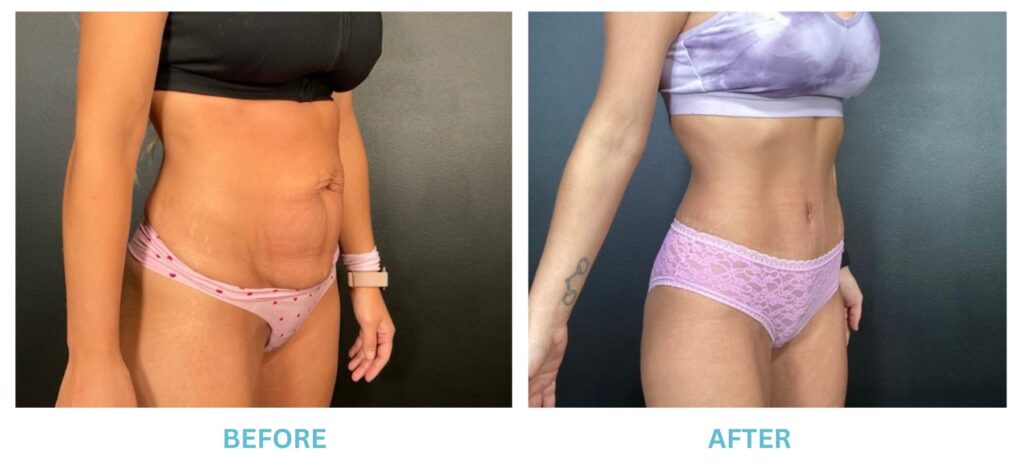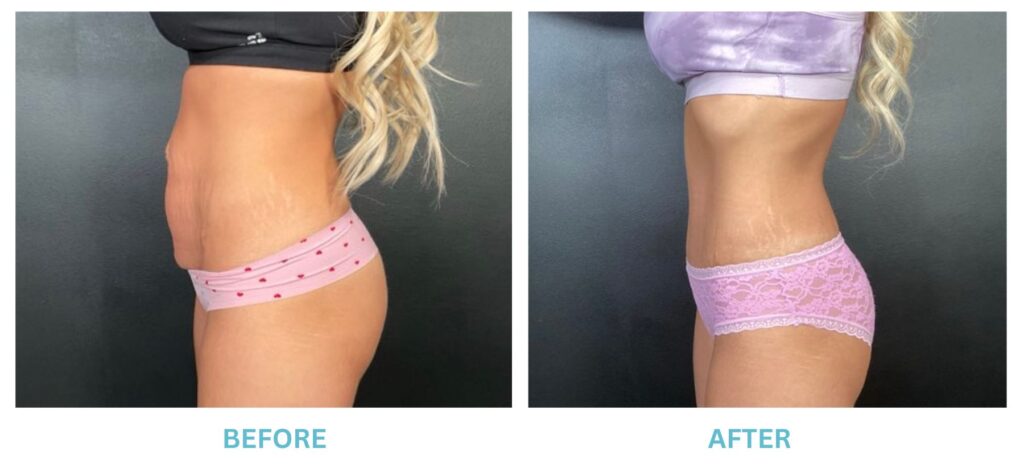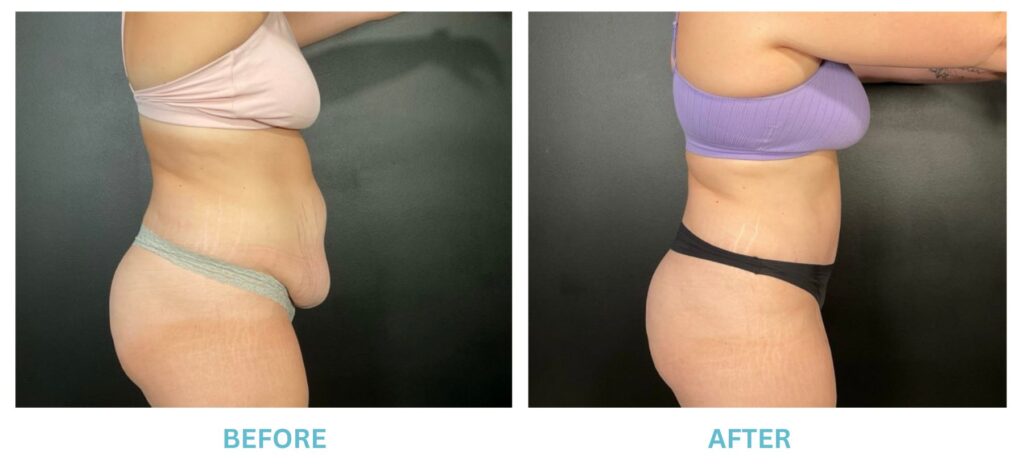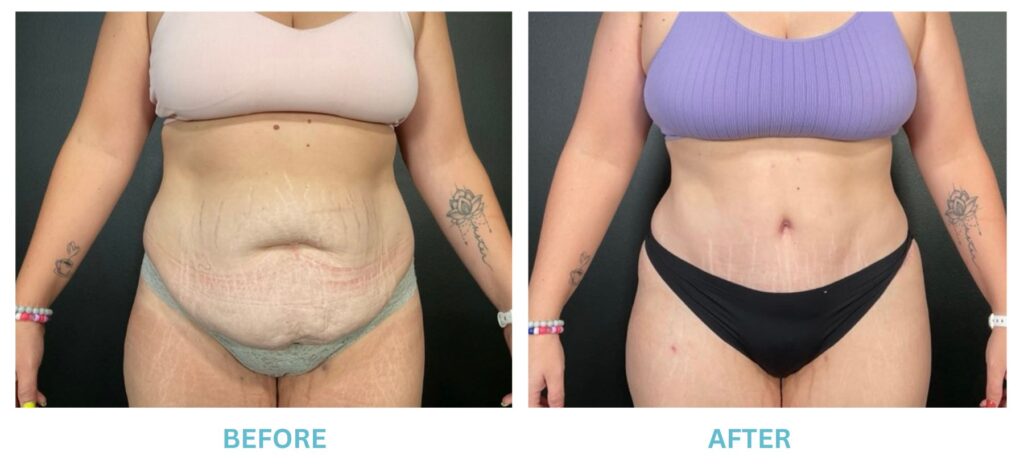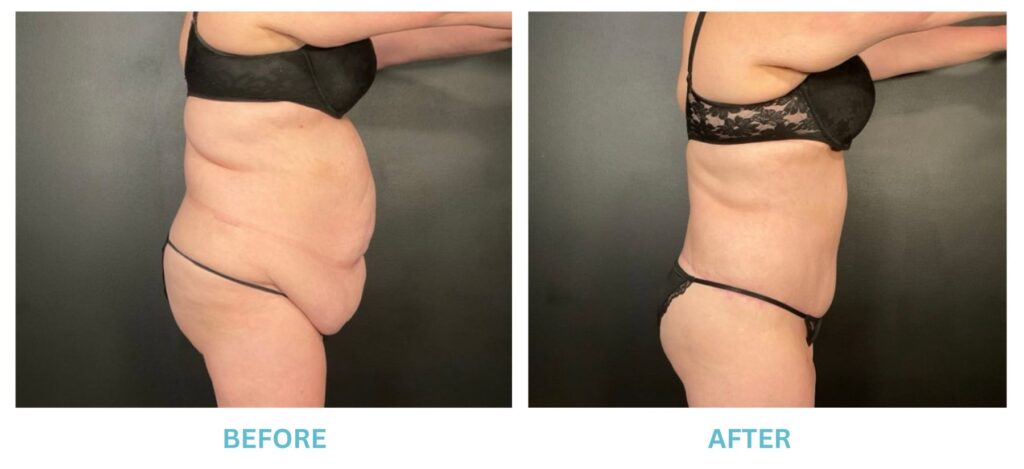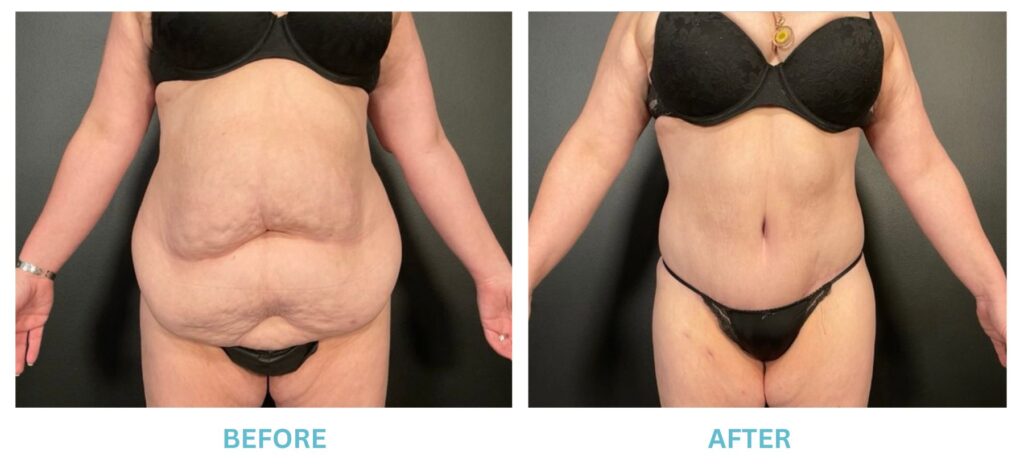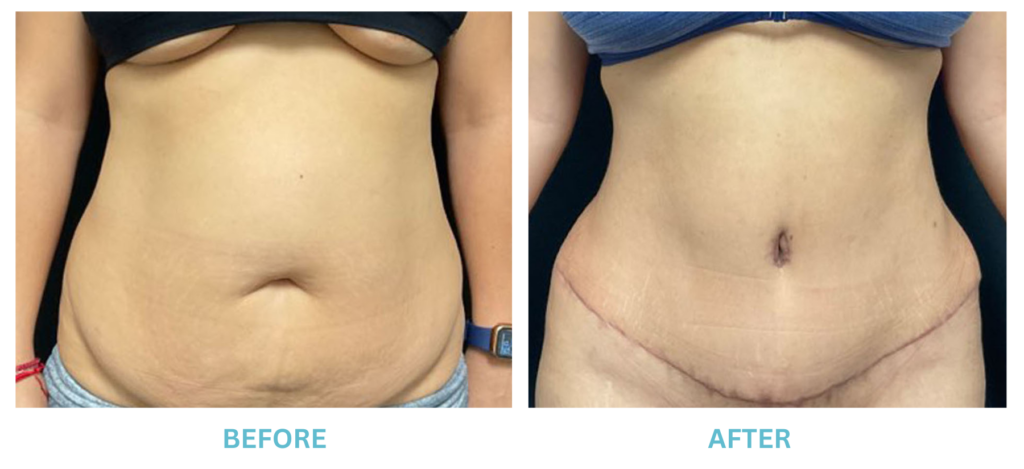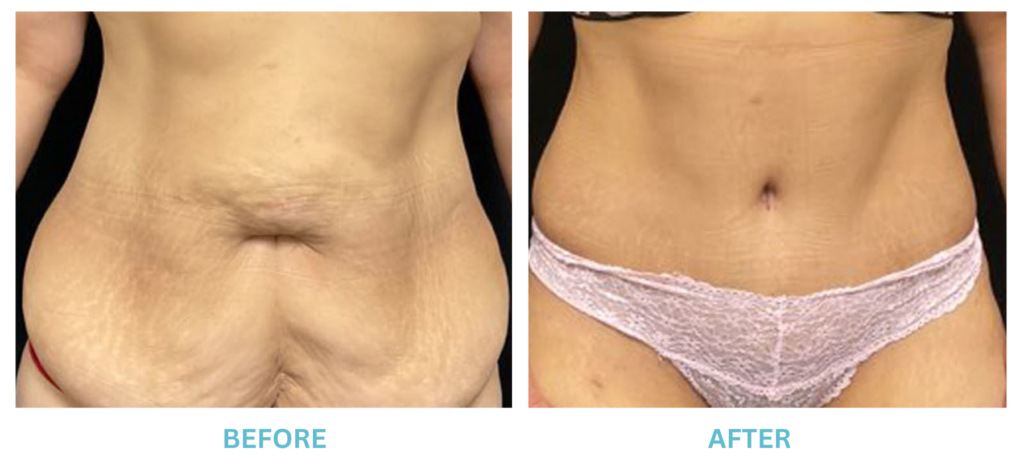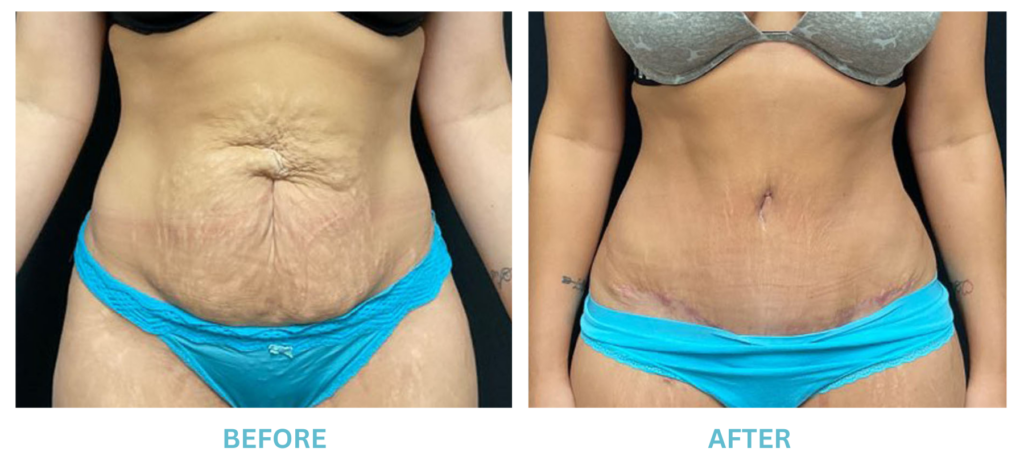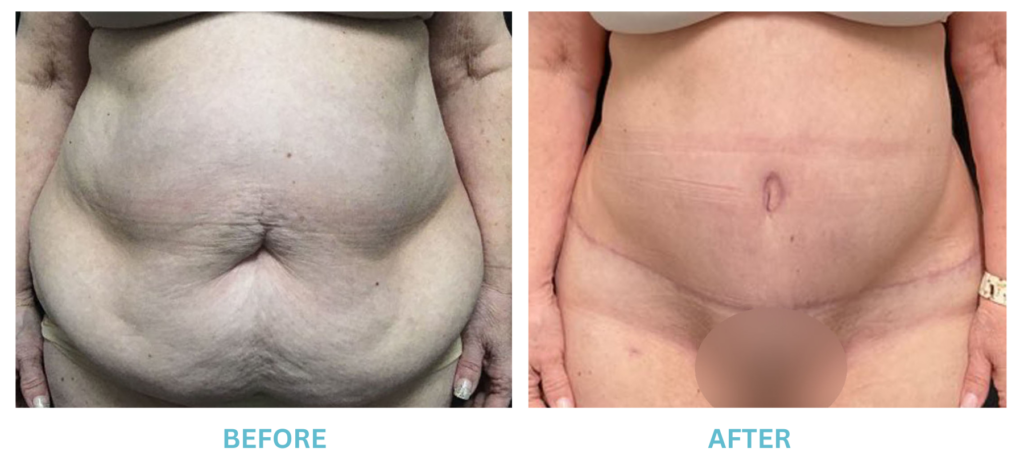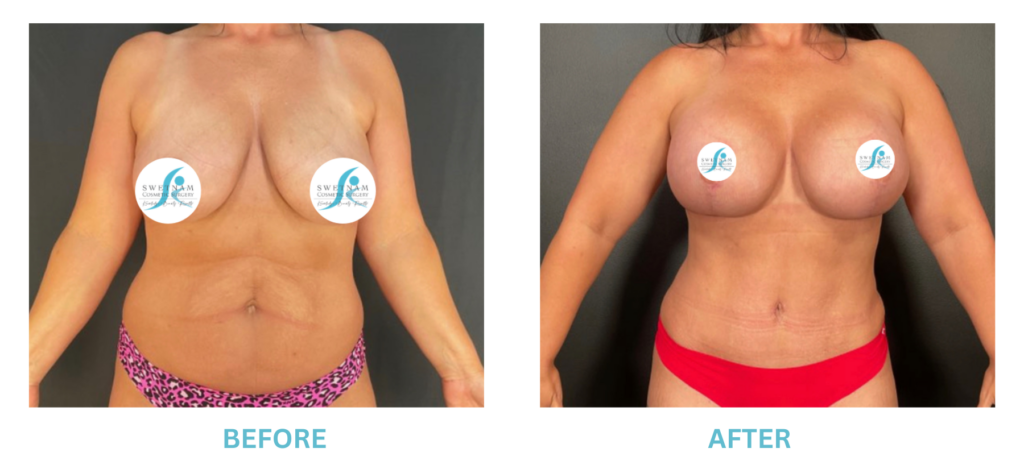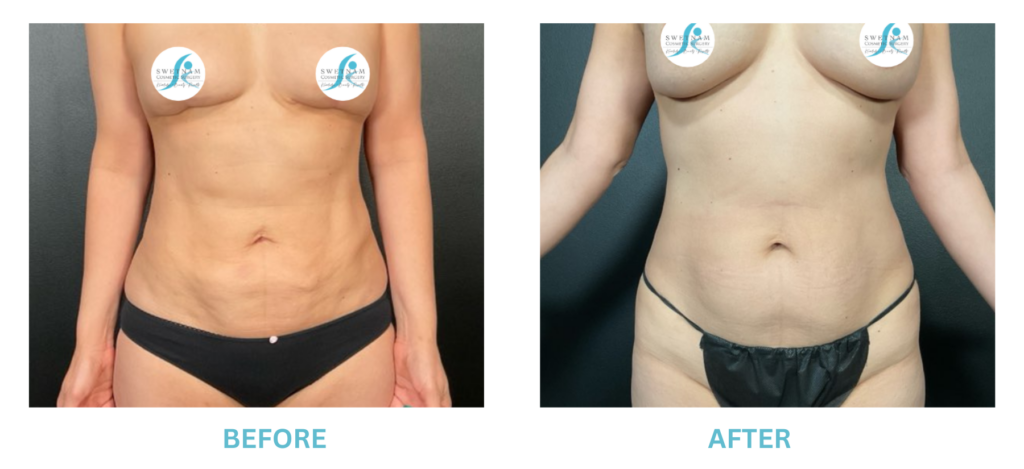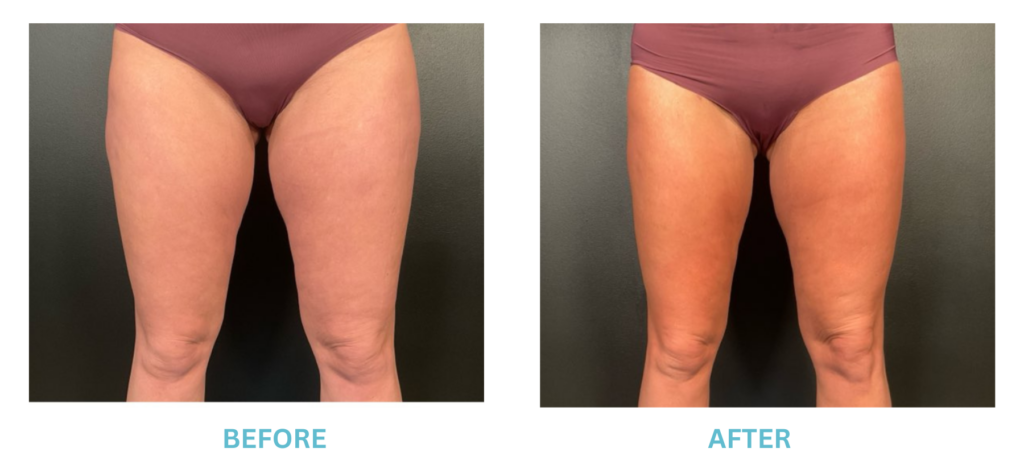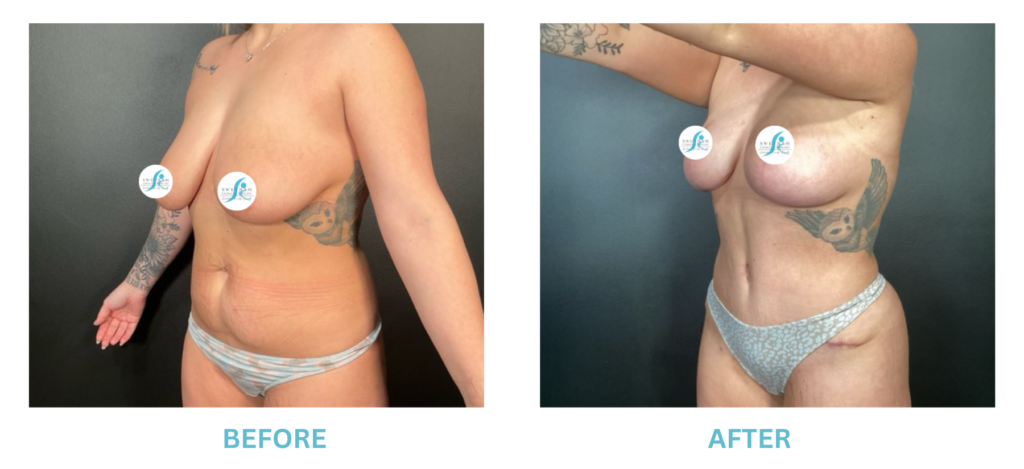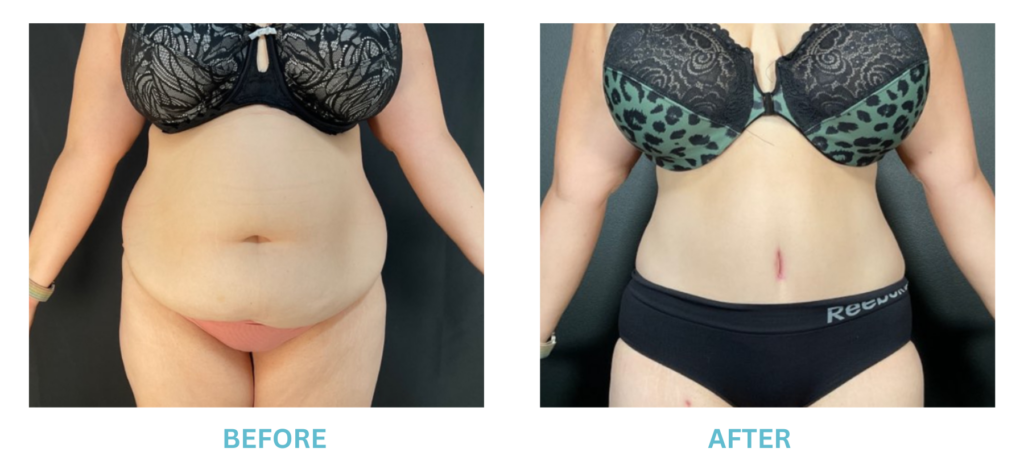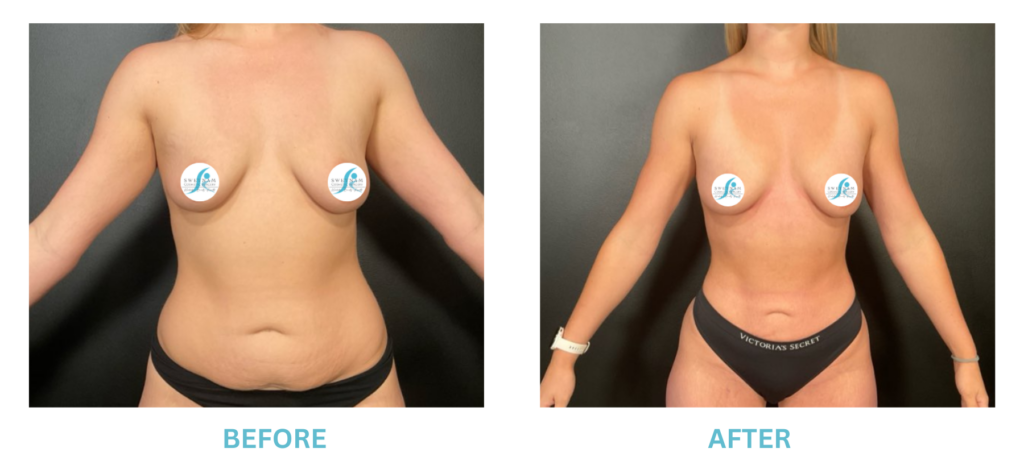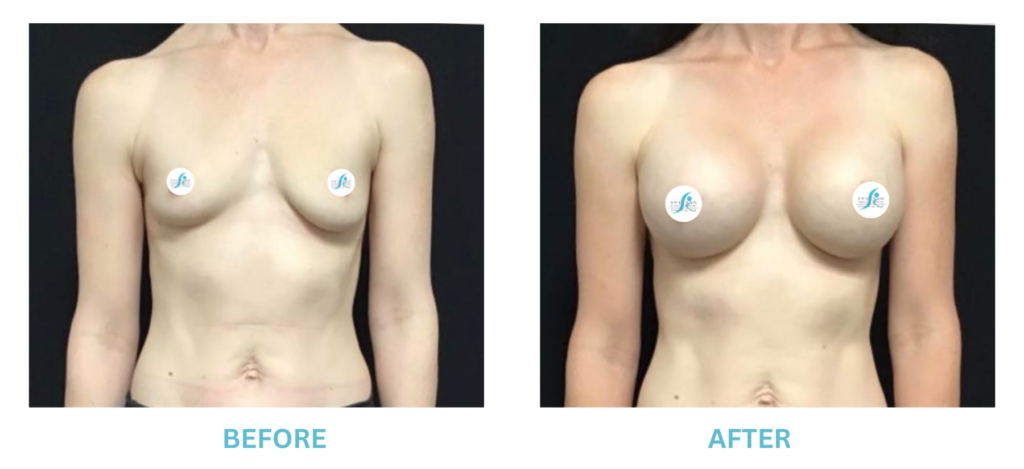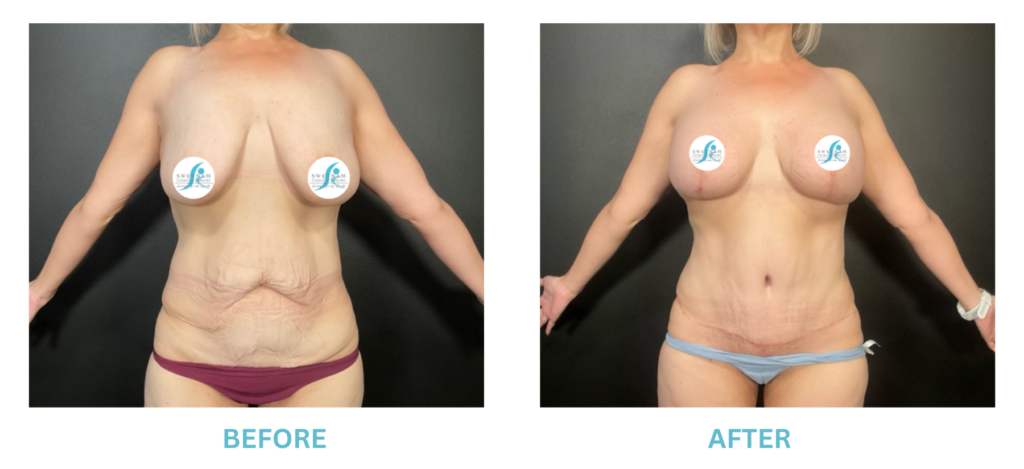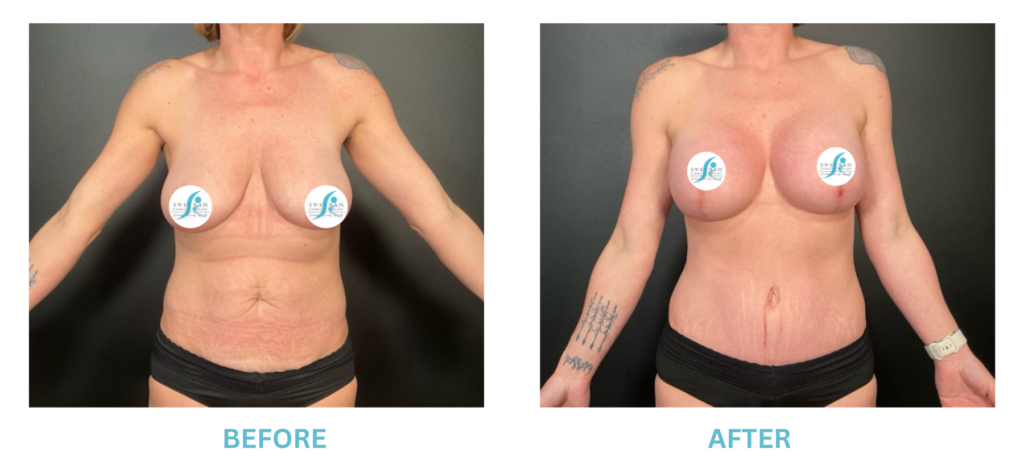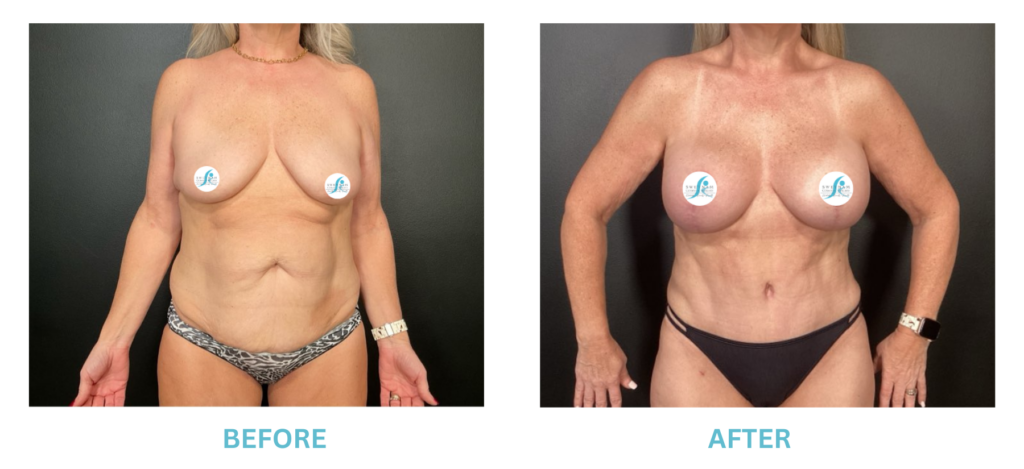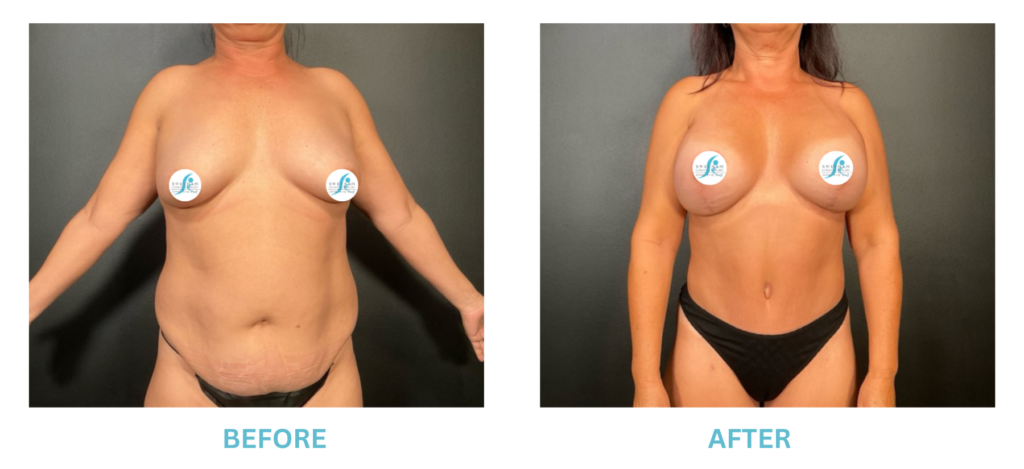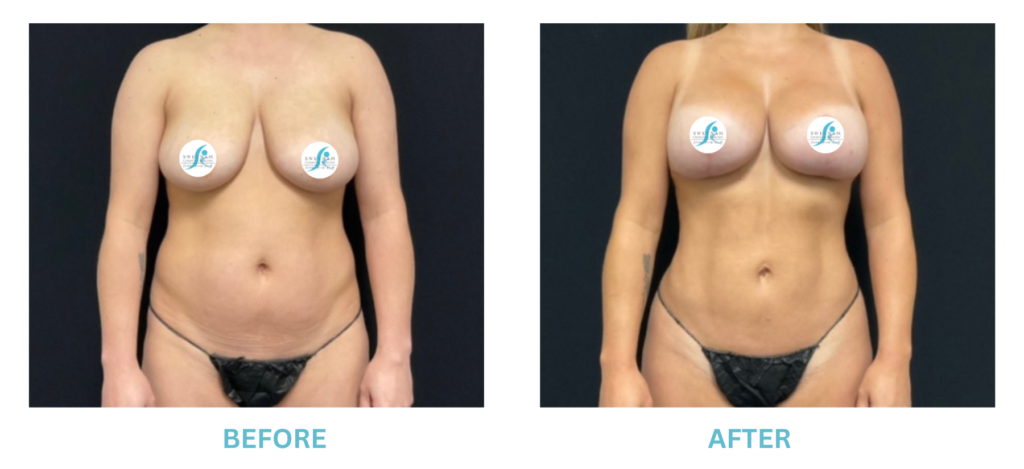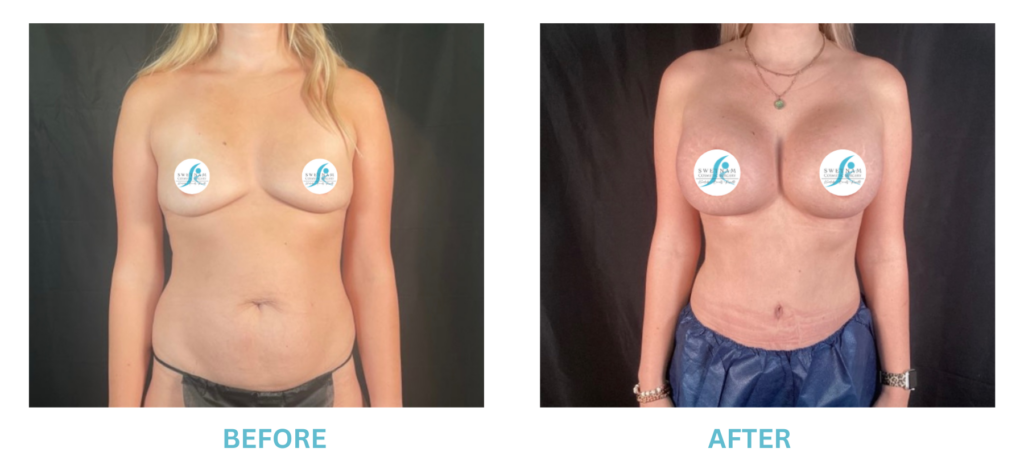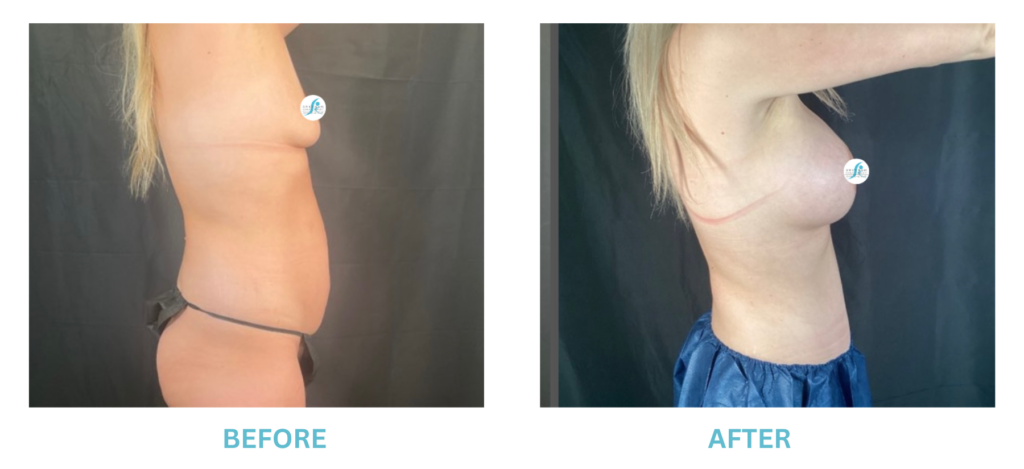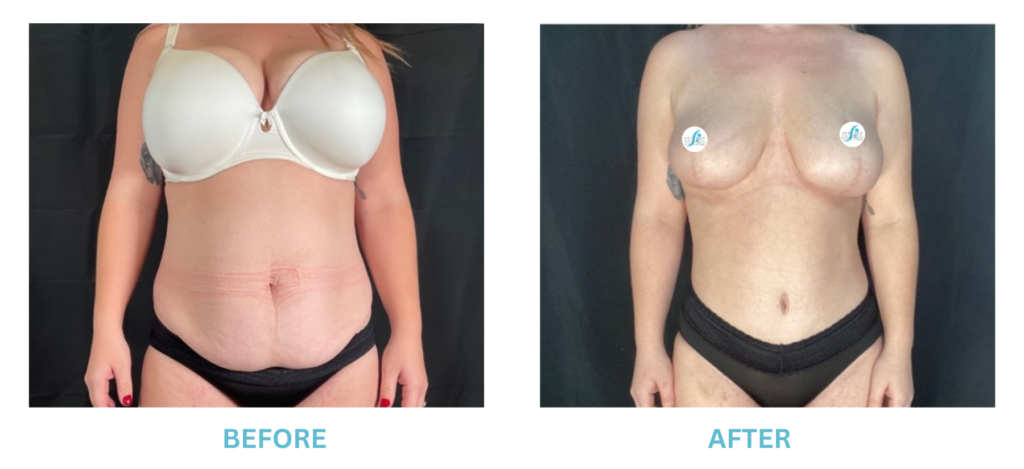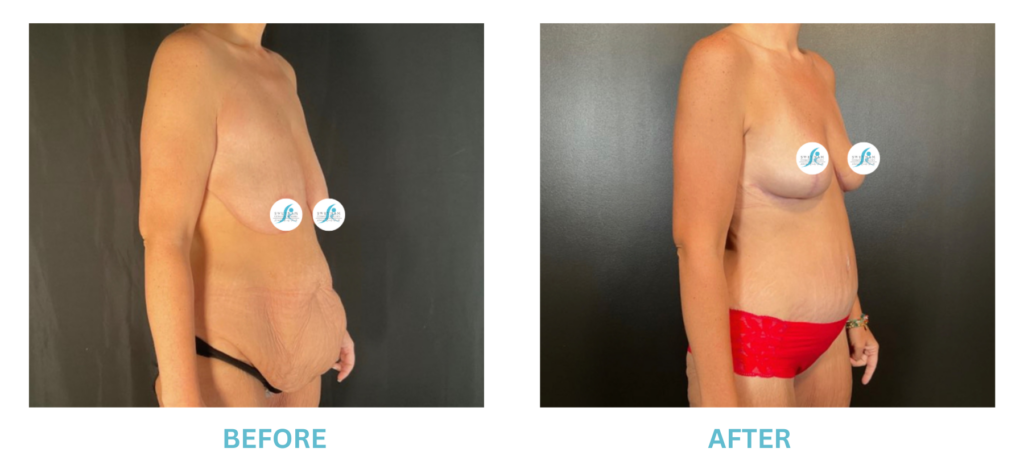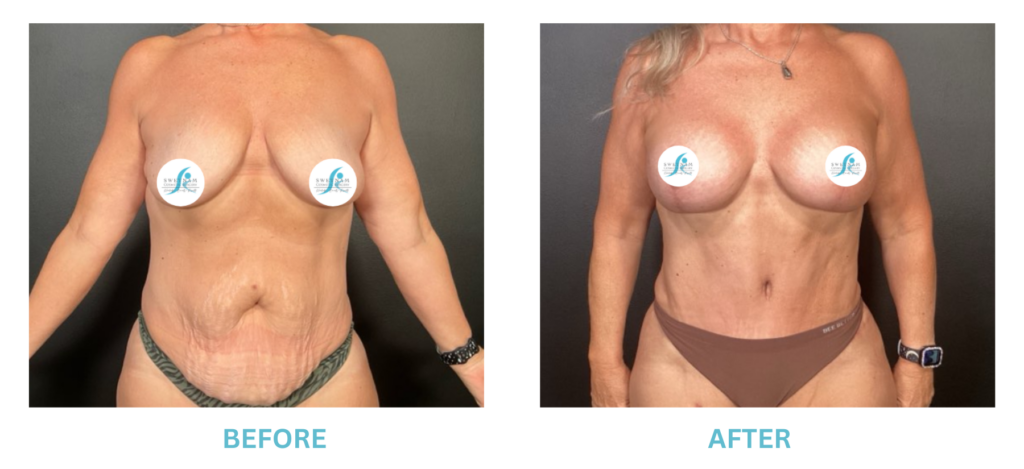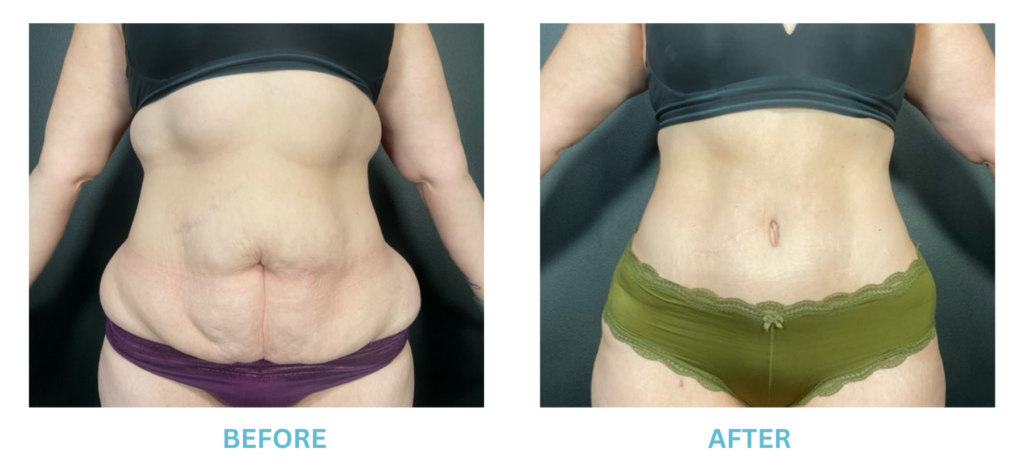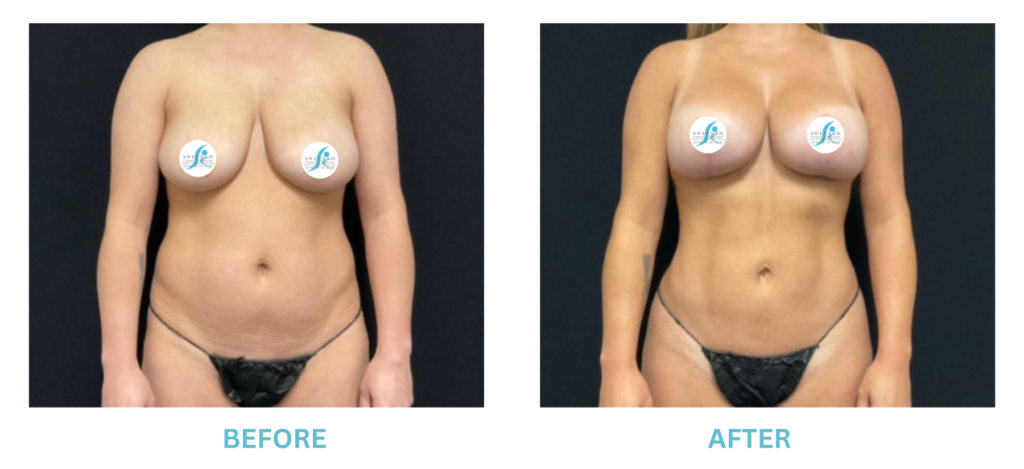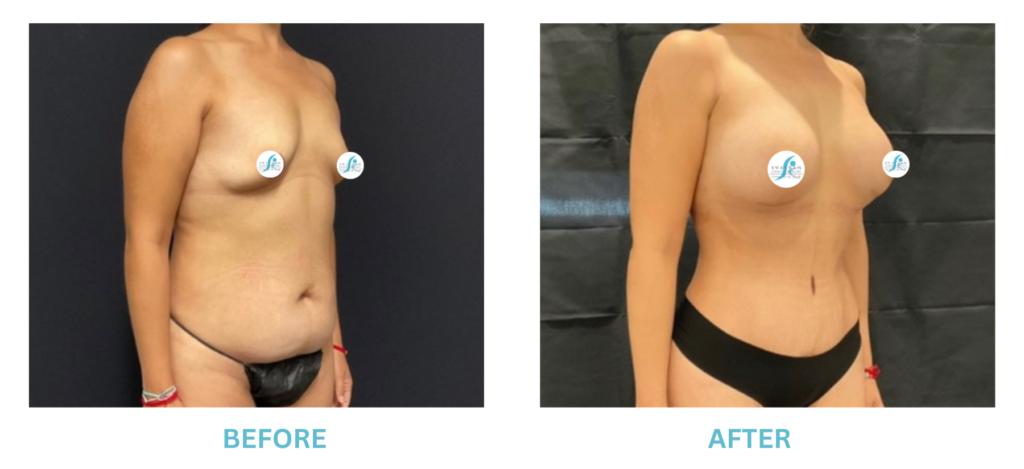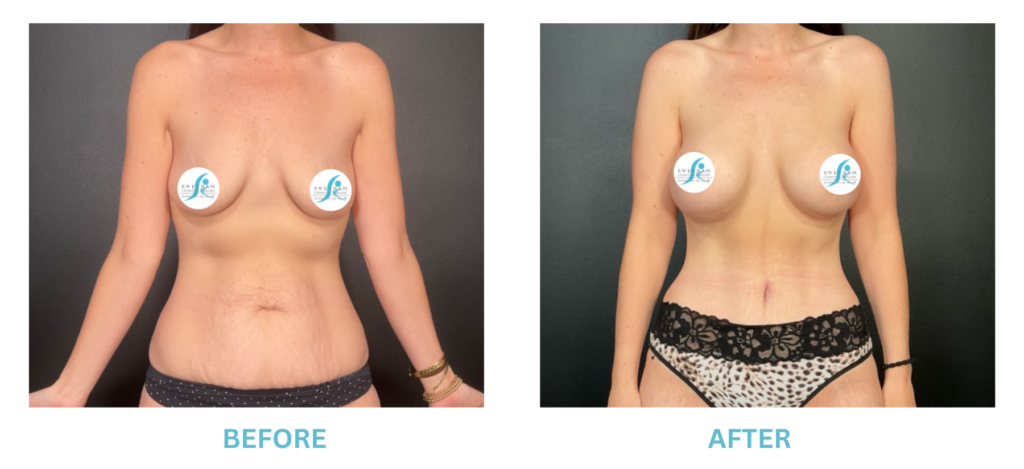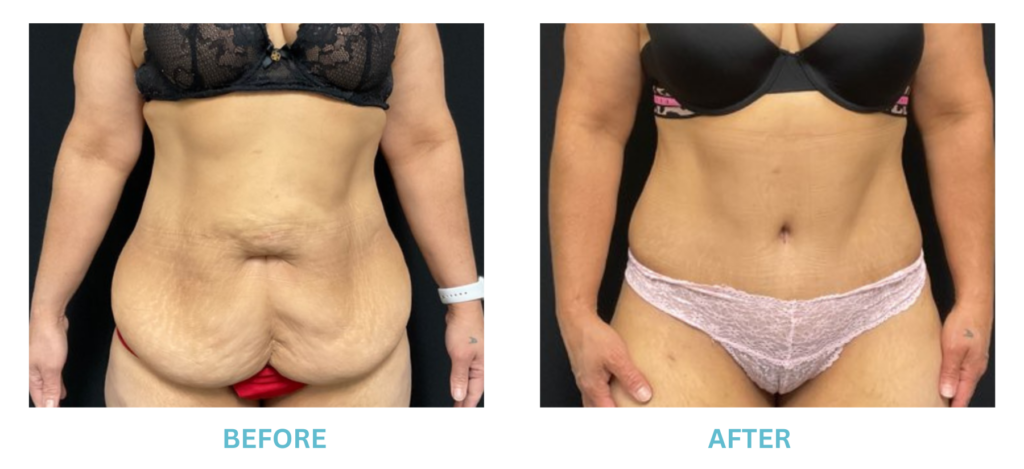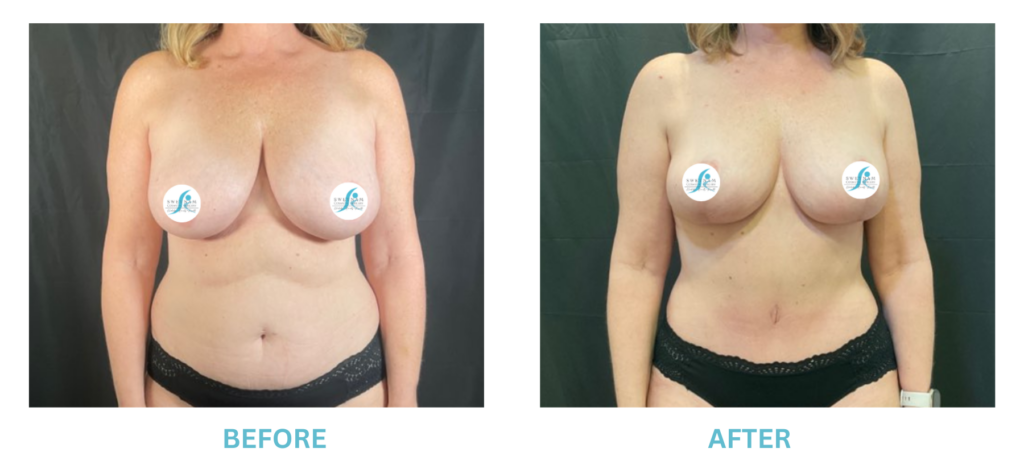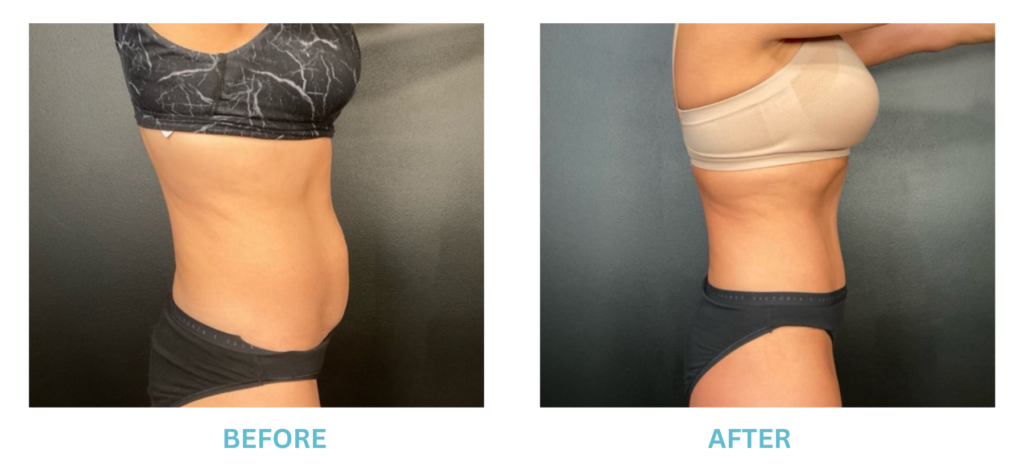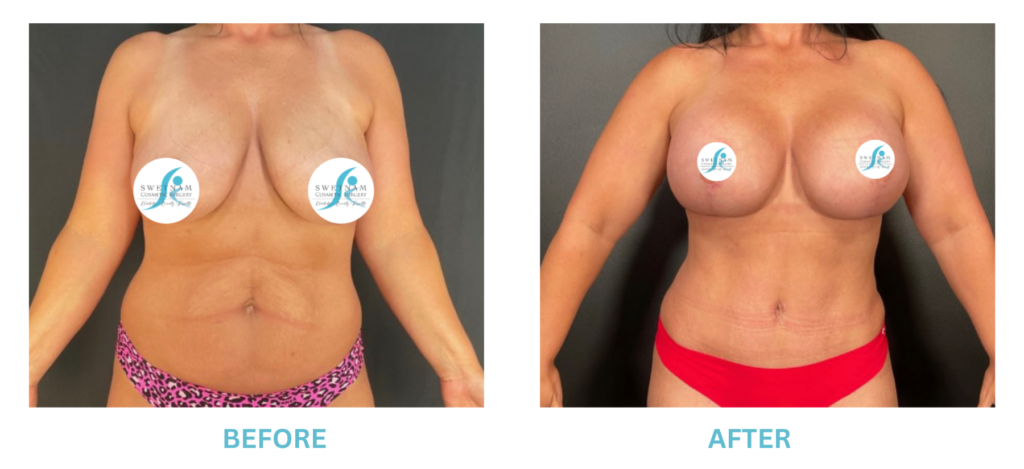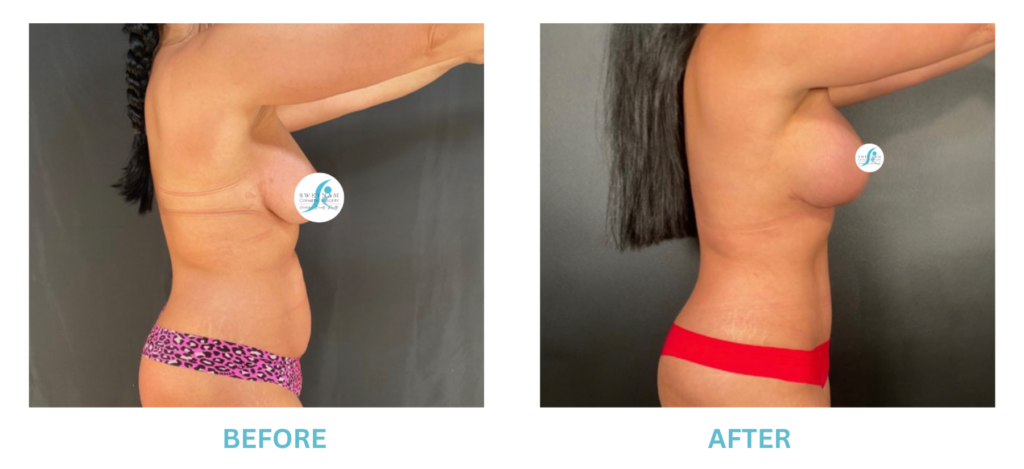



Bringing a child into the world changes everything, including your body. Many women find that months after healing from a C-section, their lower abdomen still feels unfamiliar. Loose skin may linger, muscles may feel weak, and a persistent “shelf” above the incision can make clothes fit differently and confidence feel out of reach.
At Swetnam Cosmetic Surgery in Springdale, we understand the emotional and physical transformation that follows childbirth. A personalized tummy tuck, also known as abdominoplasty, can help refine your shape, strengthen your core, and soften the appearance of scarring, all under the care of a triple board-certified surgeon with a commitment to natural-looking results.
Let’s explore how this procedure supports post-cesarean women, and what to consider as you plan your next chapter.
What is a Tummy Tuck After a C-Section?
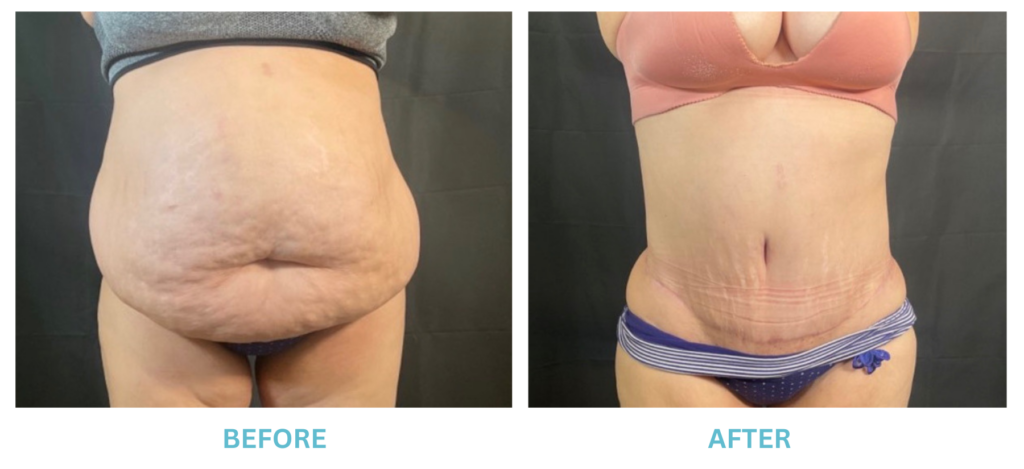
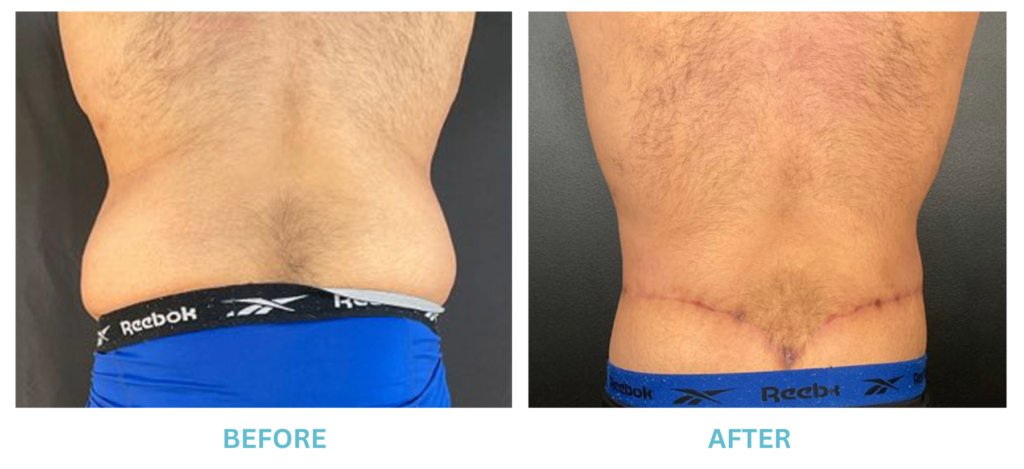
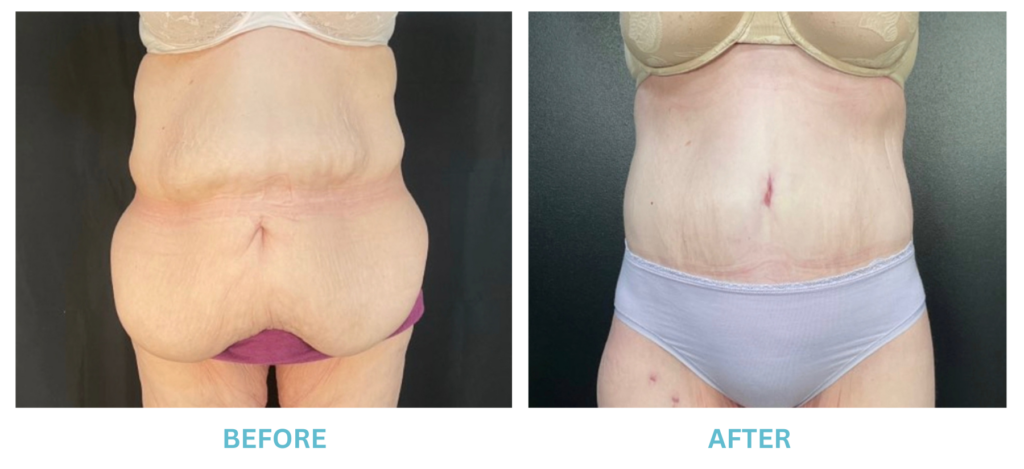
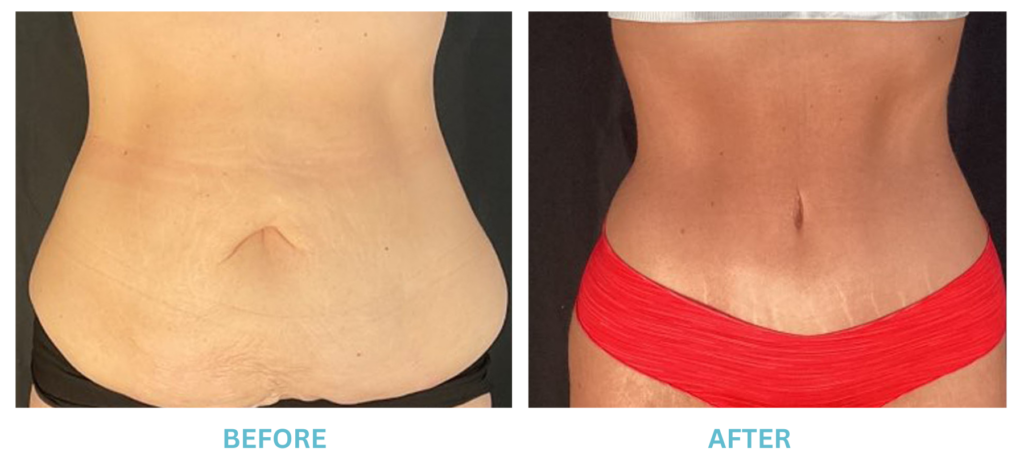
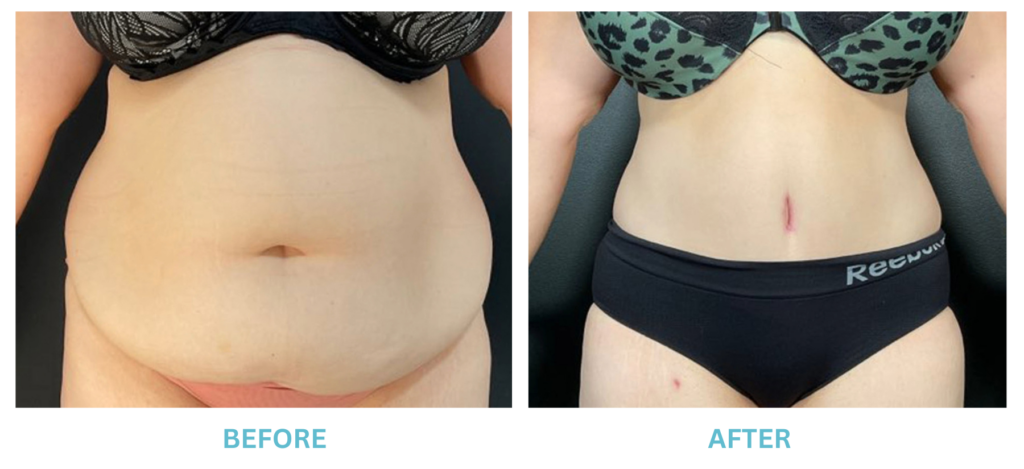
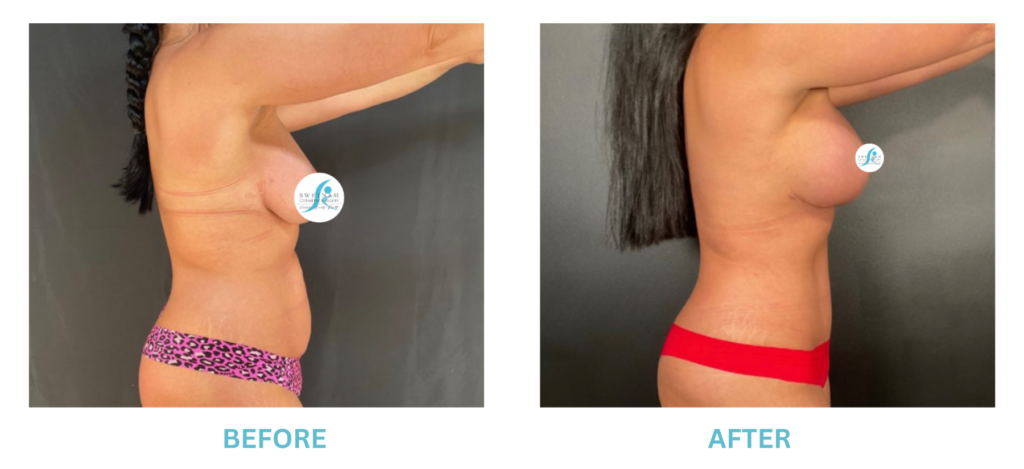
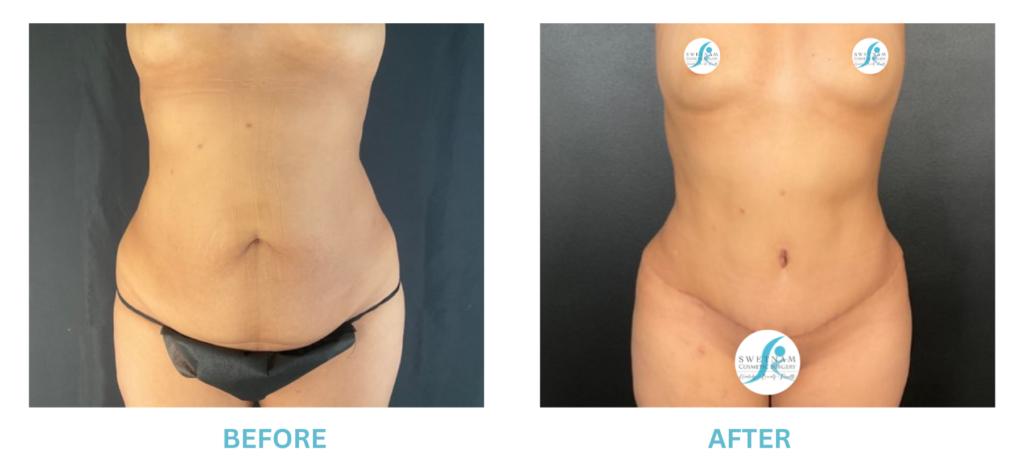
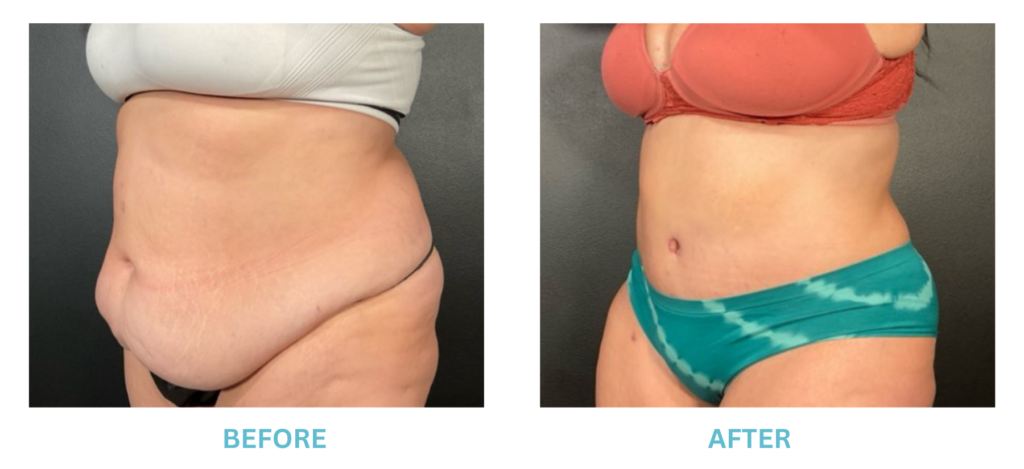
A tummy tuck is a surgical procedure designed to remove excess abdominal skin, repair weakened or separated muscles, and create a more contoured silhouette. For women who’ve had a cesarean section, it also offers the benefit of incorporating or improving the appearance of the original surgical scar.
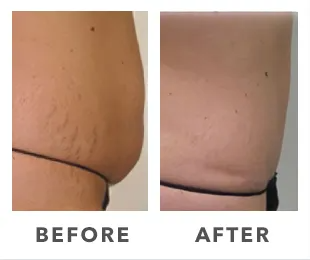
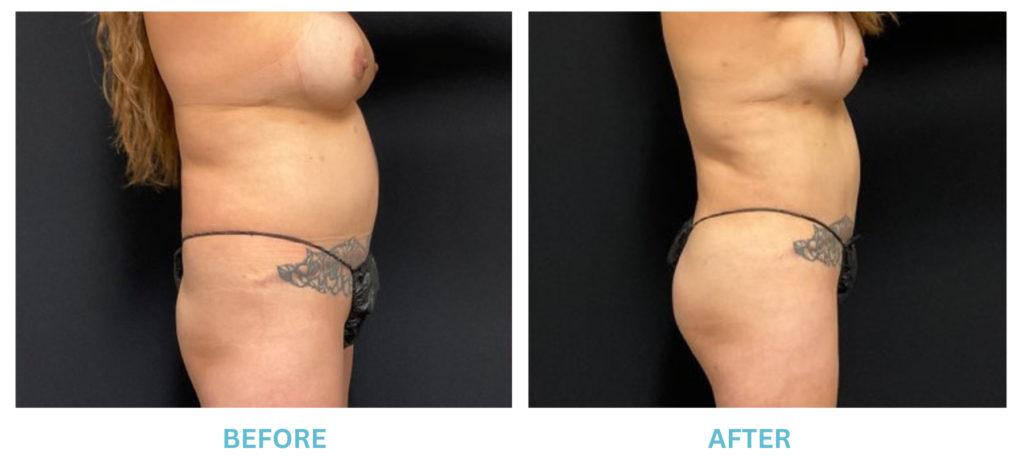
The incision made during an abdominoplasty is typically placed lower than a C-section scar and may be designed to replace that scar with one that is more refined and easier to conceal. This is especially important for patients who experience the common “C-section shelf,” caused by tissue accumulation above the incision line.
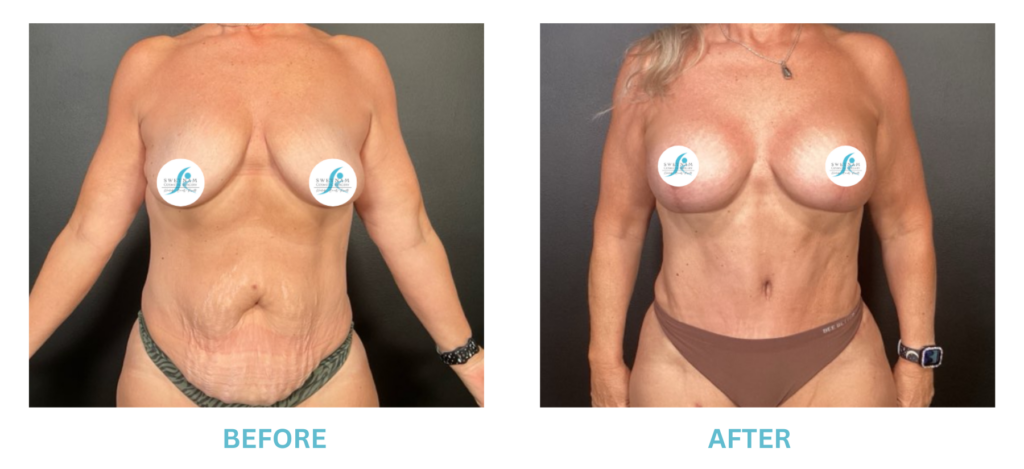
At Swetnam Cosmetic Surgery, every abdominoplasty includes a detailed assessment of scar placement and muscle strength. When needed, muscle repair (known as rectus plication) is performed to address diastasis recti, a condition where abdominal muscles have stretched apart due to pregnancy. This repair restores strength and flattens the abdomen from the inside out.
Postpartum Body Changes: A Tummy Tuck Can Support
Pregnancy and delivery affect far more than the skin surface. While exercise and nutrition are essential, they don’t always resolve the deeper changes that occur during and after pregnancy. These include:
- Diastasis Recti: A widening of the abdominal muscles along the midline, leading to core weakness and a persistent abdominal bulge
- Loose or Overstretched Skin: Often around the lower abdomen and waistline, especially following multiple pregnancies
- Stubborn Fat Pockets: Concentrated above the C-section scar or around the flanks, often resistant to diet
- Stretch Marks: Especially those below the navel, which may be removed along with excess skin during a tummy tuck
To guide your treatment, we may recommend an InBody 380 scan, a high-precision body composition analysis that identifies visceral fat, muscle mass, and hydration levels. This data enhances both surgical planning and long-term wellness outcomes.

Full vs Mini Tummy Tuck: Which is Right After Pregnancy?
Choosing between a full and mini tummy tuck depends on several factors, including the amount of skin laxity, muscle separation, and the location of changes.
- A mini tummy tuck targets the lower abdomen only. It’s best suited for women with minimal loose skin and no significant muscle separation. The incision is smaller, and recovery may be shorter.
- A full tummy tuck addresses the entire abdominal wall, removing skin and fat from both upper and lower areas, and repairing muscle separation from the ribcage to the pubic bone. This approach is ideal for women with diastasis recti or more visible skin changes after multiple pregnancies.
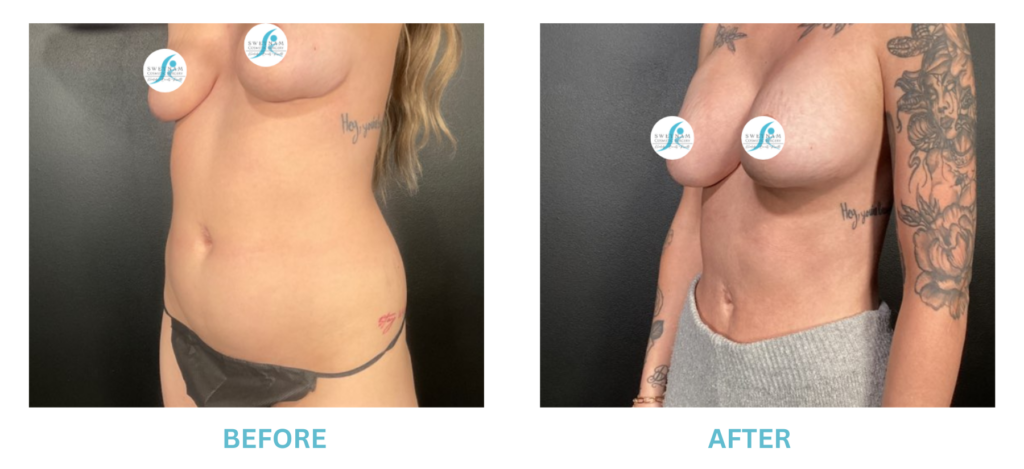
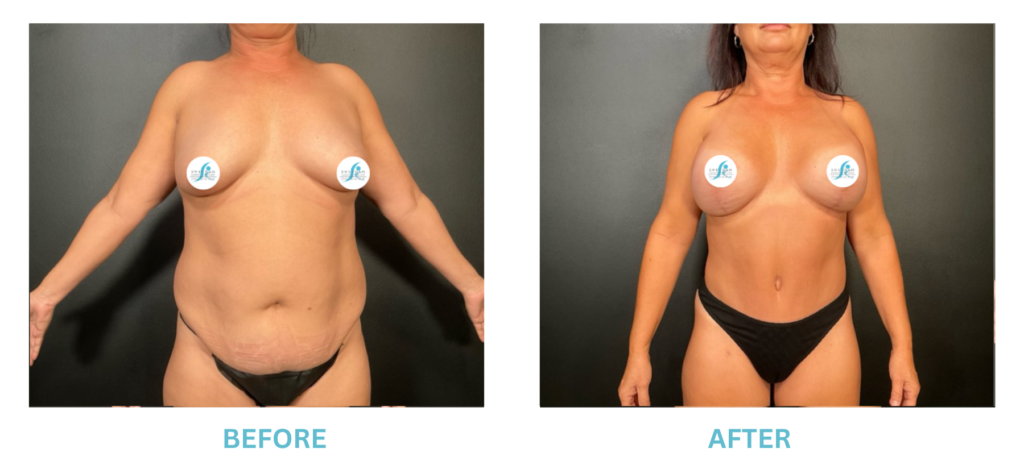
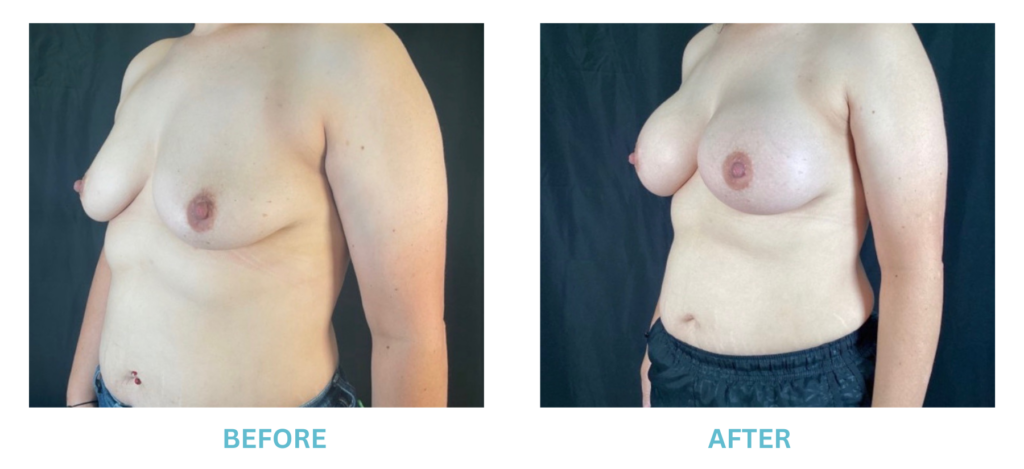
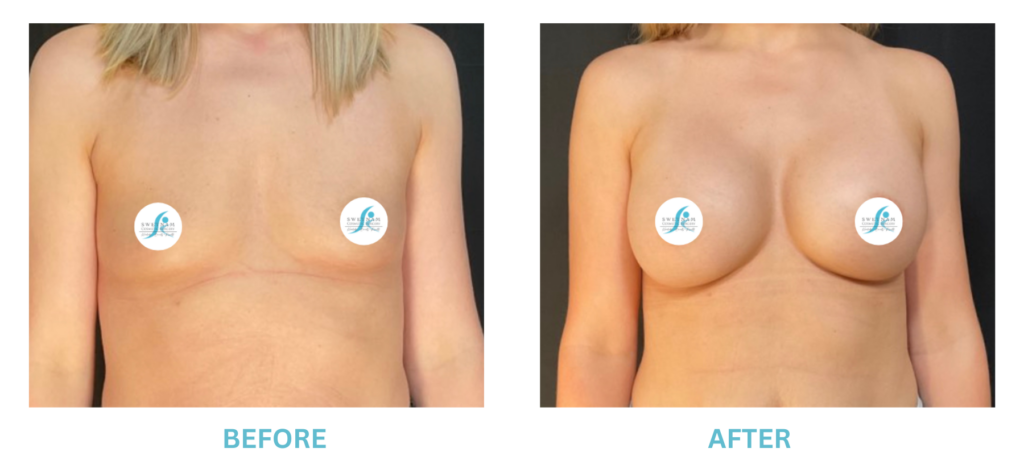
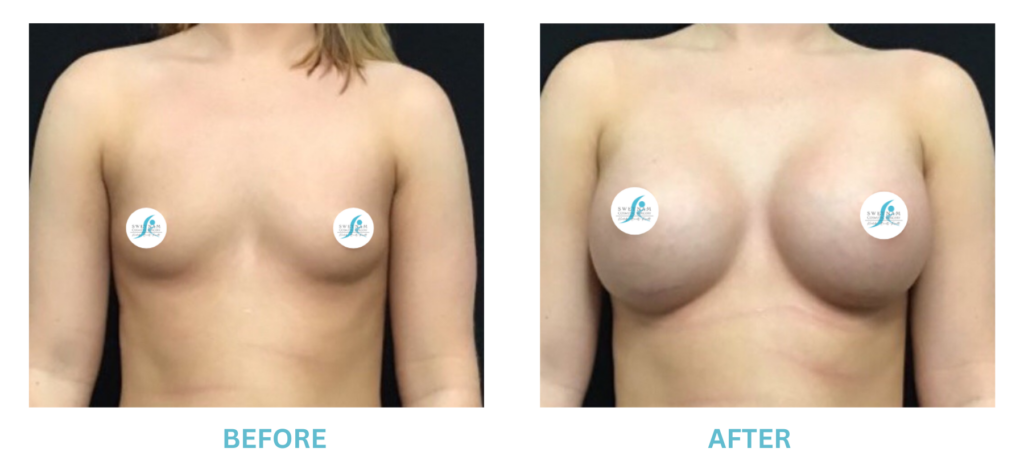
During your consultation, Dr. Swetnam will help determine which option aligns with your goals. We also offer Mommy Makeover procedures for patients looking to combine breast or liposuction services with their tummy tuck in a single, customized plan.
Can a Tummy Tuck Improve the Appearance of a C-Section Scar?
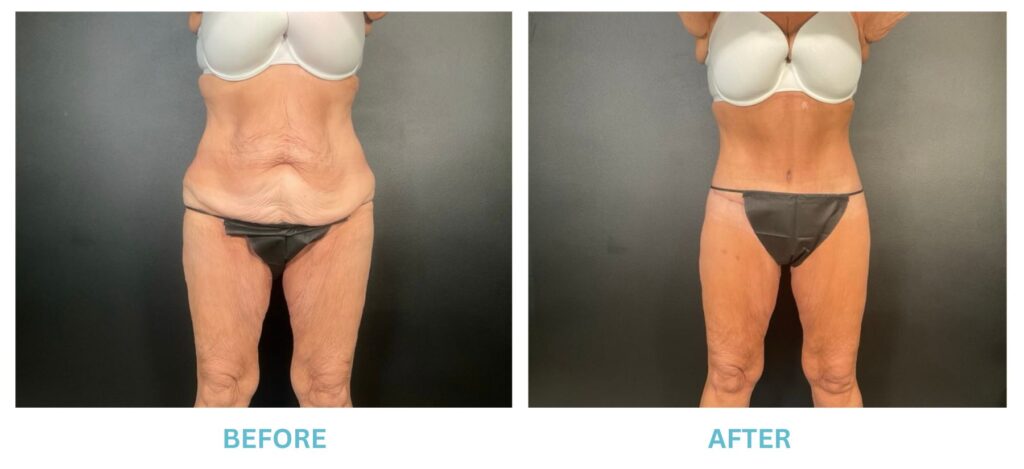
Yes, in many cases, a tummy tuck can revise the scar from a previous cesarean delivery. The new incision is carefully planned and placed lower on the abdomen, and the skin above the C-section scar is typically removed. This means the original scar may be excised entirely, leaving behind one horizontal incision that sits flatter and heals more smoothly under clothing.
At Swetnam Cosmetic Surgery, we prioritize scar placement and healing strategies. Patients seeking additional skin refinement may benefit from Subnovii Plasma Pen or Secret RF microneedling treatments after healing to improve skin texture, reduce residual discoloration, and stimulate collagen production around the incision area.
When Is the Best Time for a Tummy Tuck After a C-Section?
Timing matters. For most women, it’s recommended to wait at least six months to one year after childbirth before moving forward with surgery. This window allows:
- The uterus returns to pre-pregnancy size
- Hormonal balance to stabilize
- Swelling to subside
- Breastfeeding is to be completed
- Weight to remain stable for several months
Waiting also ensures that your tissues have recovered from the physical demands of pregnancy and surgery. During this time, many women work with our medical weight loss team to reach their optimal BMI using tools like Semaglutide or Tirzepatide, as well as nutrition and body composition coaching.
What to Expect from Recovery (Especially for Moms)
Recovery after a tummy tuck requires time, rest, and a thoughtful plan, especially for women caring for young children. Most patients take 10 to 14 days away from work and daily routines, and need additional help at home during the first one to two weeks.
Here’s what you can expect:
- Week 1–2: You’ll wear a compression garment to minimize swelling and support the abdominal wall. Movement is encouraged but gentle; no lifting toddlers or pets during this phase.
- Week 3–4: Light activity can resume, though lifting restrictions remain. Swelling continues to reduce.
- Months 2–3: Core strength gradually returns. You’ll feel more mobile and may begin low-impact workouts if cleared.
- Months 4–6: Results become more visible as swelling resolves and skin adjusts to its new contour.
At Swetnam Cosmetic Surgery, we support your healing every step of the way. Out-of-town patients receive concierge-level recovery assistance, and those interested in optimizing results can explore post-op supplement protocols using pharmaceutical-grade options designed to support tissue repair and inflammation control.

Muscle Repair: Functional Healing Beyond Aesthetics
For many women, pregnancy leads to diastasis recti, the separation of the abdominal muscles that support your core. This condition not only affects your silhouette, it can also contribute to lower back pain, pelvic instability, and reduced core function.
During a full tummy tuck, Dr. Swetnam performs rectus muscle plication, bringing the abdominal wall back together and restoring strength to the midsection. This technique not only flattens the stomach, but it also creates a more supportive foundation for posture, balance, and daily movement.
We often recommend an InBody 380 analysis before surgery to assess the balance of fat, muscle, and water in the body. This allows us to track your transformation not only visually, but also functionally.
Are You a Good Candidate for a Tummy Tuck After C-Section?
Every woman’s journey after childbirth is different, which is why candidacy for a tummy tuck is evaluated individually. You may be a strong candidate if:
- You’re at a stable weight
- You’ve completed your family planning
- You’ve recovered fully from your C-section
- You’re a non-smoker
- You’re in overall good health
Dr. Swetnam also looks at factors such as muscle tone, skin elasticity, and body composition to design a tailored surgical plan. For those experiencing fatigue, stubborn weight retention, or hormonal shifts, our team may suggest complementary care like Evexipel® hormone therapy to help you feel more balanced before surgery.
Why Choose Swetnam Cosmetic Surgery for Your Tummy Tuck?
Choosing a surgeon is one of the most important decisions you’ll make on this journey. Dr. Jeffrey Swetnam brings over 20 years of experience and holds triple board certifications in cosmetic surgery, general surgery, and vascular surgery. His approach combines advanced technique with refined aesthetics, achieving elegant results while protecting your health and long-term wellness.
Swetnam Cosmetic Surgery is known throughout Northwest Arkansas and beyond for its concierge approach. From pre-surgical tech tools like VISIA skin analysis and InBody scans, to post-op care that includes recovery guidance, supplement planning, and scar management, we focus on more than the surgery. We focus on you.
Start Your Next Chapter at Swetnam Cosmetic Surgery
You’ve spent months caring for someone else. It’s time to care for you.
At Swetnam Cosmetic Surgery, we honor the strength it takes to bring life into the world, and we’re here to help you restore the confidence and comfort that may have been lost along the way.
Explore your personalized tummy tuck plan in Springdale today. Let’s reshape what healing looks like, on your terms, with expert care.
Frequently Asked Questions
Can I combine a tummy tuck with other procedures?
Yes. Many women choose to combine tummy tuck surgery with breast lift, liposuction, or fat transfer for a full-body rejuvenation. This approach, known as a Mommy Makeover, can be customized to your goals.
Will a tummy tuck remove stretch marks?
If stretch marks are located in the lower abdomen, the area of skin that is removed during surgery, they may be significantly reduced. However, marks outside that area will remain but can be softened with skin resurfacing treatments like Secret RF or laser therapy.
Does it hurt more than a C-section?
While discomfort levels vary, many women find tummy tuck recovery to be different, more centered around muscle tightness and core movement. Our team provides detailed pain management protocols to ensure your comfort.
How soon can I pick up my child?
We recommend waiting 4–6 weeks before lifting anything over 10 pounds. It’s important to arrange help during early healing so your repair isn’t compromised.
Is it safe to undergo surgery while breastfeeding?
You’ll want to wait until breastfeeding is complete. This allows your hormone levels to normalize and ensures your body is ready for safe anesthesia and optimal healing.