


When people think about facial rejuvenation, they often picture smoothing wrinkles or adding volume to one specific area. But a naturally refreshed appearance rarely comes from treating just a single feature. As we age, changes happen throughout the face: volume gradually decreases, facial contours shift, and repeated muscle movement creates expression lines. Looking at only one concern can sometimes leave the overall result feeling incomplete.
That’s why facial balancing has become one of the fastest-growing approaches in aesthetic medicine. Rather than focusing on one wrinkle or one feature, facial balancing considers how different areas of the face work together. By strategically combining Botox and dermal fillers, providers can address movement and volume in ways that support overall facial harmony while preserving your natural appearance.
If you’ve ever wondered why some injectable results look effortlessly refreshed instead of obviously treated, continue reading. Understanding what contour harmony really means may change the way you think about facial rejuvenation.
What Is Facial Balancing?
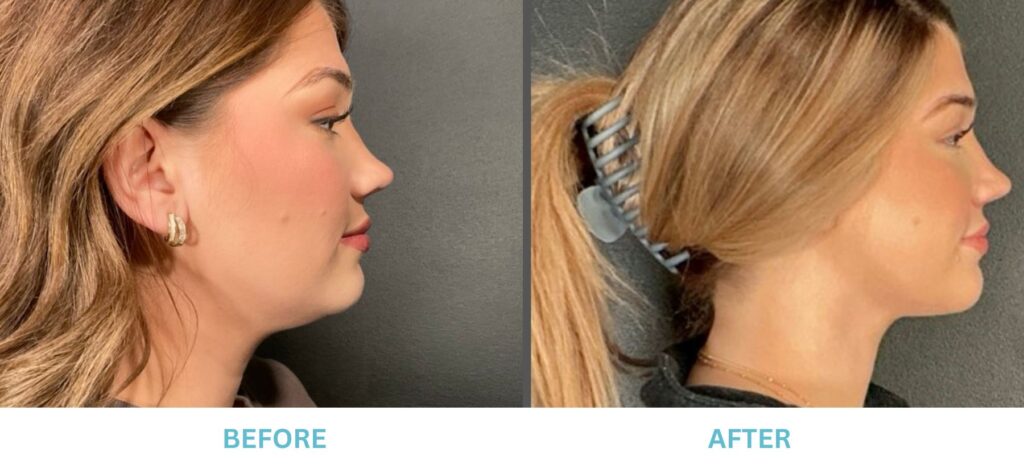
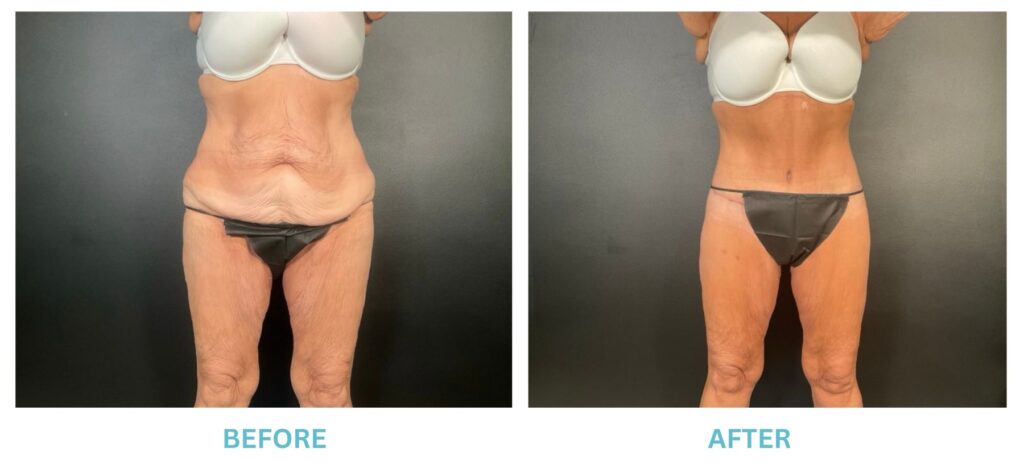
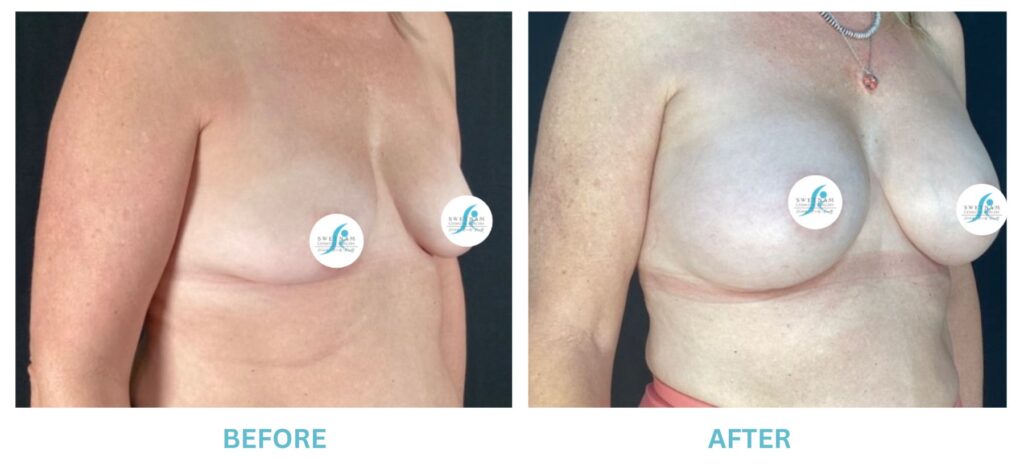
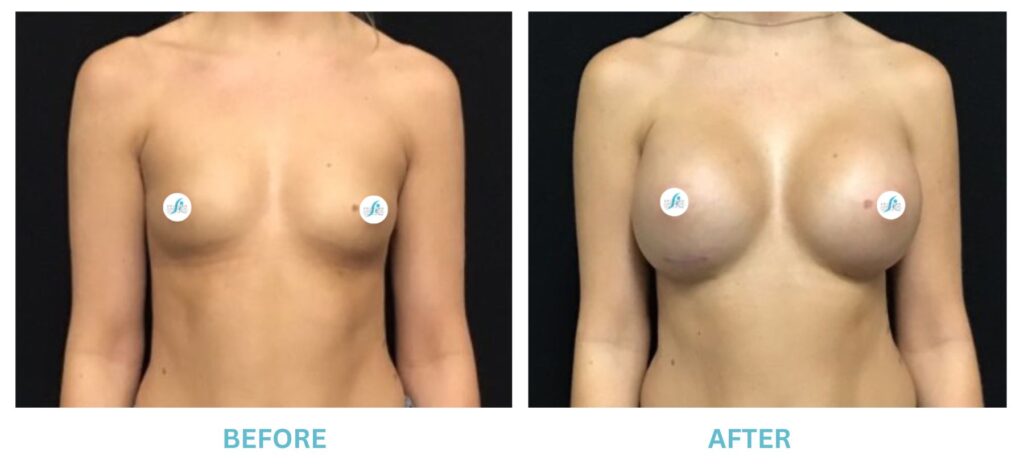
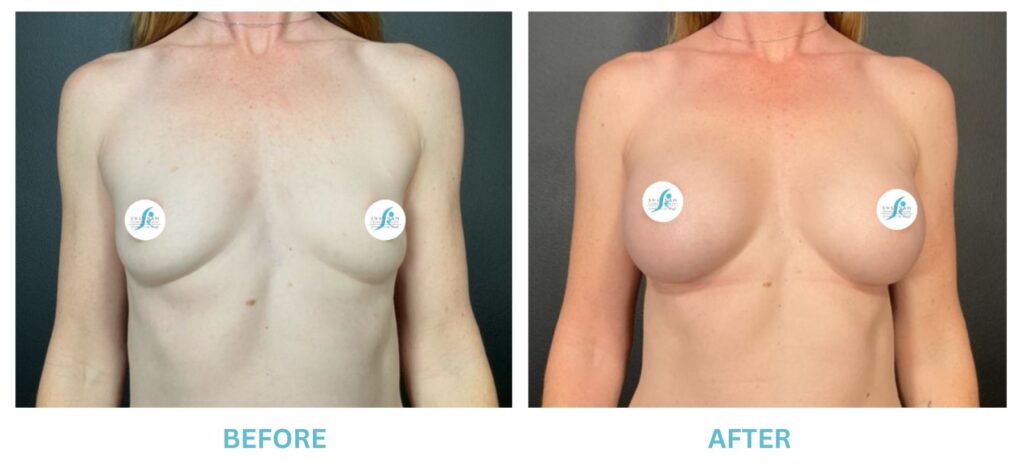
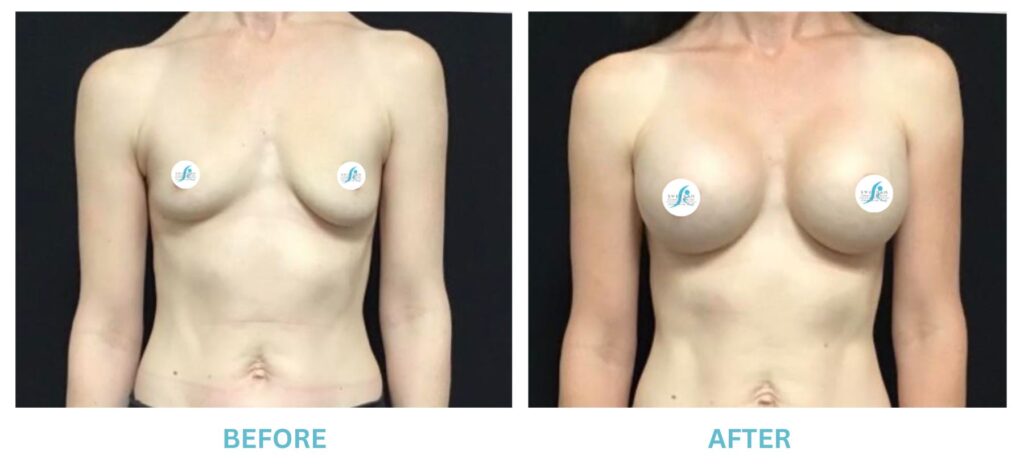
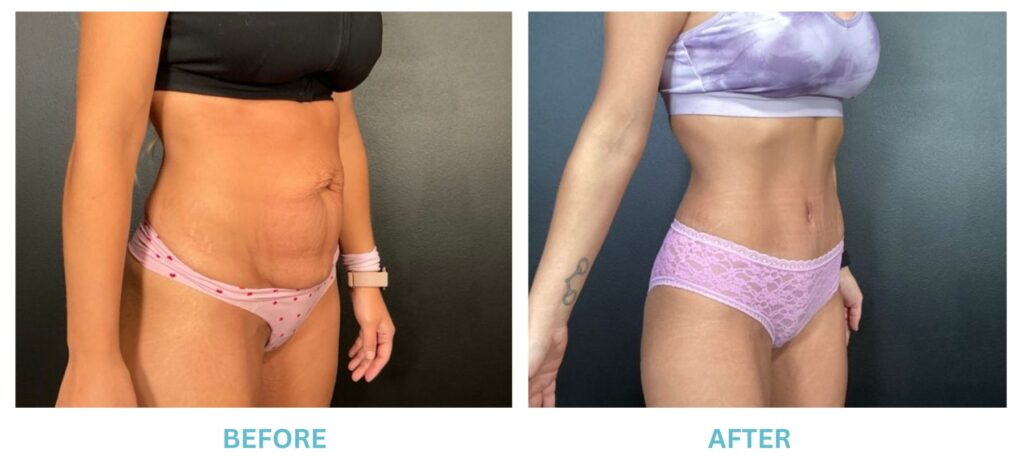
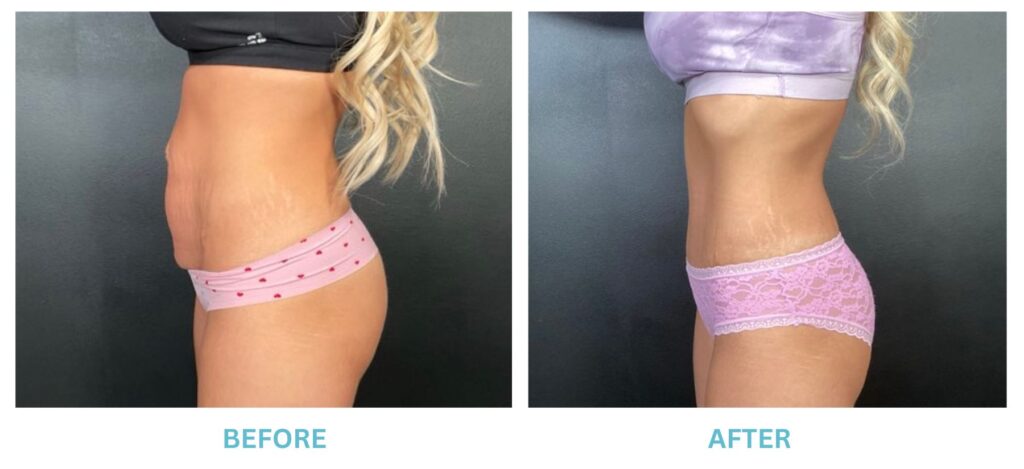
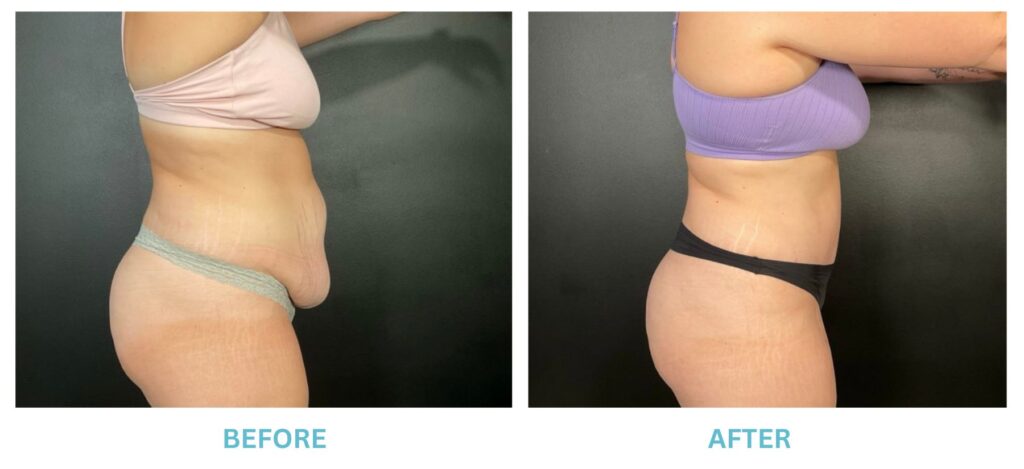
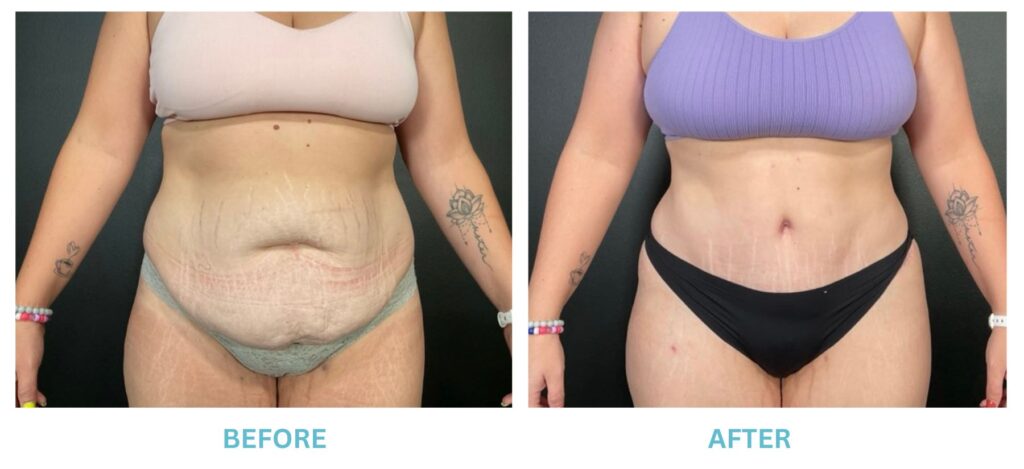
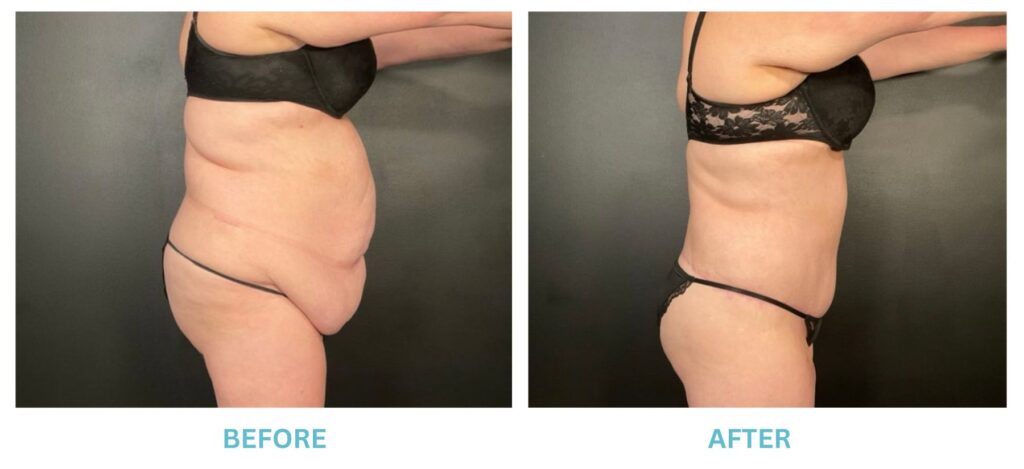
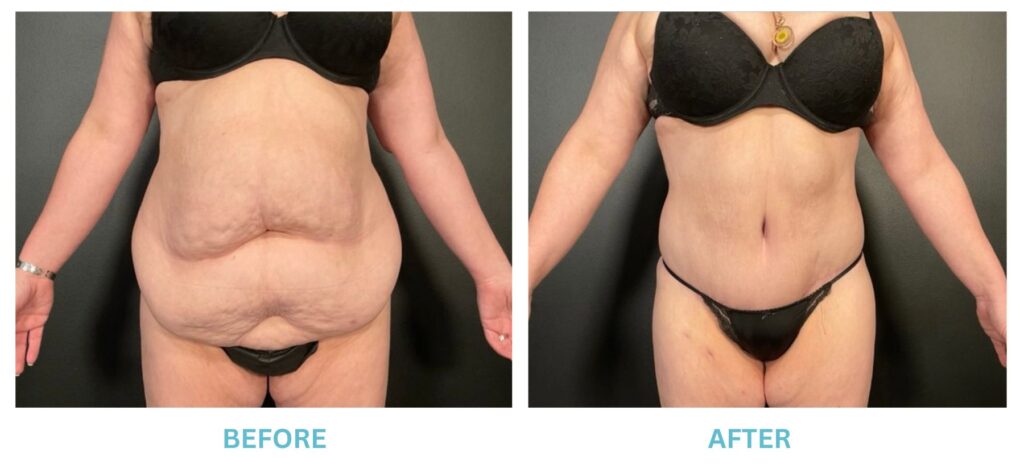
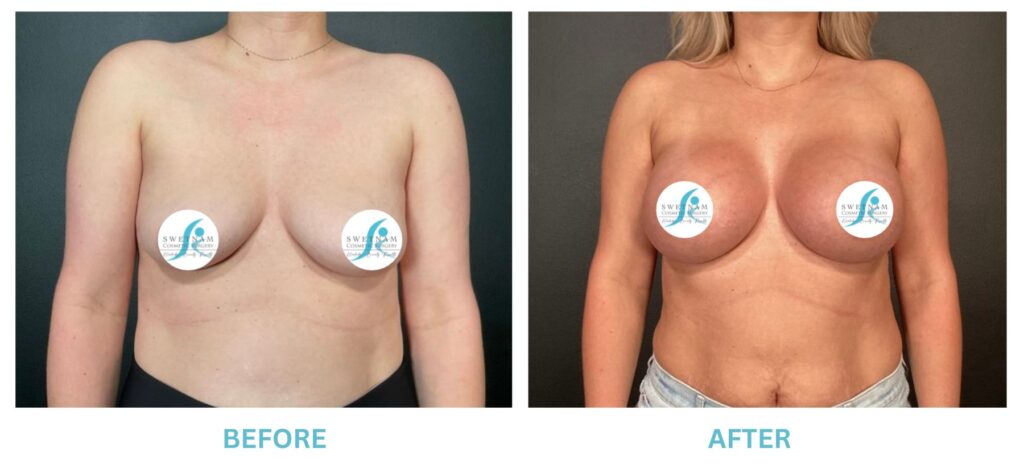
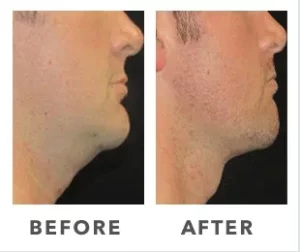
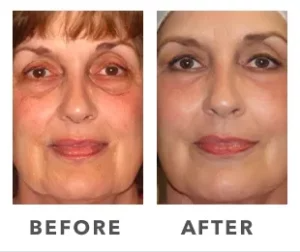
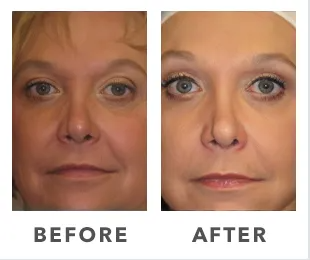
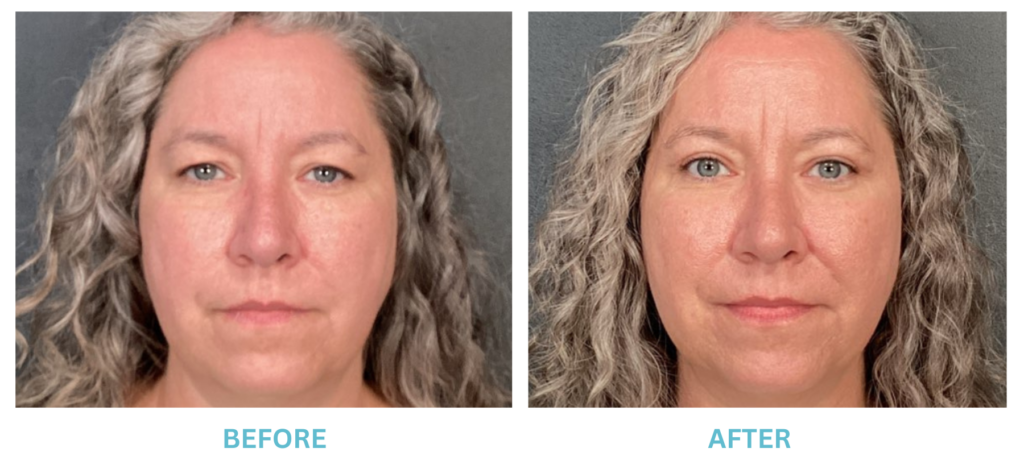
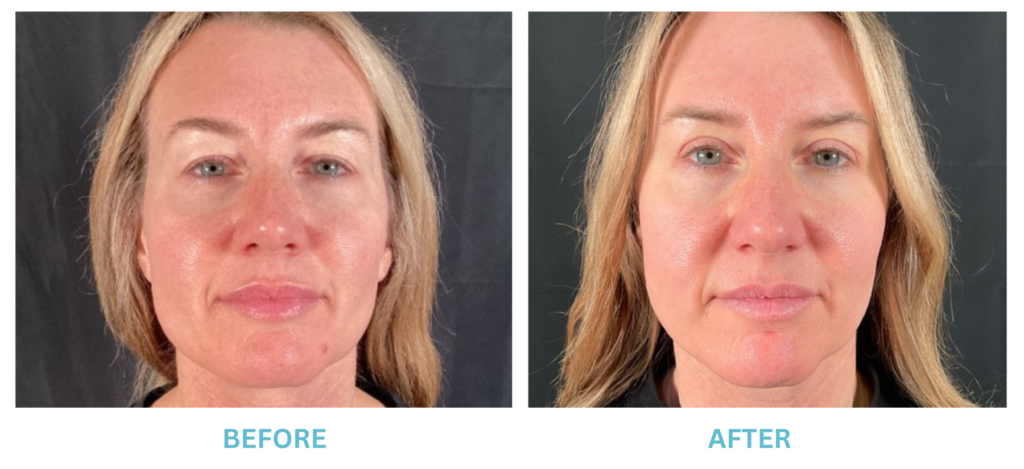
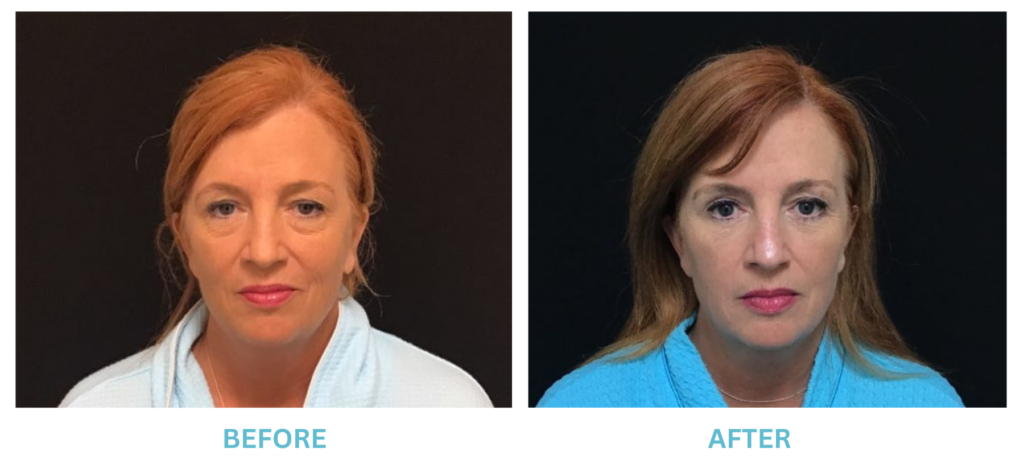
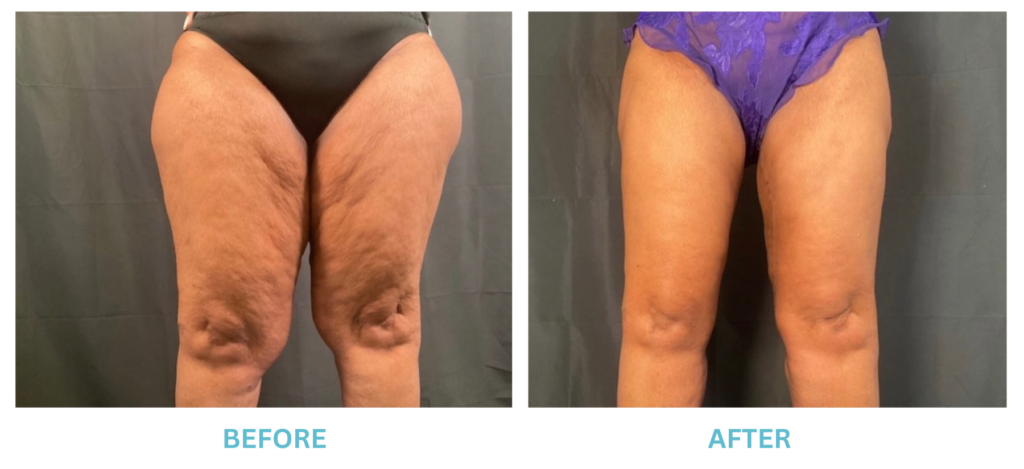
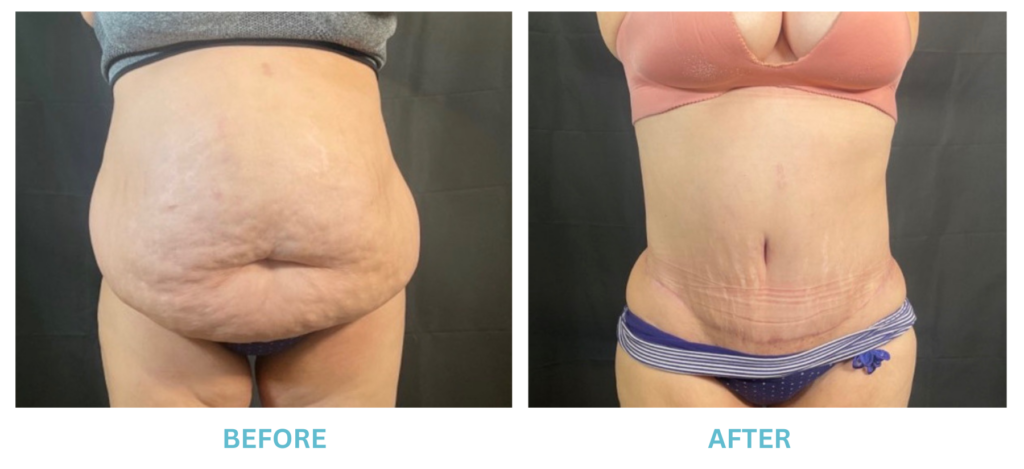
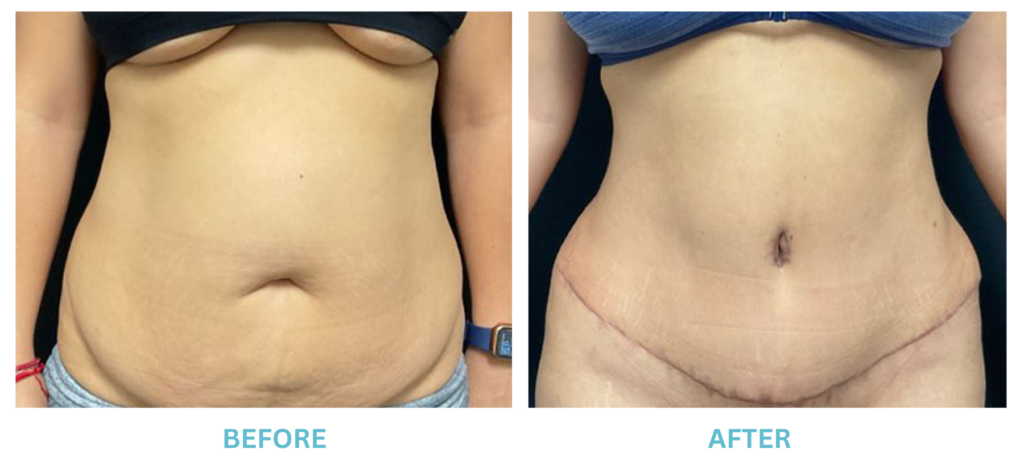
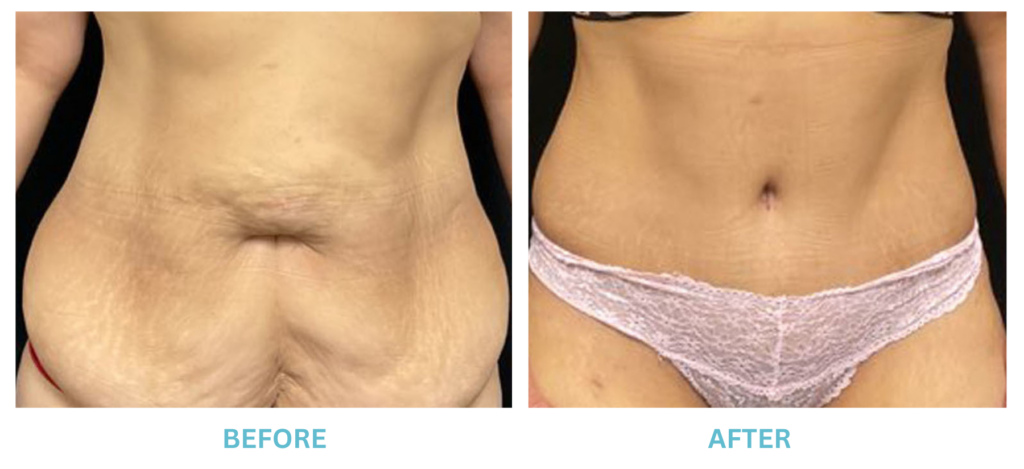
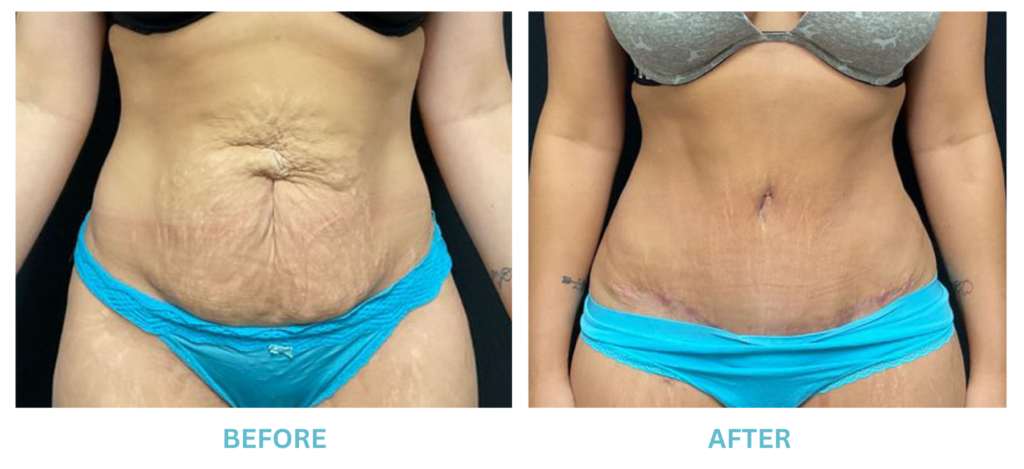
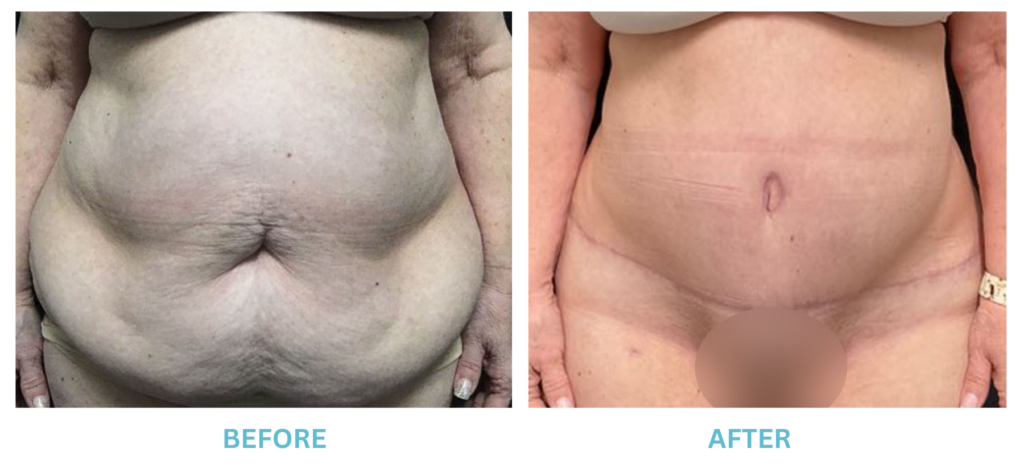
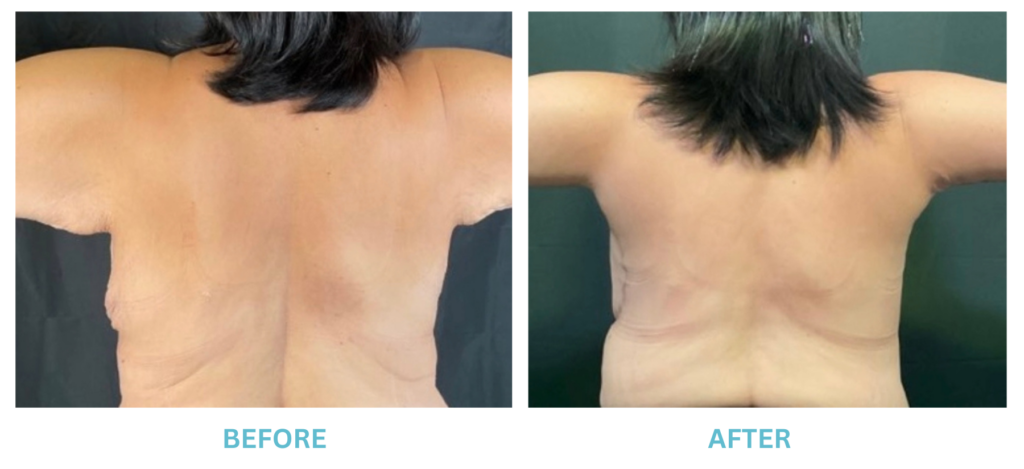
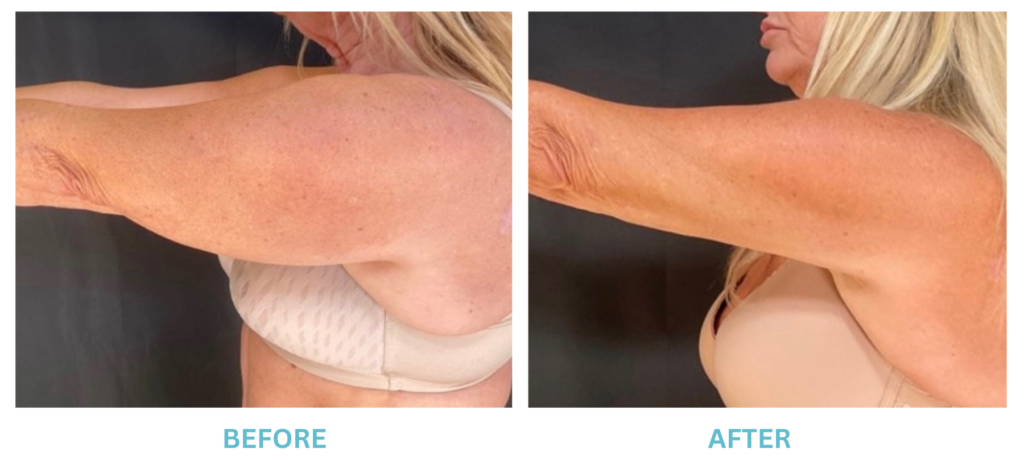
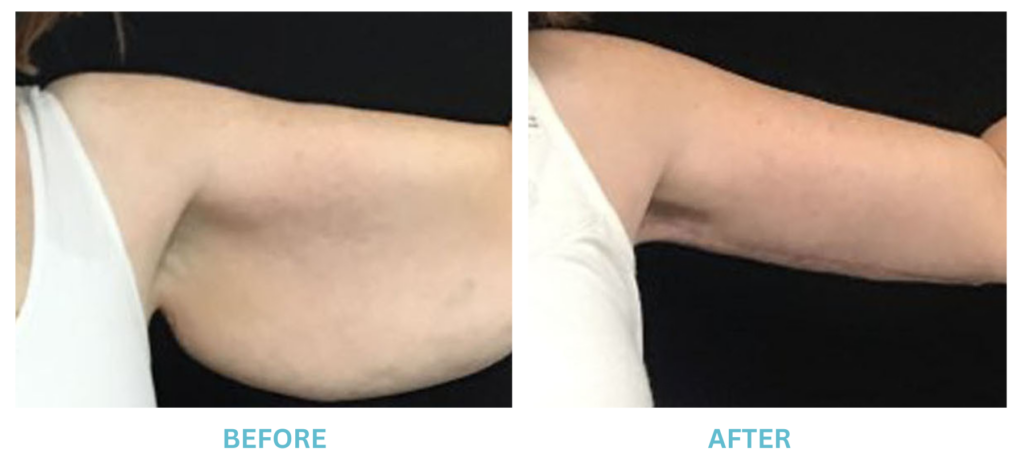
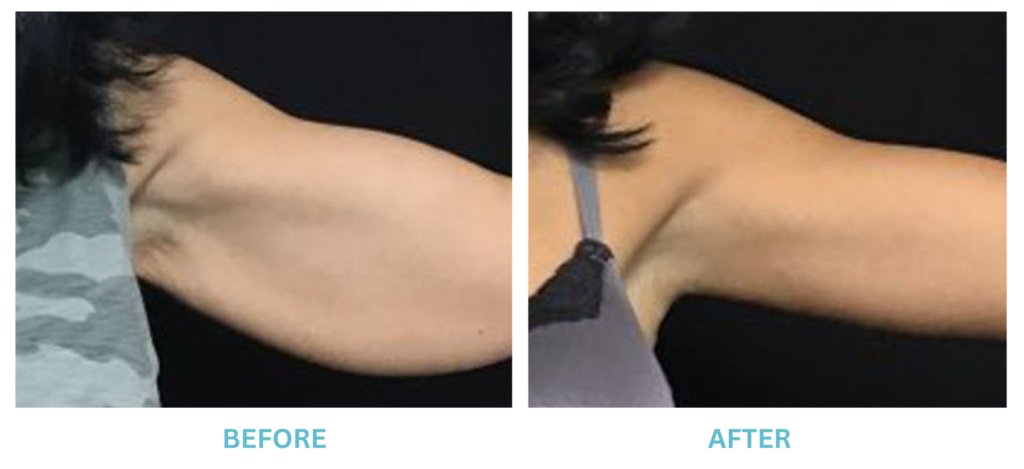
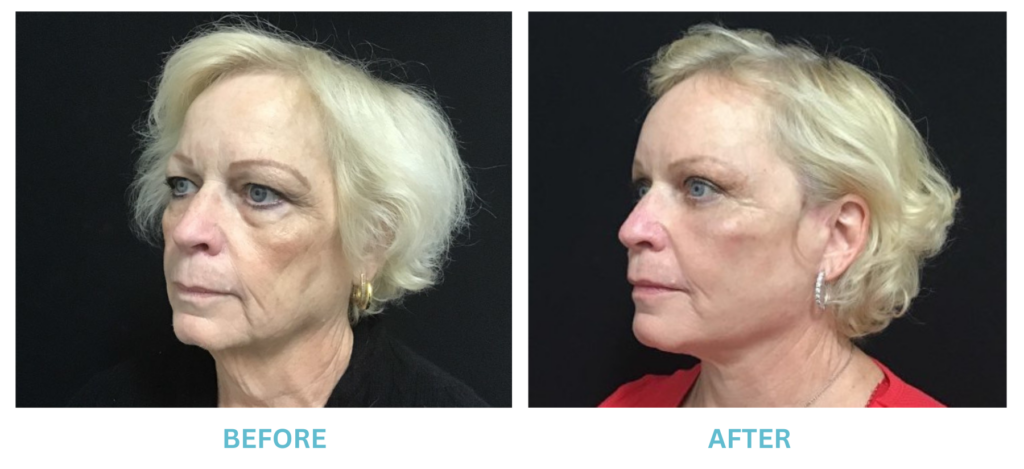
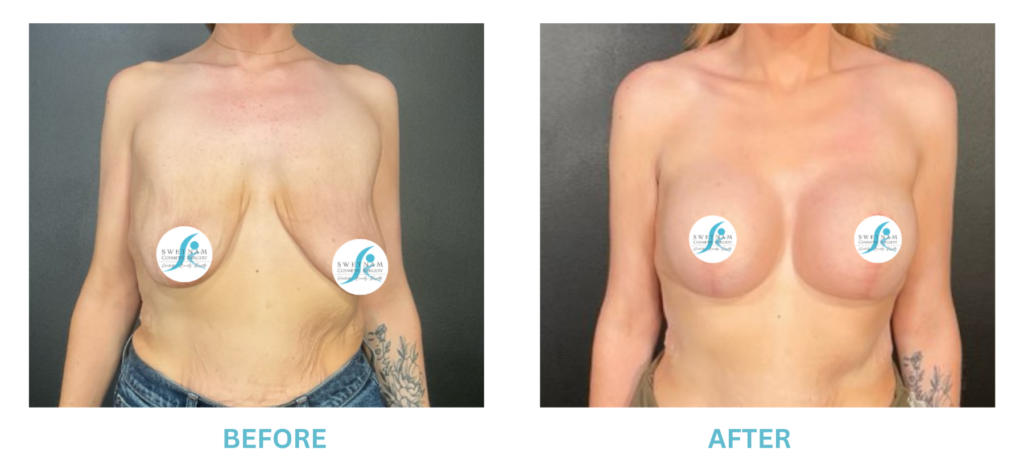
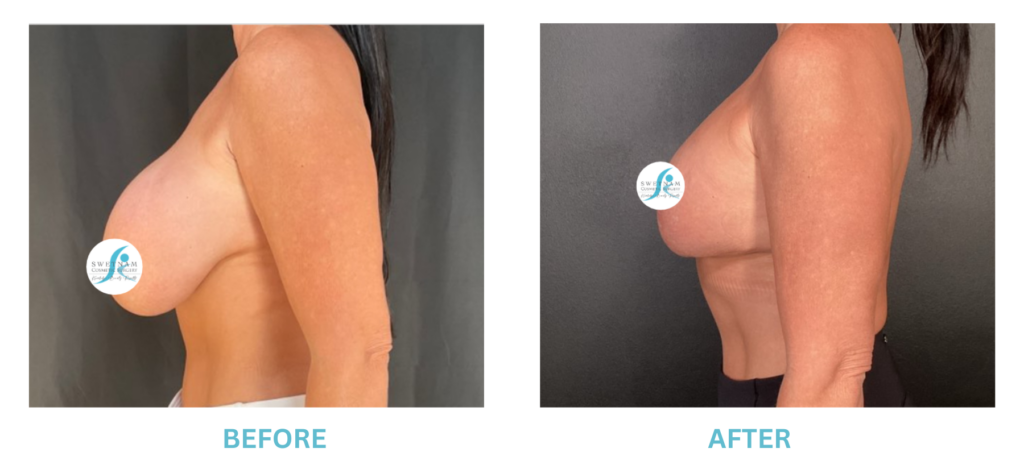
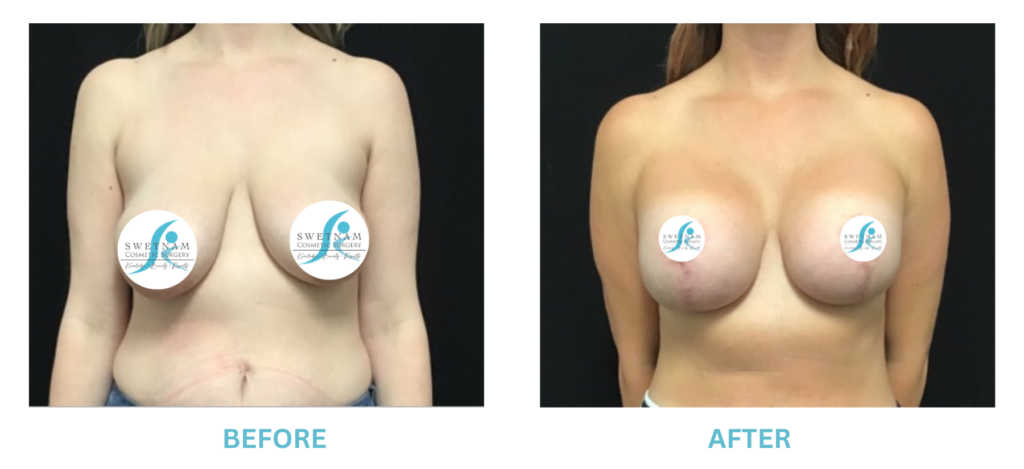
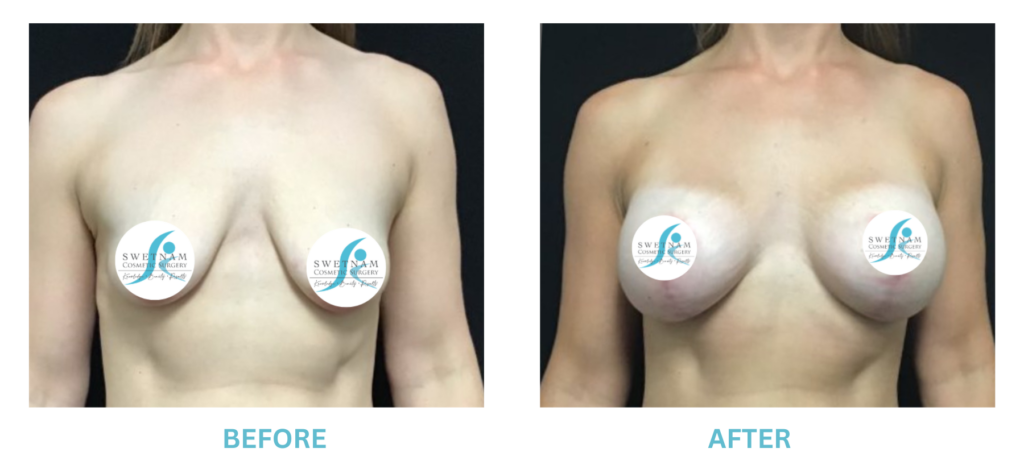
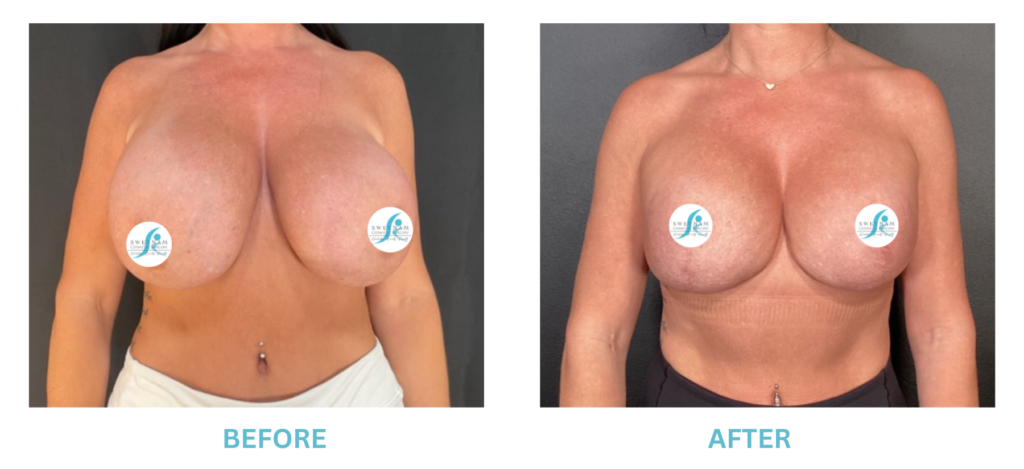
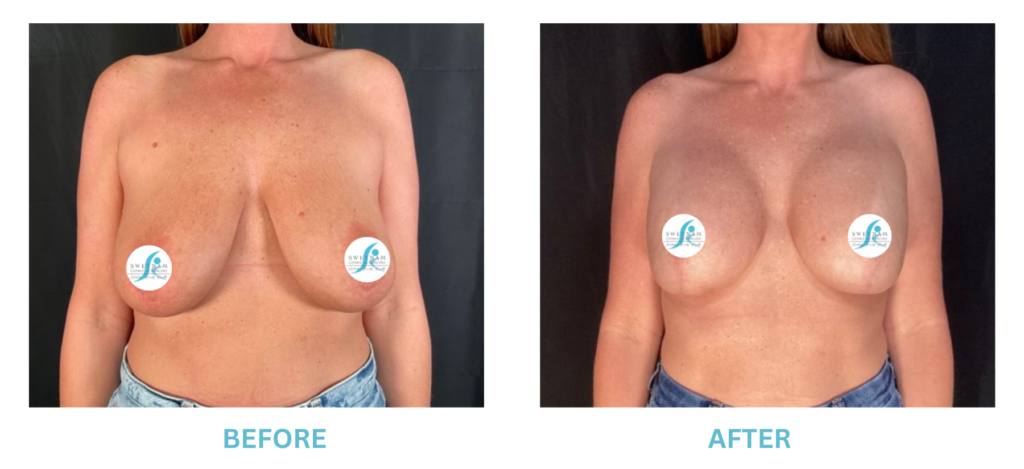
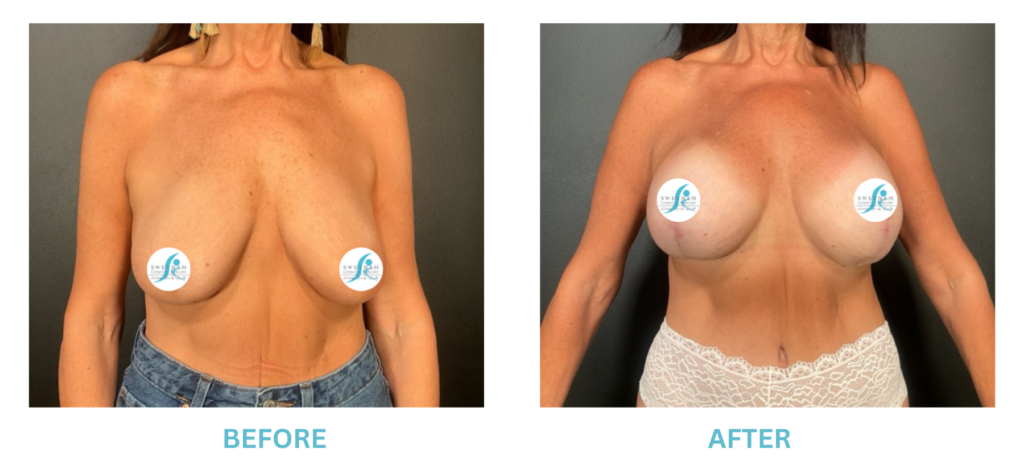
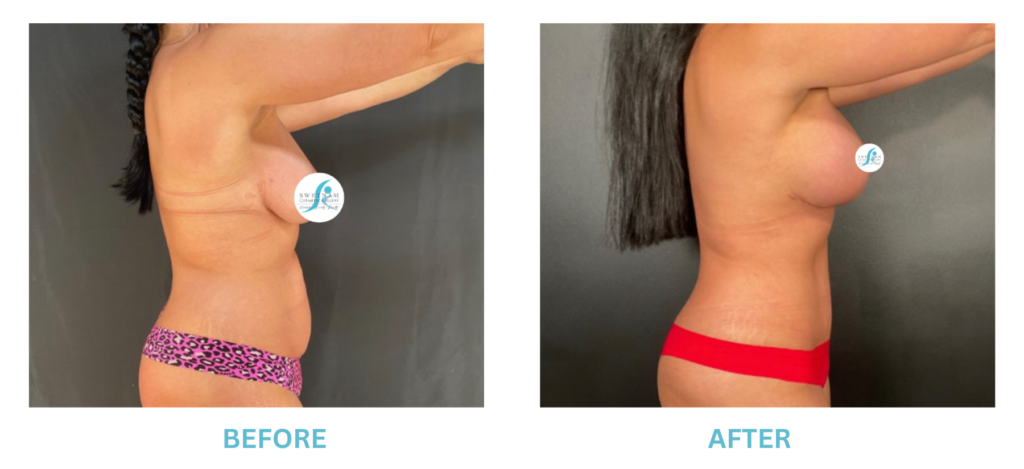
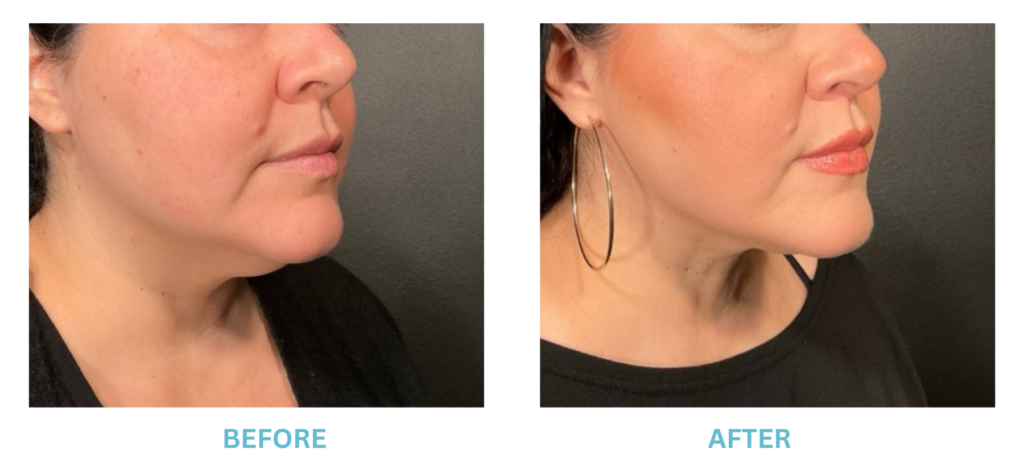
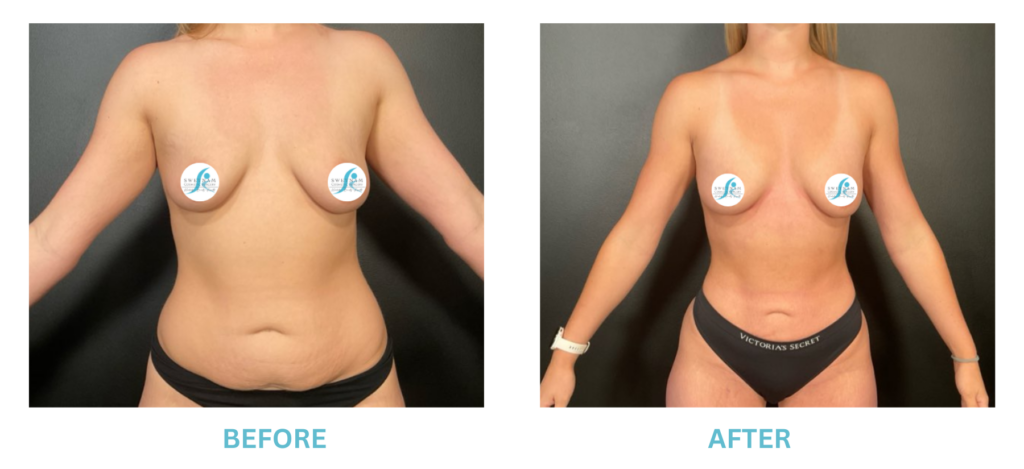
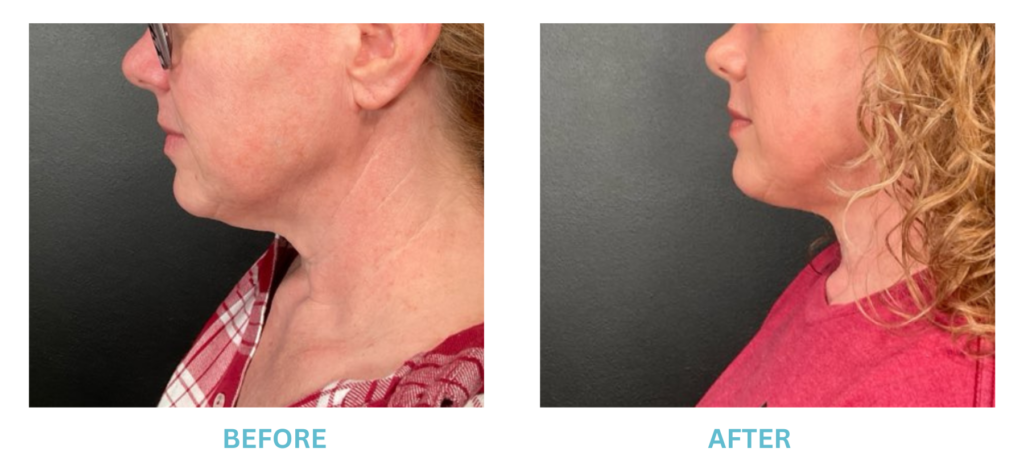
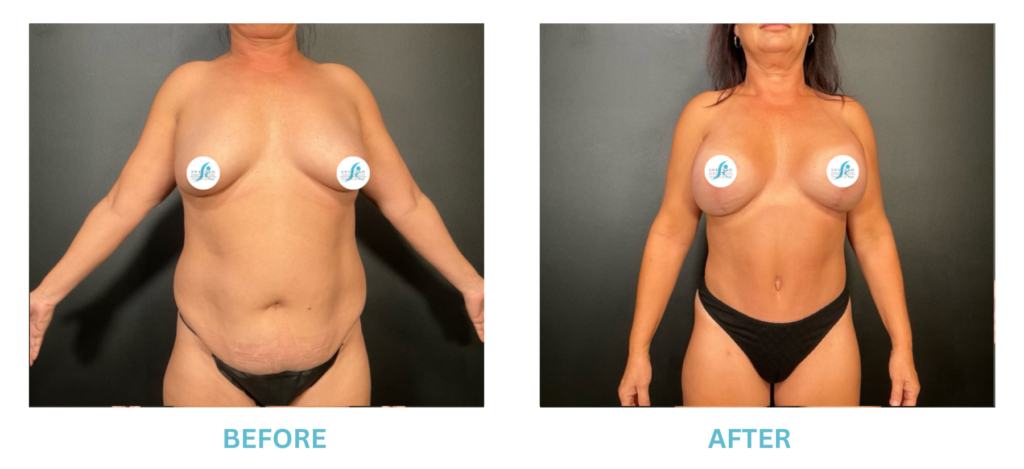
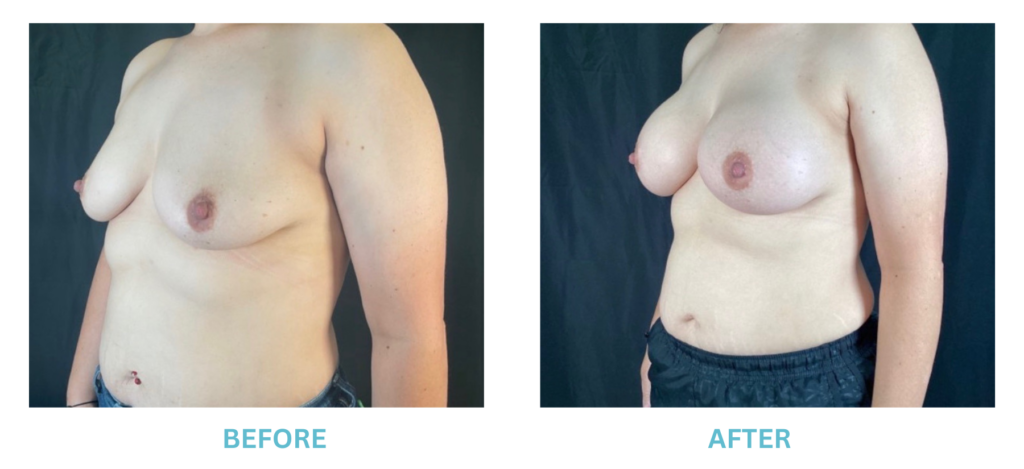
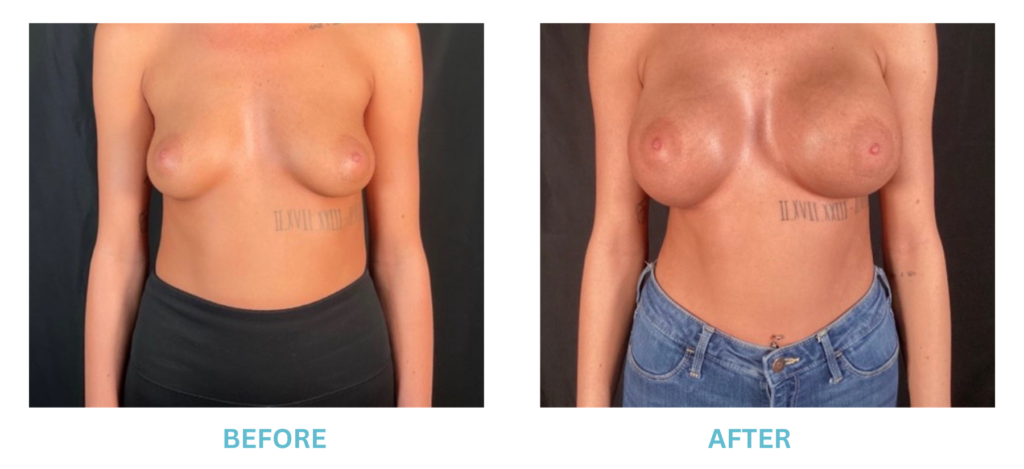
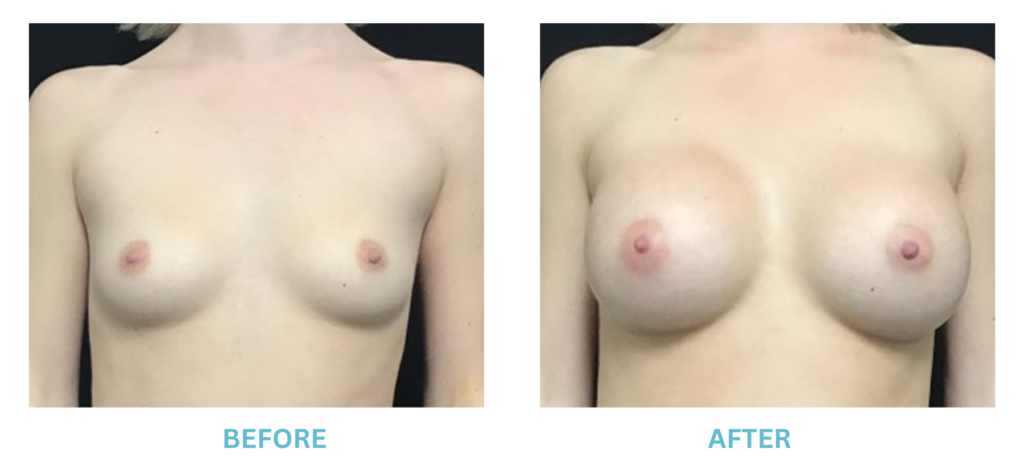
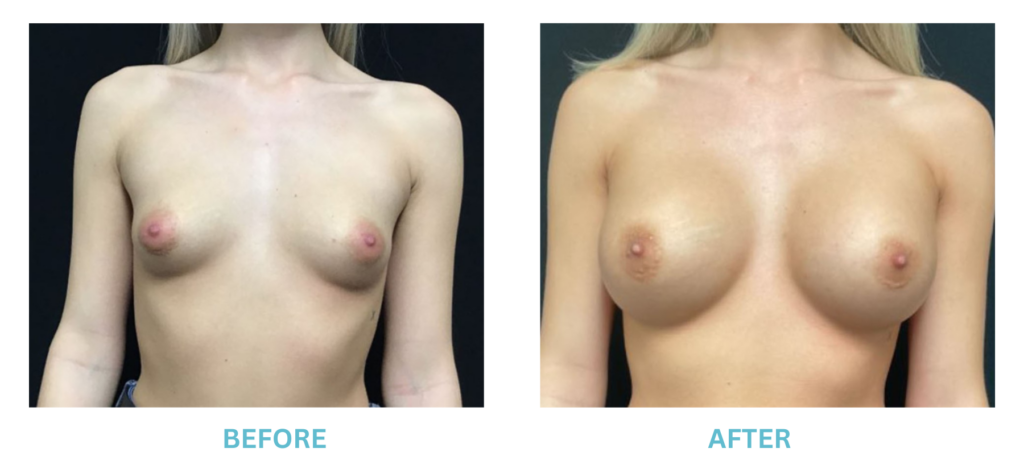
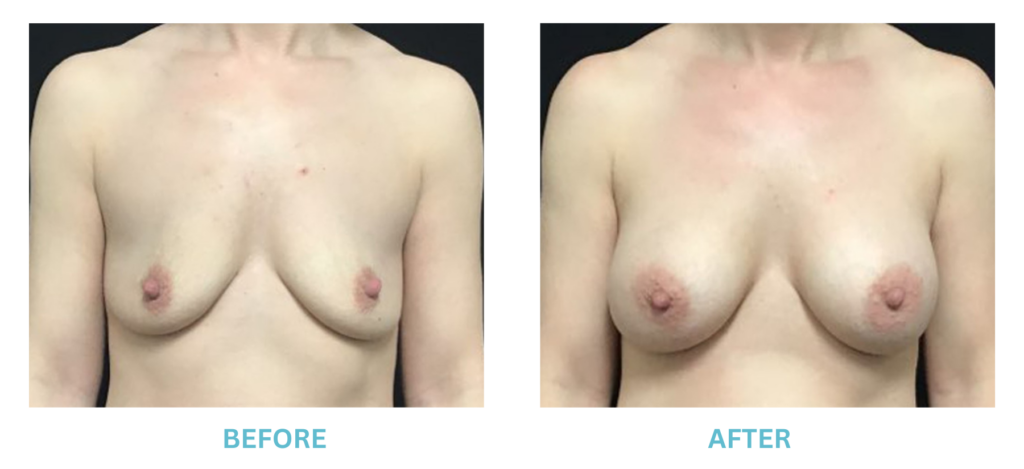
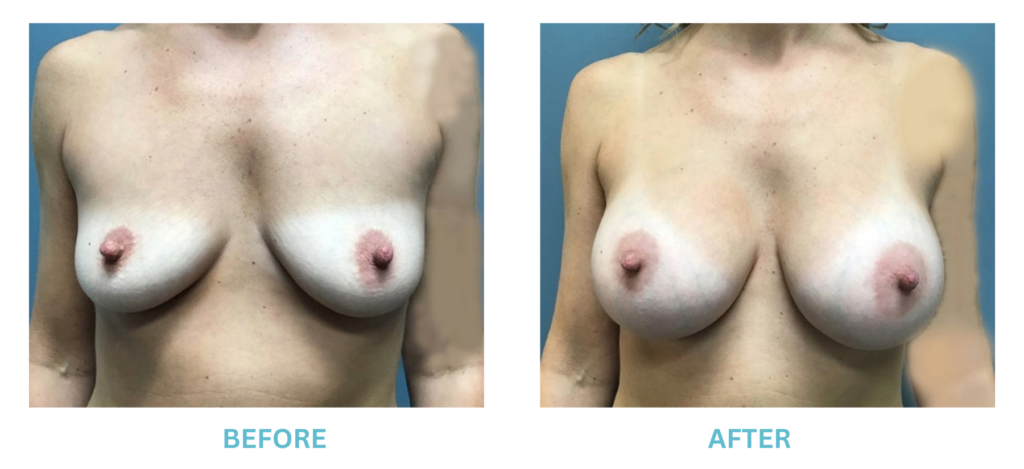
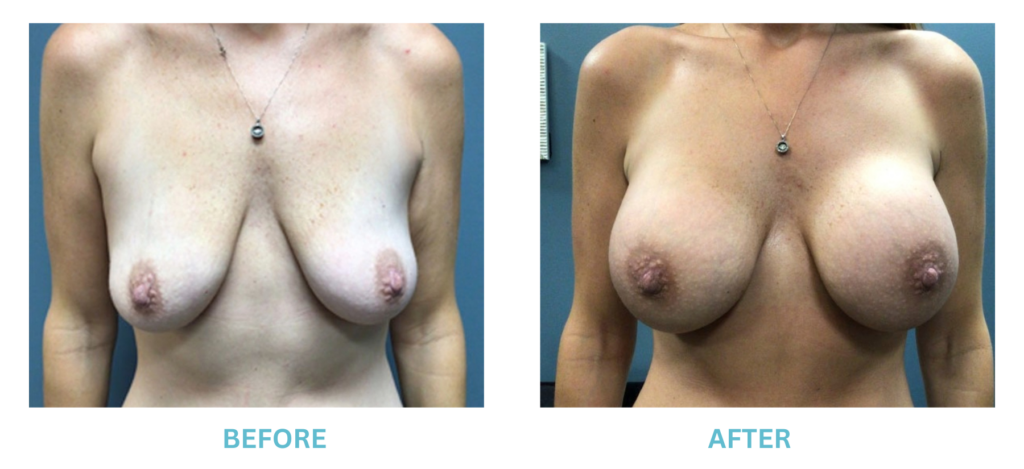
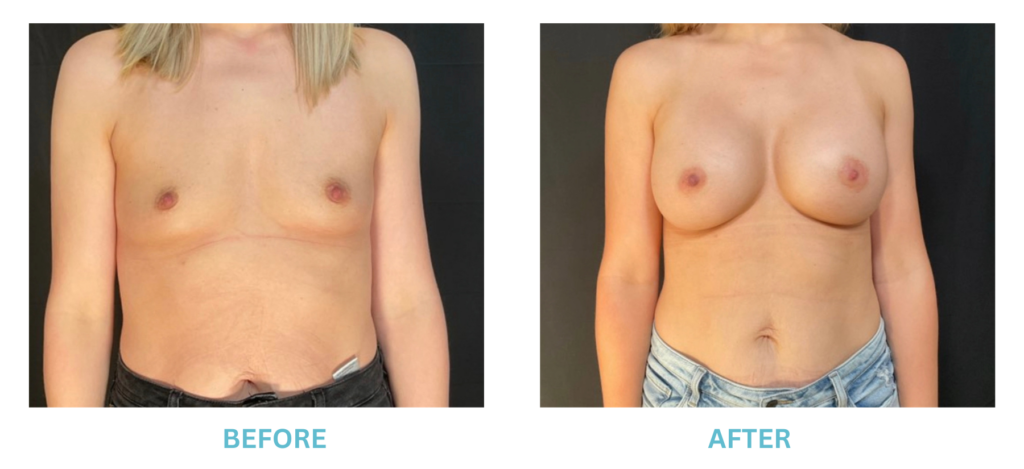
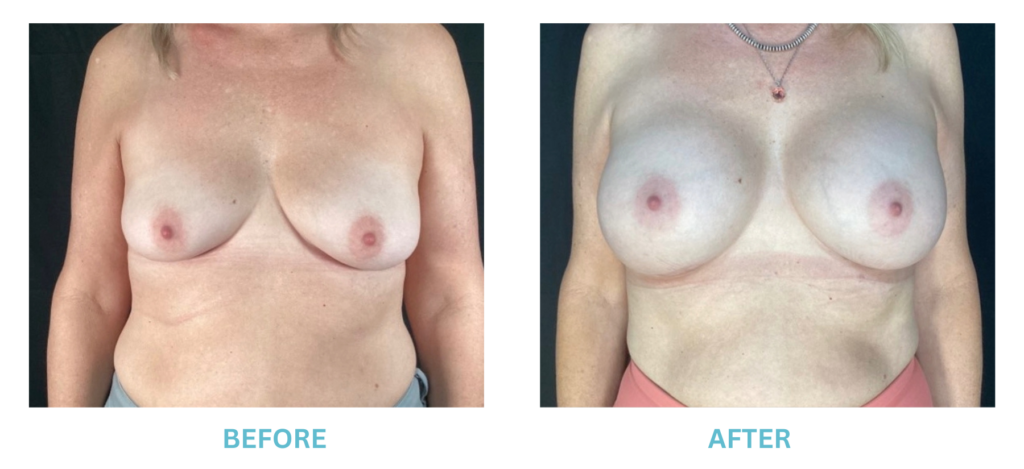
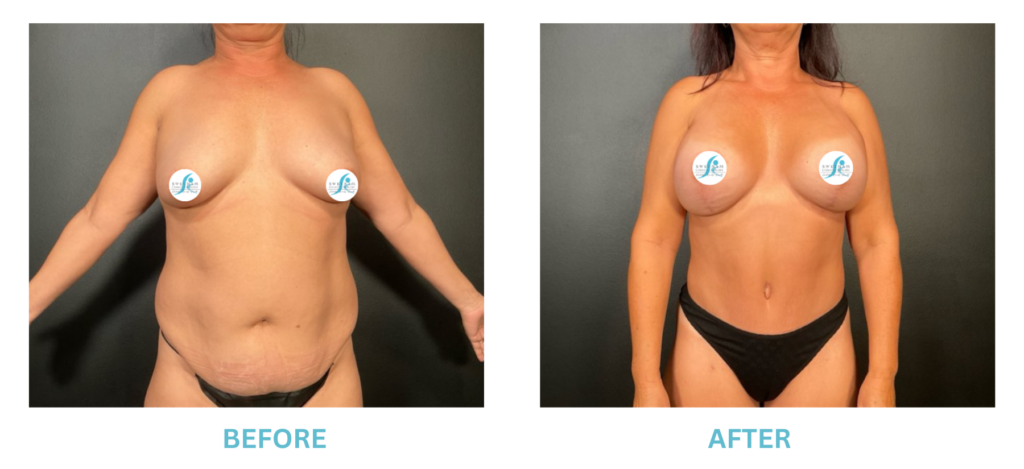
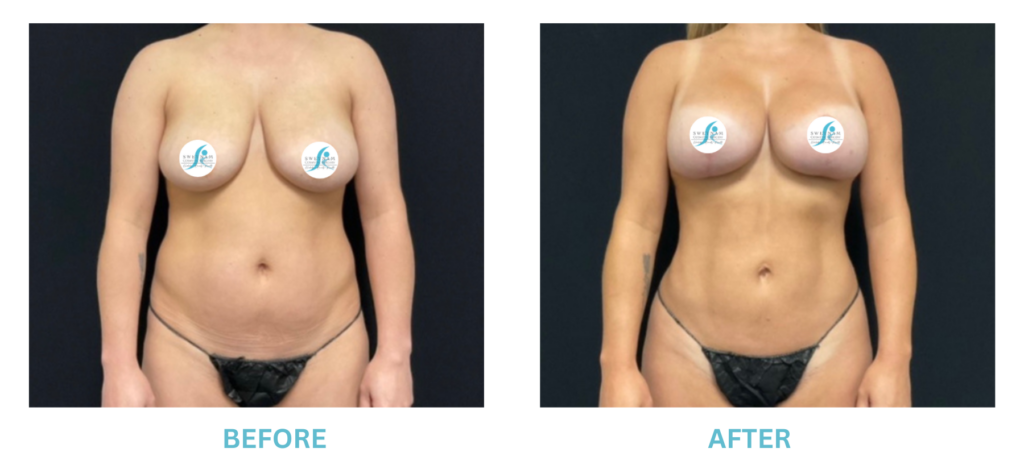
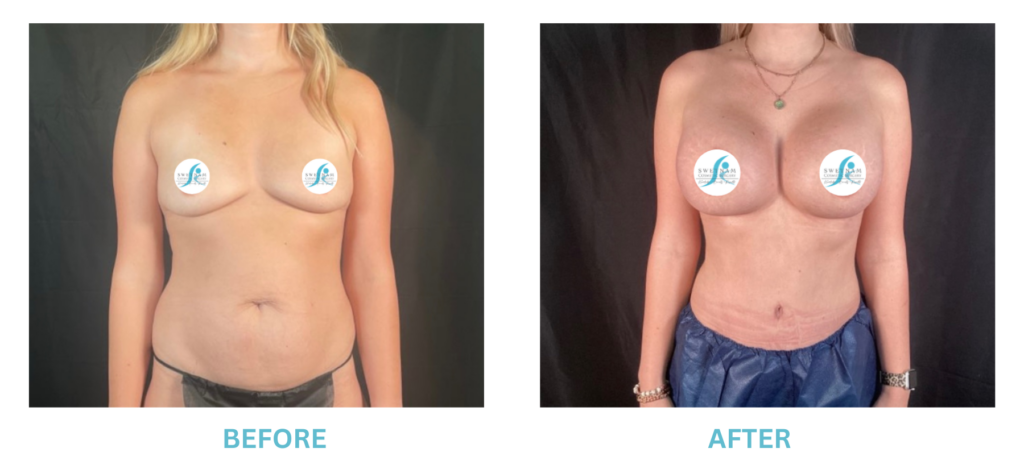
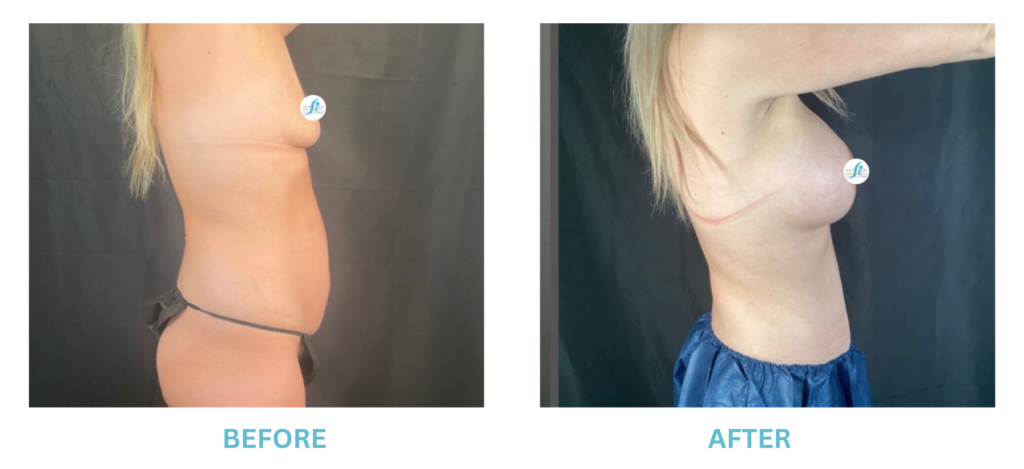
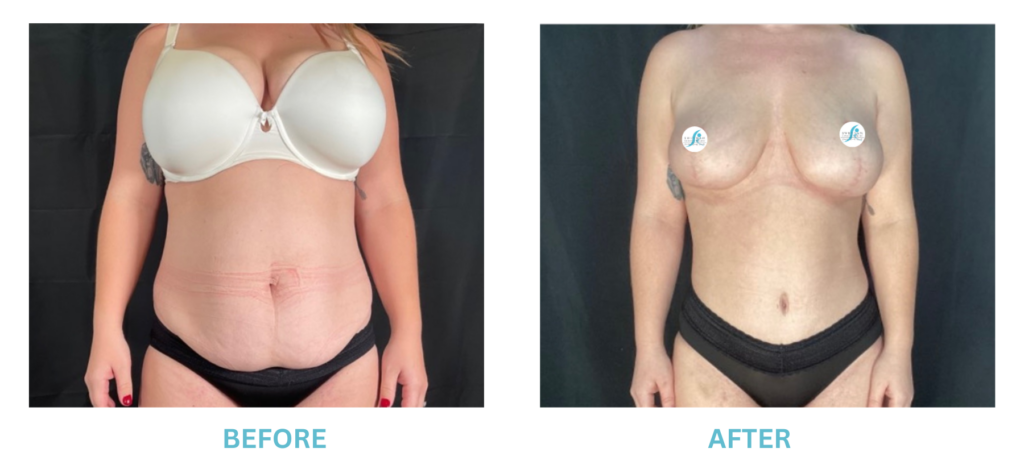
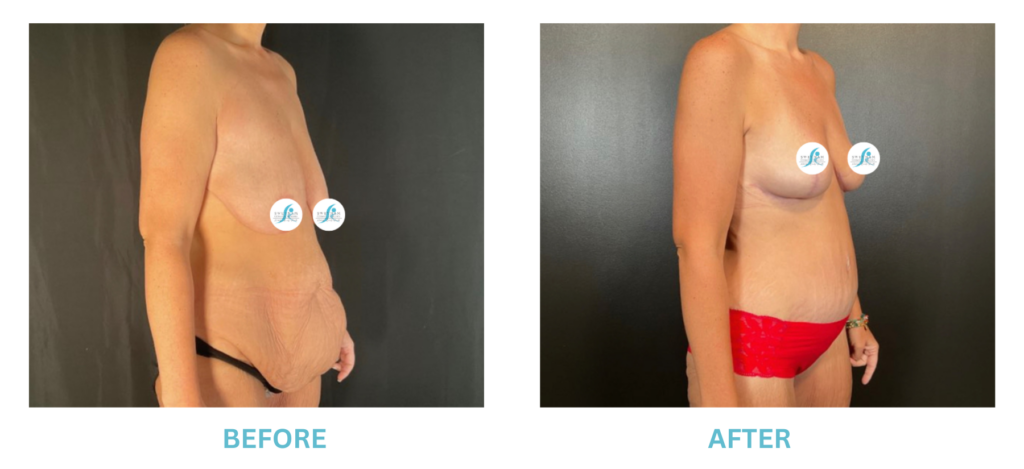
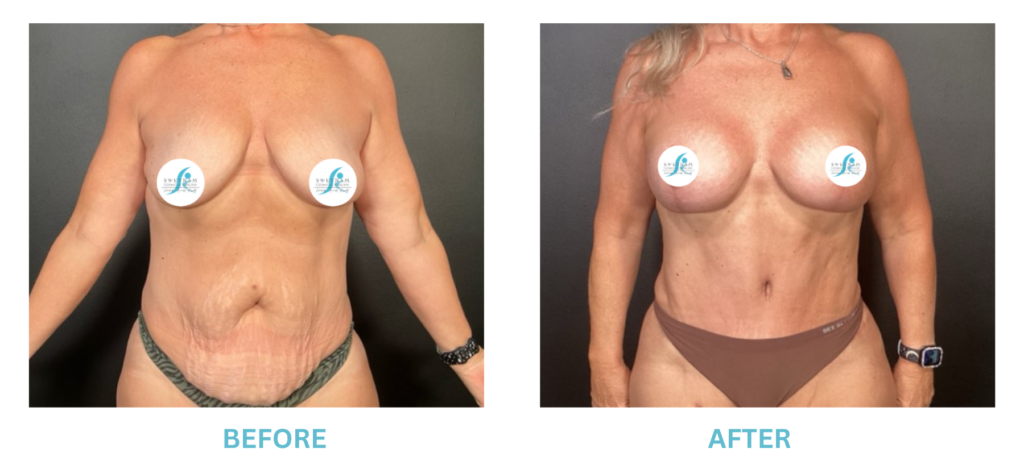
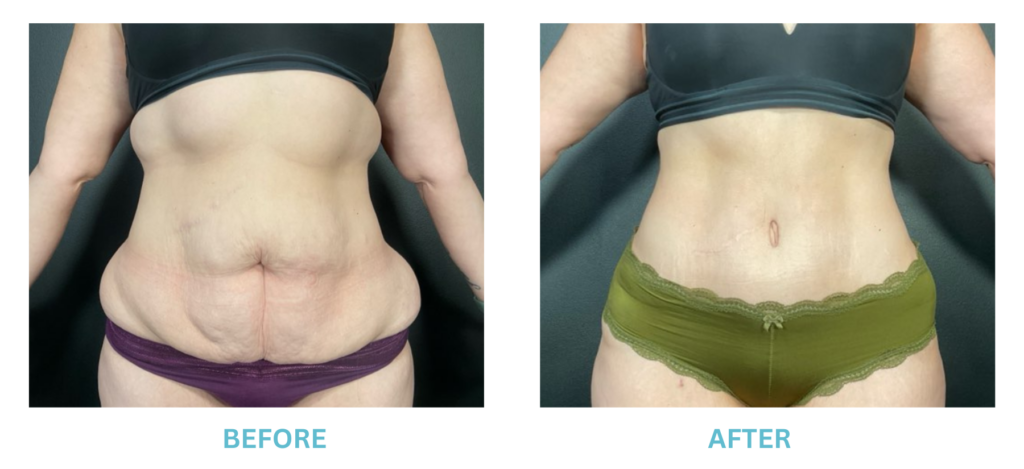
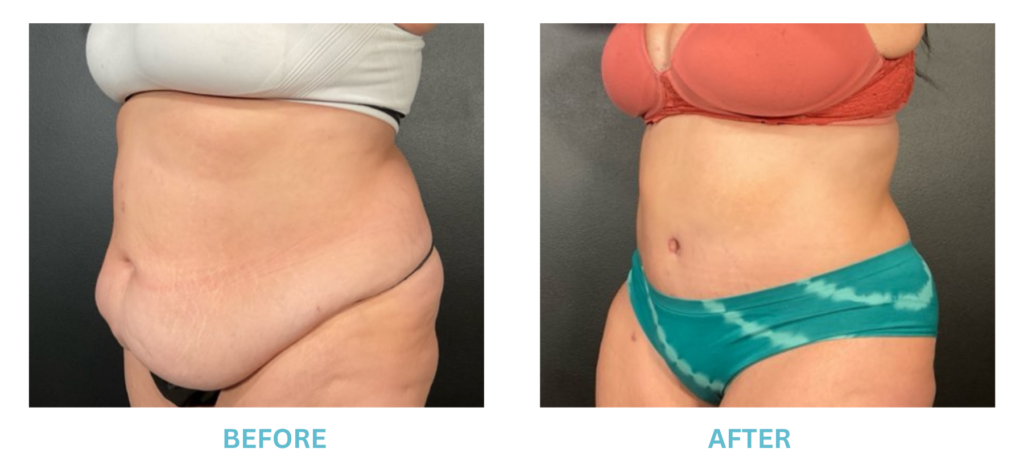
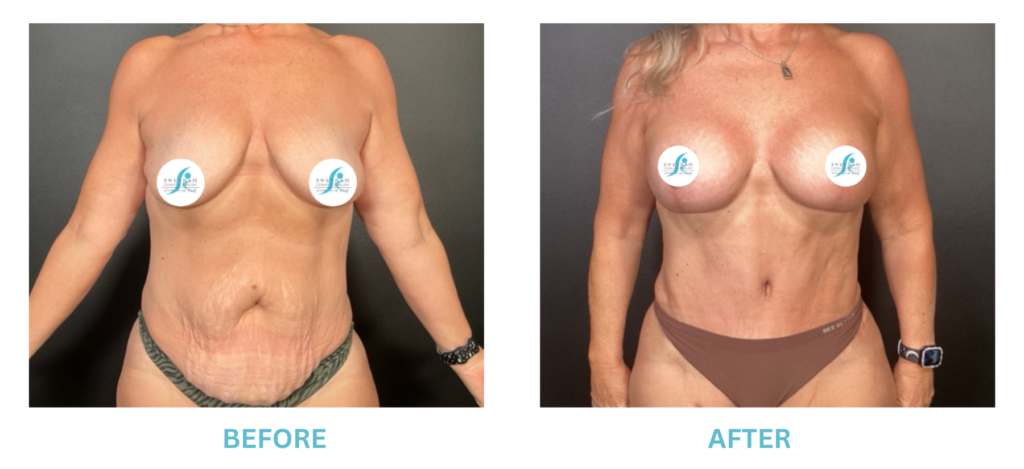
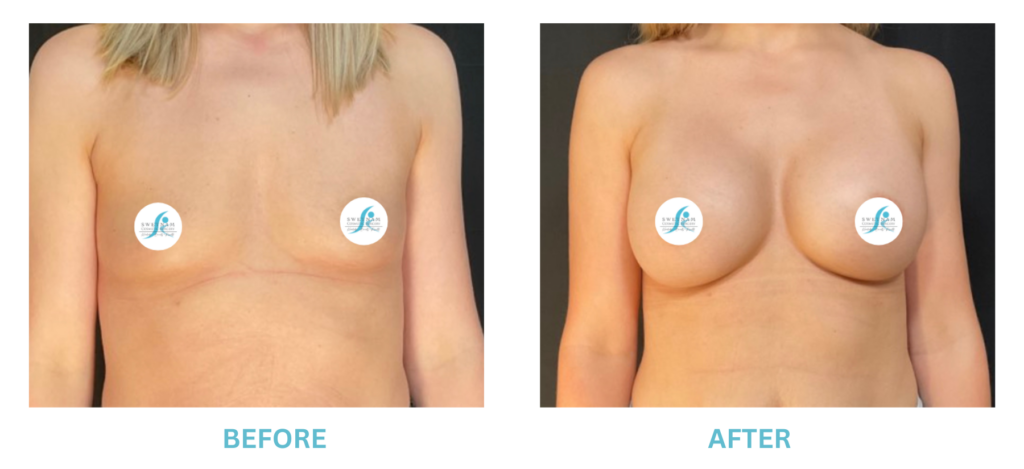
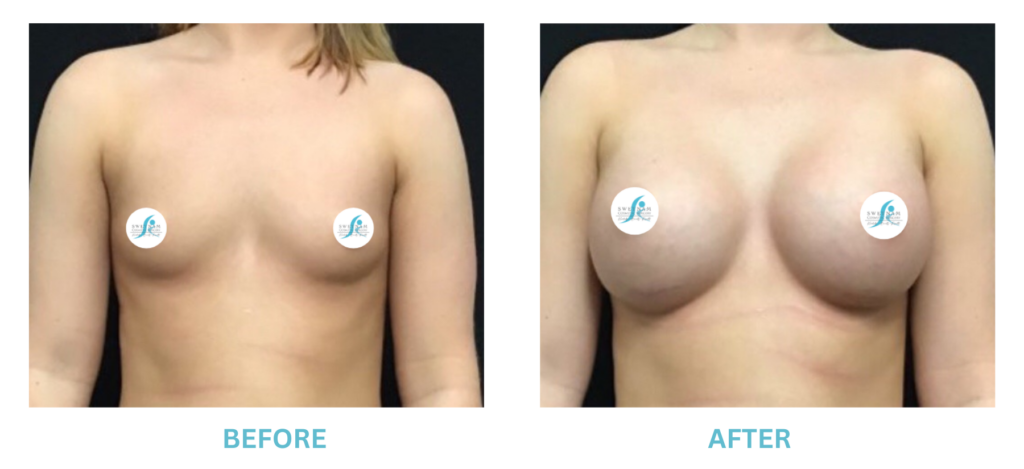
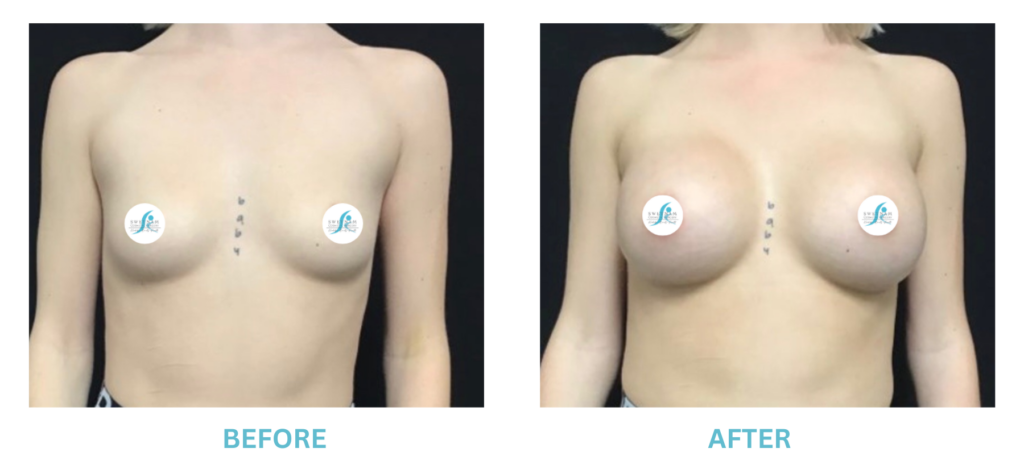
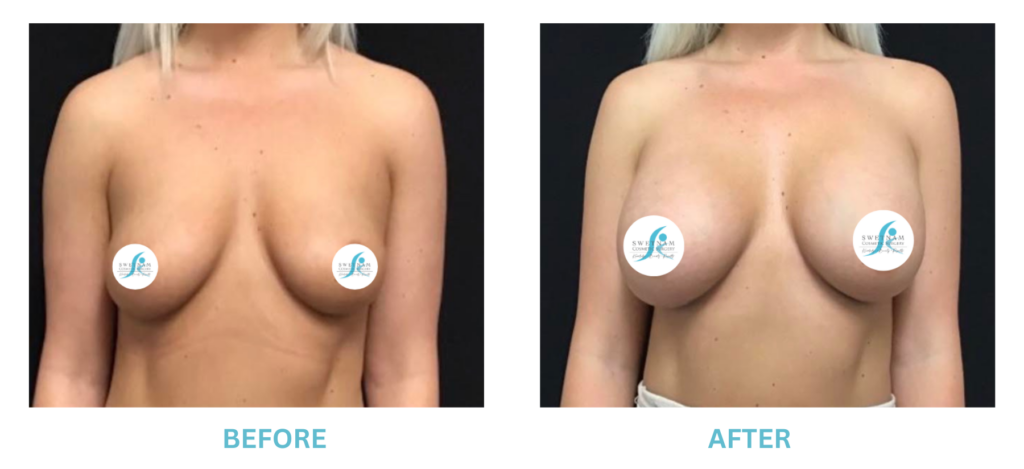
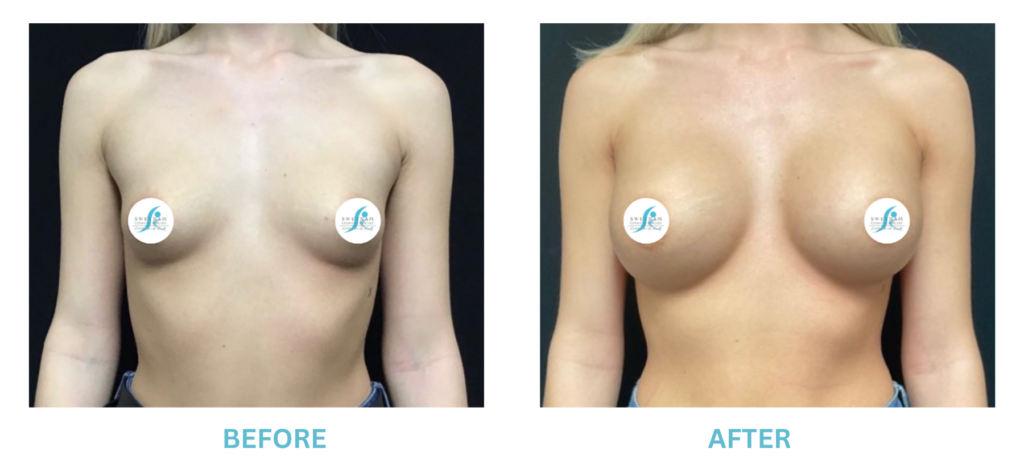
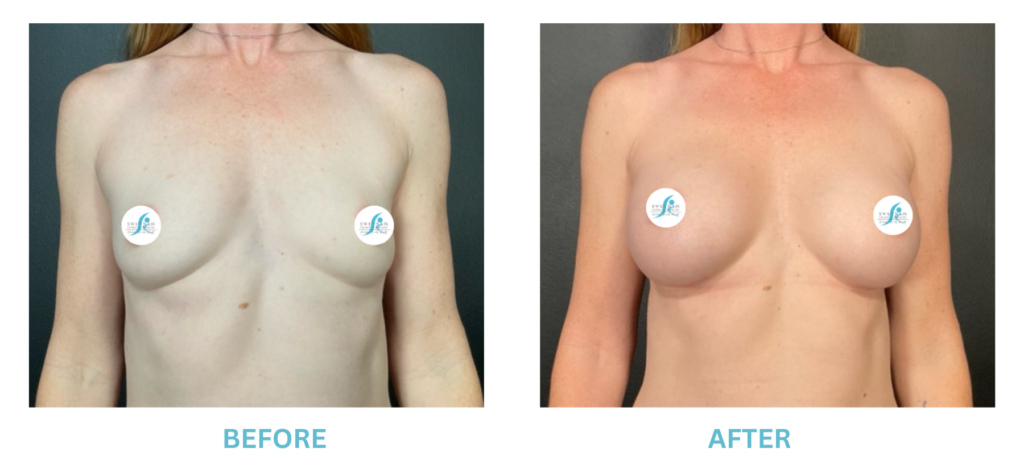
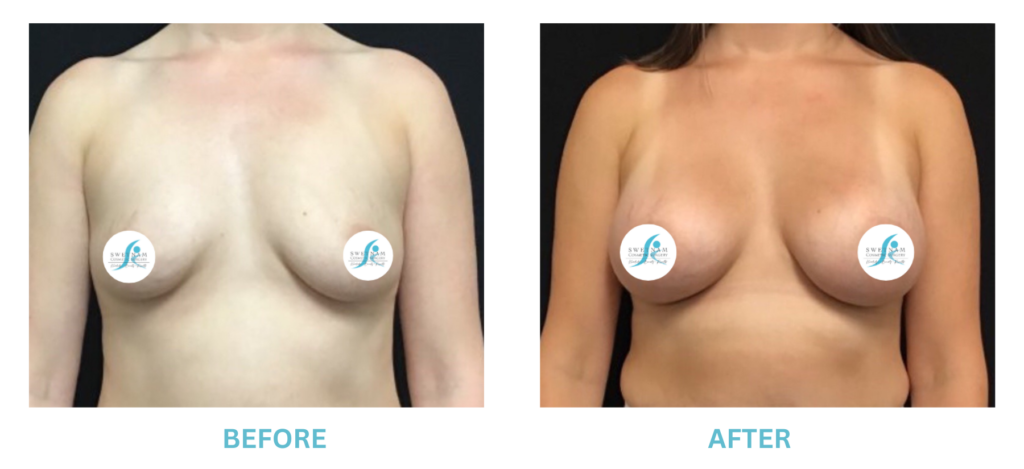
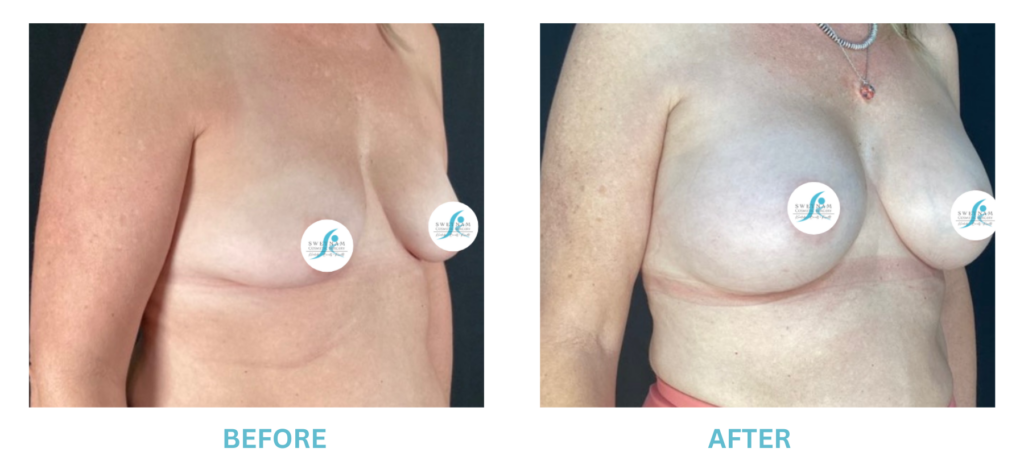
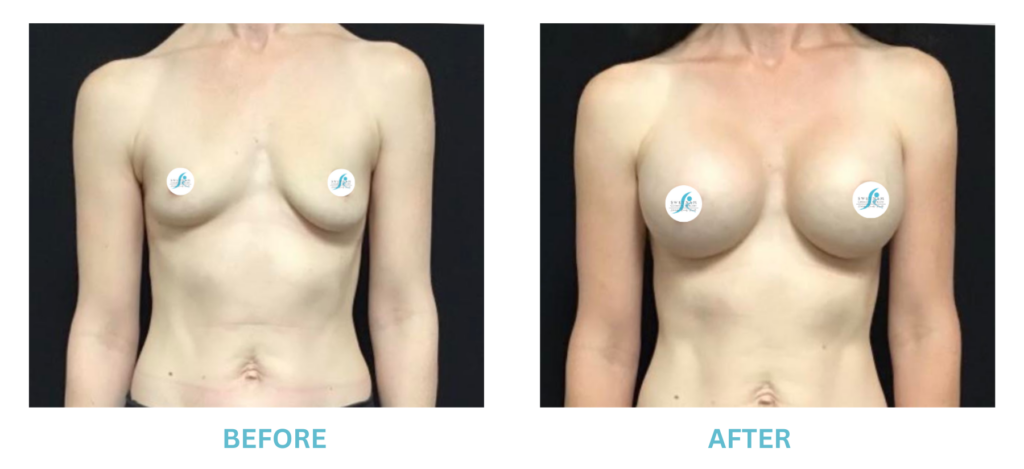
Every face has its own unique proportions, and facial balancing is about enhancing those proportions rather than changing them. Using the concepts shown in the references above, facial balancing combines Botox and dermal fillers to address multiple aspects of facial aging and facial proportions during a personalized treatment plan.
Dermal fillers are injectable treatments used to restore lost volume, smooth certain wrinkles, and enhance facial contours. Many fillers are made with hyaluronic acid, a substance naturally found in the body that helps maintain hydration and fullness.
Neurotoxins such as Botox and Jeuveau work differently. Instead of restoring volume, they temporarily relax targeted facial muscles responsible for dynamic wrinkles caused by repeated facial expressions.
Together, these treatments can complement one another by addressing concerns such as:
- Volume loss
- Fine lines
- Dynamic wrinkles
- Facial asymmetry
- Contour definition
- Overall facial balance
Rather than treating every area equally, facial balancing focuses on creating aesthetic facial harmony by evaluating how each facial feature relates to the others.
Depending on the patient’s goals, treatment may involve:
- Softening forehead lines
- Reducing frown lines
- Improving cheek support
- Defining the jawline
- Refining the chin
- Enhancing the lips
Because every face is different, treatment plans are highly individualized and based on facial anatomy, proportions, and desired outcomes.

What Contour Harmony Really Means
Beautiful facial rejuvenation isn’t about making one feature stand out. It’s about helping every feature work together naturally. Facial balancing focuses on proportion, symmetry, and subtle refinement rather than dramatic transformation.
1. It’s About Balance, Not Perfection
Every face naturally has small differences. Perfect symmetry doesn’t exist, nor is it usually the goal. Facial balancing focuses on creating better overall proportions while preserving the unique characteristics that make each patient recognizable.
Rather than asking, “How can we make my lips bigger?” providers often ask broader questions like:
- Which features draw the most attention?
- Is one area losing support?
- Would improving one feature create better overall balance?
- How do the upper, middle, and lower face relate to one another?
This comprehensive approach often produces results that appear subtle, refreshed, and natural.
2. Wrinkles Aren’t the Whole Story
Many people initially seek treatment because of forehead lines or crow’s feet. While softening these wrinkles can certainly create a refreshed appearance, facial aging involves much more than muscle movement alone.
Volume loss in areas such as the cheeks, temples, and chin also changes facial proportions over time. That’s why facial balancing frequently involves a toxin and filler combination instead of relying on one treatment by itself.
Botox helps relax selected muscles responsible for dynamic wrinkles, while dermal fillers restore structural support where volume has gradually diminished. Together, these treatments address multiple contributors to facial aging rather than focusing on only one concern.
3. Every Feature Influences the Next
One facial feature rarely exists in isolation. Changes in one area often influence how another area appears. For example:
- A flatter cheek may make the jawline appear less defined.
- Chin projection can affect overall facial profile.
- Lip proportions may influence facial balance.
- Jawline definition can change how the lower face appears.
Because facial features work together, providers often evaluate the entire face before recommending treatment. This broader perspective is one reason facial balancing treatments have become increasingly popular among patients seeking natural-looking improvements.
4. Less Can Often Accomplish More
One of the biggest misconceptions about injectables is that more product automatically creates better results. In reality, thoughtful placement is often far more important than volume alone. Small, carefully planned adjustments across multiple areas may create greater overall harmony than adding a large amount of filler to one feature.
This conservative philosophy helps maintain facial movement and natural proportions while avoiding an overfilled appearance. For many patients, subtle improvements create the most satisfying outcome.
5. Movement and Volume Work Together
Botox and fillers serve different purposes. Understanding how they complement one another is central to facial balancing. Botox primarily addresses:
- Forehead lines
- Frown lines
- Crow’s feet
- Dynamic facial movement
Dermal fillers commonly address:
- Cheek support
- Lip enhancement
- Chin definition
- Volume restoration
- Facial contour refinement
When thoughtfully combined, they contribute to facial contouring with injectables, helping providers address both muscle activity and structural support during the same overall treatment plan.
6. A Personalized Plan Makes the Difference
No two faces age the same way. Some patients experience early volume loss. Others notice stronger facial muscle movement.
Many develop both simultaneously. Rather than recommending identical treatments for every patient, providers evaluate factors including:
- Facial anatomy
- Skin quality
- Muscle movement
- Existing volume
- Facial proportions
- Personal aesthetic goals
This individualized assessment helps determine whether Botox, fillers, or a combination of both is the most appropriate approach.
7. Non-Surgical Sculpting Has Changed Facial Rejuvenation
Facial rejuvenation doesn’t always require surgery. Many patients are looking for treatments that offer gradual, natural-looking improvements with little interruption to their daily routines. That’s one reason non-surgical facial sculpting has become an increasingly popular option.
Rather than dramatically changing the face, facial balancing uses carefully planned injectable treatments to refine existing features and restore proportion where age-related changes have occurred.
Depending on your goals, treatment may focus on:
- Softening expression lines
- Restoring facial volume
- Defining facial contours
- Supporting facial symmetry
- Refreshing overall appearance
This conservative approach allows patients to enhance their features while maintaining the expressions and characteristics that make them uniquely themselves.

8. Definition Often Starts in the Midface
Many people believe the jawline is the first place to treat when facial definition begins to fade. However, providers often start by evaluating the cheeks. As collagen declines and facial fat shifts with age, the cheeks can gradually lose volume. This loss of support may contribute to changes in the lower face, including less definition along the jawline.
Strategically placed cheek and jawline filler can help restore facial structure and improve overall balance when appropriate. Rather than focusing only on the jawline, providers assess how the midface supports the rest of the facial contours. This comprehensive evaluation helps create improvements that look balanced instead of isolated.
9. Small Adjustments Create Better Proportions
Facial balancing isn’t about making one feature dramatically larger. It’s often about making several subtle refinements that complement one another. For example, improving chin projection may enhance the profile without changing the cheeks.
Adding modest cheek support may improve facial contours without requiring extensive treatment elsewhere. Similarly, lip and chin balancing can help create a more proportional relationship between the upper and lower face.
These carefully planned adjustments contribute to a refreshed appearance while preserving natural facial identity.
Discover Personalized Facial Balancing at Swetnam Cosmetic Surgery
Beautiful results begin with a personalized approach. Facial balancing combines the unique benefits of Botox and dermal fillers to create subtle improvements in facial proportion, contour, and overall harmony without changing what makes you look like you. Whether your concerns involve expression lines, volume loss, or overall facial balance, a customized treatment plan can help you achieve refreshed, natural-looking results.
At Swetnam Cosmetic Surgery in Fort Smith and Northwest Arkansas, every facial balancing plan is designed around your individual anatomy, aesthetic goals, and long-term vision. Through thoughtful consultation and conservative treatment recommendations, patients receive personalized care focused on enhancing facial harmony while preserving their natural appearance.
Contact us today to book your appointment!