


Peptide therapy has quietly become one of the most talked-about wellness tools among active adults — and for good reason. Whether you train seriously, stay active recreationally, or simply want your body to recover faster and perform more efficiently, peptides offer a clinically grounded approach to supporting the very systems that make physical activity possible. At Swetnam Cosmetic Surgery in Northwest Arkansas and Fort Smith, we offer peptide therapy as part of our comprehensive wellness menu because we see firsthand how meaningful the results can be for patients who are serious about their health.
What Are Peptides and How Do They Work?
Peptides are short chains of amino acids — the building blocks of protein — that act as signaling molecules throughout the body. Unlike large proteins, their small size allows them to penetrate cells and tissues efficiently, where they deliver targeted instructions to specific biological processes. The body produces many of its own peptides naturally, but production declines with age, and the gap between what the body needs and what it produces widens as the decades pass.
Therapeutic peptides used in a clinical setting are designed to mimic or amplify the body’s own signaling pathways. Depending on the specific peptide selected, therapy can support growth hormone production, accelerate tissue repair, enhance immune function, improve metabolic efficiency, or reduce systemic inflammation — all without the side effects associated with traditional hormone replacement or anabolic agents.
For active adults, this targeted biological signaling is particularly powerful. Recovery, adaptation, and body composition all depend on the body’s ability to respond efficiently to physical stress. Peptide injections support that response at a foundational level.

Why Active Adults Are Turning to Peptide Therapy
The athletic and wellness community has been exploring peptides for years, and mainstream adoption has followed as the clinical evidence base has expanded. Here is why active adults across Northwest Arkansas and beyond are incorporating peptide therapy into their recovery and performance routines.
1. Peptide Therapy for Recovery Accelerates Healing
One of the most compelling applications of peptide therapy for recovery is tissue repair. Peptides such as BPC-157 have been studied for their role in supporting tendon, ligament, and muscle healing — areas that are commonly stressed or injured in active individuals. By signaling the body to increase blood flow to damaged tissue and accelerate the cellular repair process, these peptides can meaningfully shorten recovery timelines.
For adults who push their bodies regularly — whether through running, weightlifting, CrossFit, cycling, or recreational sports — the ability to recover faster between training sessions translates directly into better performance over time. Less time nursing soreness means more time building strength and endurance.
2. Peptides for Muscle Recovery Support Lean Mass
Maintaining lean muscle mass becomes progressively more difficult after the age of thirty as growth hormone levels naturally decline. Peptide therapy that stimulates growth hormone secretion — such as Sermorelin or CJC-1295 — supports the body’s ability to build and preserve lean muscle tissue in response to exercise.
This is not about dramatic muscle gain. For most active adults, the goal is maintaining the lean composition that supports metabolic health, joint function, and physical capability as they age. Peptides for muscle recovery work by creating the hormonal environment that exercise already demands — they simply help the body respond more effectively to the training it is already doing.
3. Peptide Therapy for Metabolism Supports Body Composition
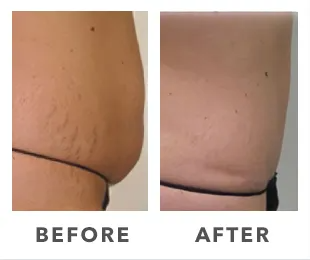
Beyond muscle preservation, metabolic peptide therapy addresses the other side of the body composition equation: fat loss. Growth hormone-stimulating peptides influence the body’s ability to mobilize stored fat as fuel, particularly in the abdominal region where age-related fat accumulation tends to concentrate.
Patients who combine peptide therapy with consistent exercise and a reasonable nutritional approach often report improvements in body composition that feel disproportionate to their efforts — leaner through the midsection, improved muscle definition, and more efficient energy utilization throughout the day. This is not a shortcut. It is the result of providing the body with the hormonal environment it needs to respond properly to the healthy behaviors that were already in place.
4. Systemic Inflammation Reduction
Chronic, low-grade inflammation is one of the most significant barriers to recovery and long-term health in active adults. High training loads, inadequate sleep, and the cumulative stress of a busy life all contribute to an inflammatory burden that slows healing, impairs sleep quality, and diminishes the adaptive response to exercise.
Certain peptides have demonstrated anti-inflammatory properties that help reduce this systemic burden. Patients often report improved sleep quality, reduced joint discomfort, and a general sense of feeling better day to day — outcomes that are harder to quantify than weight on a scale but equally meaningful to quality of life.
Common Peptides Used in Athletic Recovery Programs
Every peptide therapy plan at Swetnam Cosmetic Surgery is individualized based on the patient’s goals, health history, and current hormone baseline. Among the peptides most commonly used in athletic recovery and performance support are the following:
- BPC-157 — supports tendon, ligament, and muscle tissue repair; often used for joint health and injury recovery
- Sermorelin — stimulates the pituitary gland to produce more growth hormone naturally; supports lean mass, recovery, and sleep quality
- CJC-1295 / Ipamorelin — a widely used combination that produces a sustained increase in growth hormone secretion; benefits include improved body composition, recovery, and energy
- TB-500 (Thymosin Beta-4) — supports systemic tissue repair and flexibility; popular among endurance athletes and those recovering from repetitive stress injuries
- Hexarelin — growth hormone secretagogue with additional cardiovascular and tissue-protective properties
Your provider at Swetnam Cosmetic will review your health history, goals, and any existing lab work before recommending a peptide protocol. Peptide injections are typically self-administered subcutaneously at home following a brief training session with our team.

Who Is a Good Candidate for Peptide Therapy?
Peptide therapy is appropriate for a wide range of active adults. Patients who tend to benefit most include those who:
- Are between the ages of thirty and sixty-five and noticing that recovery takes longer than it used to
- Exercise consistently but feel that their body composition is not reflecting their effort level
- Are managing a chronic or recurring athletic injury that has been slow to resolve
- Have experienced a general decline in energy, sleep quality, or motivation that cannot be explained by lifestyle factors alone
- Are looking for a clinically supported wellness tool that complements their existing exercise and nutrition habits
A consultation at Swetnam Cosmetic Surgery in Springdale or Fort Smith, AR is the first step. Our team will discuss your goals, review your health history, and help you determine whether peptide therapy is appropriate and which protocol is most aligned with your specific needs.
Start Your Peptide Therapy Journey at Swetnam Cosmetic
For active adults who expect more from their recovery and their bodies, peptide therapy represents one of the most practical and clinically grounded wellness tools available today. It works with your biology, not around it — supporting the processes that exercise, sleep, and nutrition depend on to deliver results. If you are ready to recover faster, feel better, and perform at a level that matches your effort, contact Swetnam Cosmetic Surgery today at (479) 966-4174 to schedule your consultation. Our team at our Springdale and Fort Smith, AR locations is ready to build a peptide therapy plan around your goals.