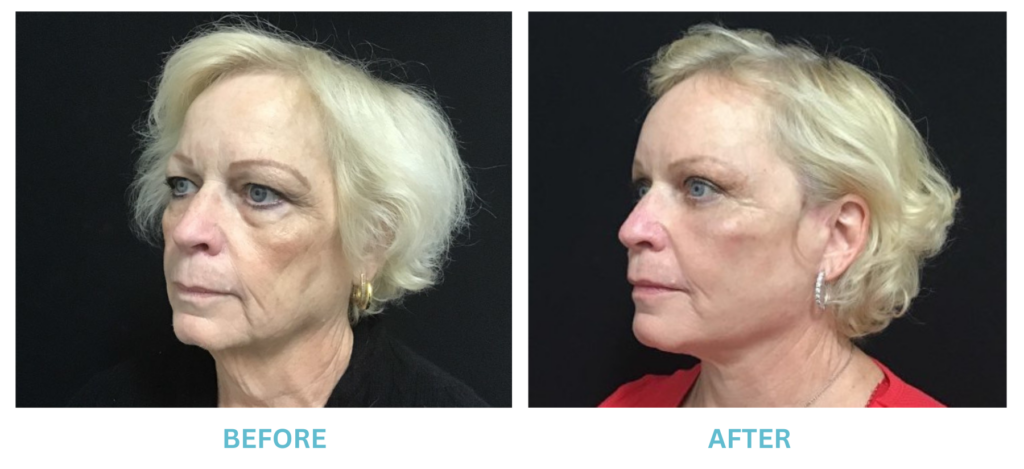



A youthful face isn’t defined by the absence of wrinkles alone. Smooth facial contours, a well-defined jawline, and firm skin all contribute to a refreshed appearance. Over time, however, gravity, collagen loss, and changes in facial fat distribution gradually alter those defining features.
You may begin noticing mild jowls, loose skin along the jawline, or a tired appearance that no longer responds to skincare products or injectable treatments. While these changes can feel discouraging, a facelift may offer a lasting solution that restores natural-looking definition and confidence.
For many people, the question isn’t whether a facelift can help; it’s whether they’re the right age for one. Is it better to act early, or should you wait until signs of aging become more pronounced?
Keep reading as we explore how a mini facelift works, who may benefit most from it, and why age is only one part of the decision.
What Is a Mini Facelift?
Understanding what a mini facelift can accomplish begins with understanding how facial aging develops. When we are younger, healthy skin naturally maintains its firmness and elasticity with relatively little effort. Medical-grade skincare, injectable treatments, laser resurfacing, and other minimally invasive procedures often provide excellent results for preserving a youthful appearance.
Eventually, however, collagen production slows, skin becomes less elastic, and facial tissues begin to descend. At that point, non-surgical treatments may offer only modest improvement. For patients experiencing more noticeable skin laxity, a mini facelift procedure can provide a more effective and longer-lasting solution.
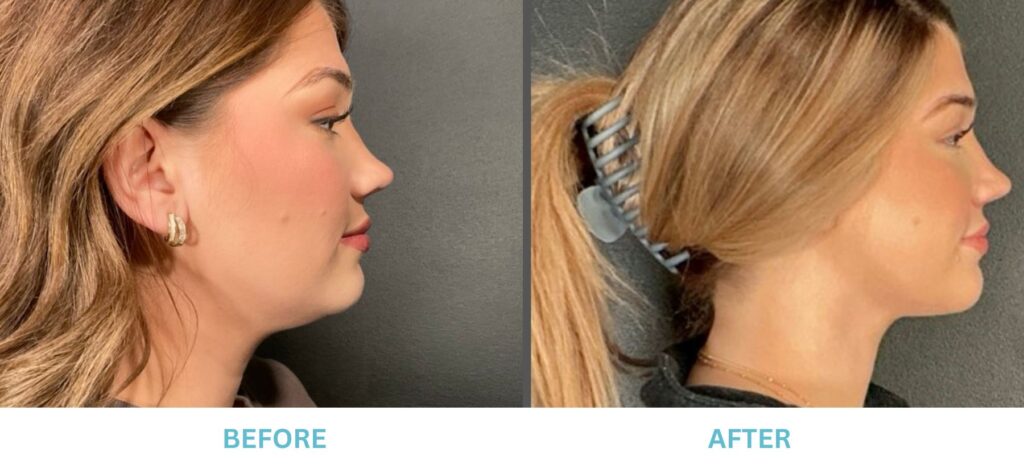
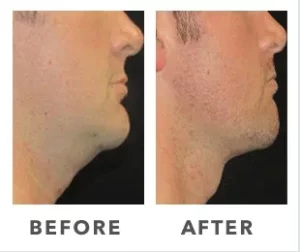
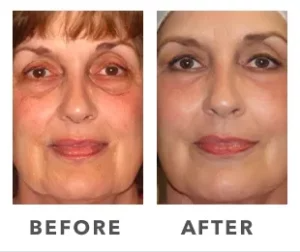
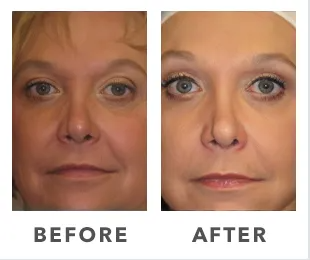
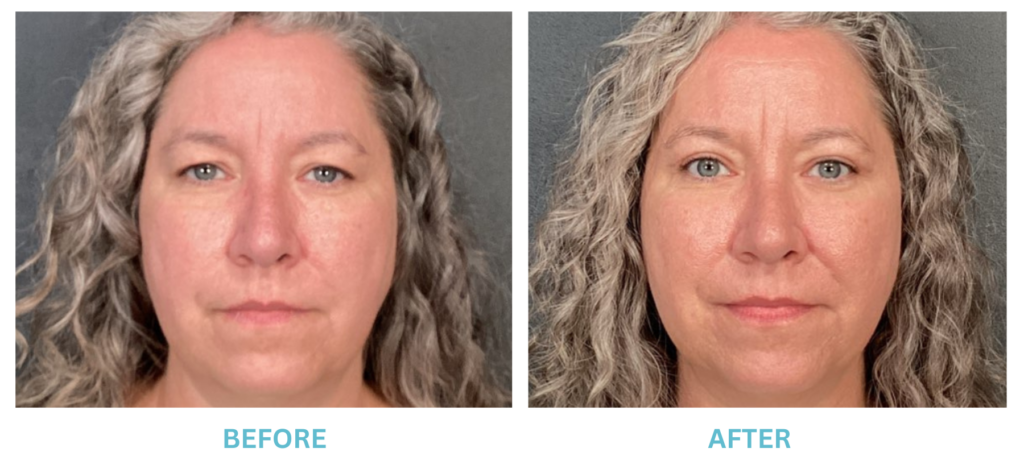
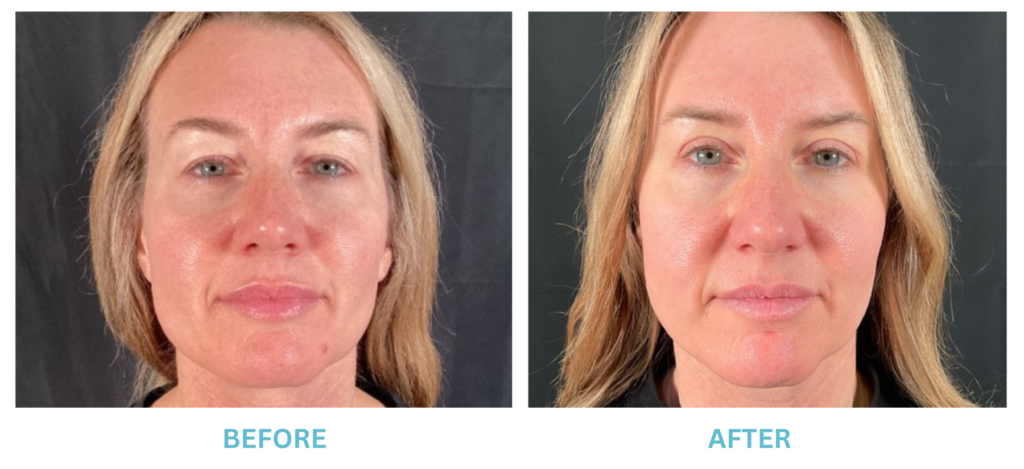
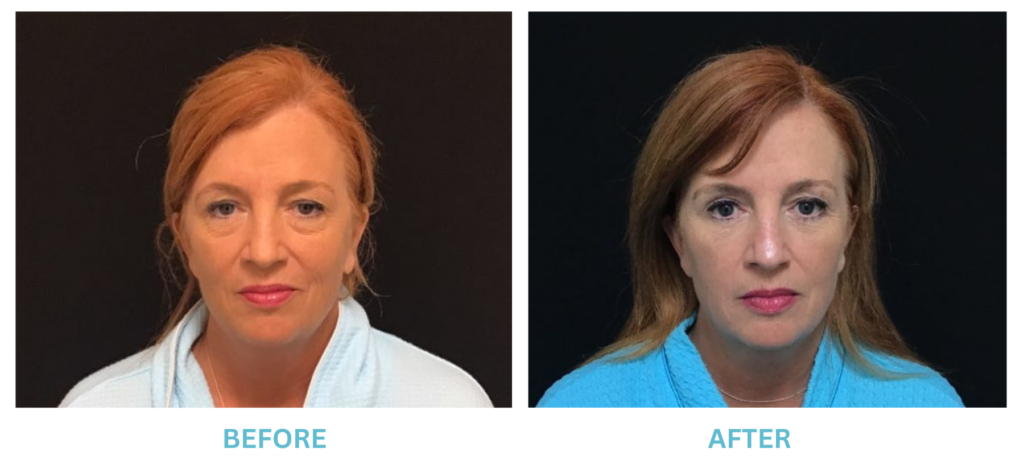
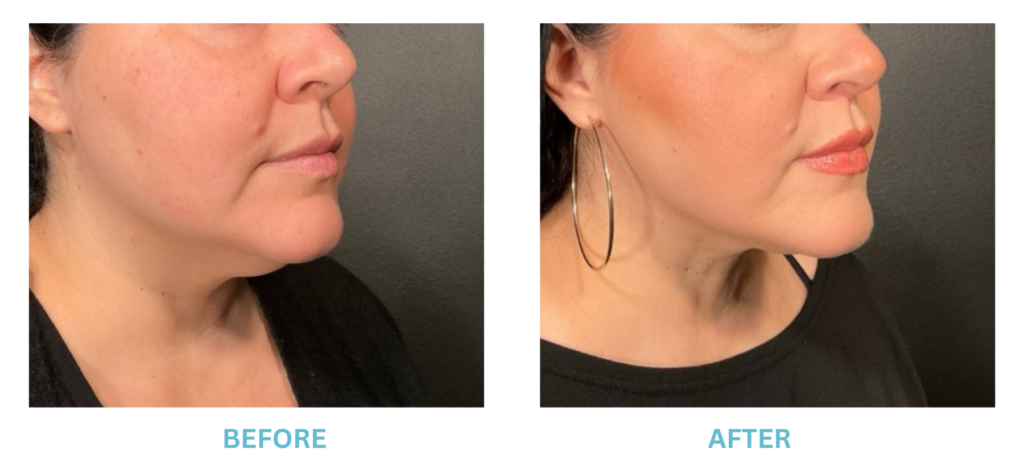
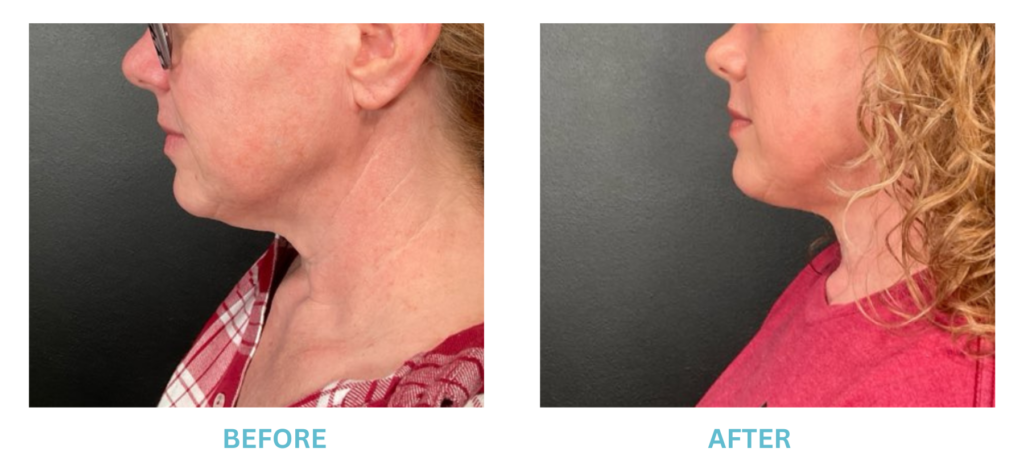
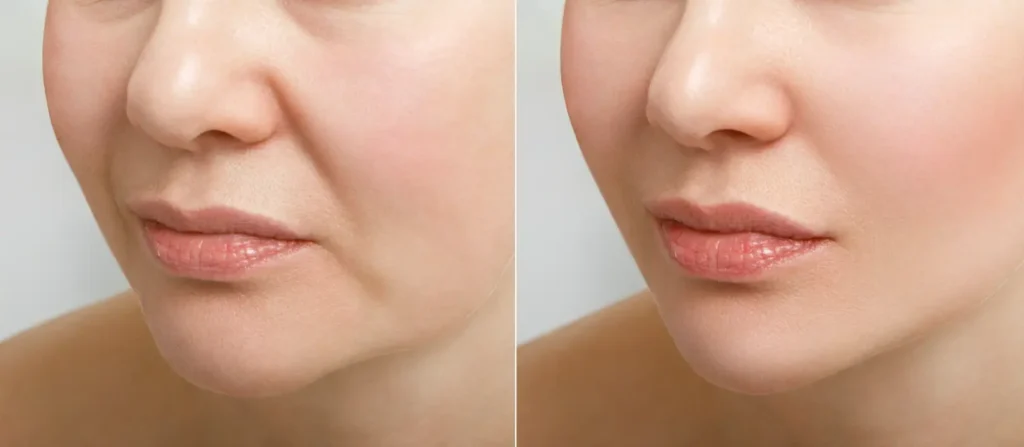
Unlike a traditional facelift, a mini facelift focuses primarily on the lower portion of the face, where aging often becomes visible first. The procedure lifts underlying tissues, removes excess skin when appropriate, and restores smoother facial contours while maintaining a natural appearance.
Compared with a full facelift, the procedure generally involves smaller incisions, a more focused treatment area, and a shorter recovery period for appropriately selected patients. Many individuals appreciate that a mini facelift refreshes their appearance without dramatically changing the features that make them uniquely recognizable.
Age or Timing?
Choosing the right time for facial rejuvenation involves much more than celebrating a particular birthday. When discussing facelift age considerations, experienced surgeons focus less on chronological age and more on facial anatomy, skin quality, lifestyle, and aesthetic goals.
Several factors influence whether someone may be an ideal candidate, including:
- Degree of skin laxity
- Overall skin health
- Facial volume loss
- Bone structure
- General health
- Personal expectations
- Previous cosmetic treatments
Rather than asking, “Am I too young?” or “Am I too old?” a better question is, “Has my face reached the point where surgery offers the most meaningful improvement?”
When Is Too Young?
Many people assume facelifts are reserved exclusively for patients in their sixties or seventies. In reality, some individuals begin exploring surgical facial rejuvenation much earlier.
1. Early Aging Matters
Age isn’t always the first indicator of candidacy. Some patients begin developing early signs of facial aging in their late thirties or forties due to genetics, significant weight loss, prolonged sun exposure, or lifestyle factors. Mild jowls, softening along the jawline, and reduced skin elasticity can appear sooner than expected.
When these concerns become noticeable, patients often spend years trying to maintain results through injectable fillers, skin-tightening treatments, or laser procedures. While these treatments certainly have value, they may eventually become less effective as structural facial changes continue to develop.
For carefully selected patients, addressing these concerns earlier with a mini facelift can provide elegant, natural-looking improvements before sagging becomes more advanced.
2. Prevention Can Be Strategic
Some aesthetic procedures work best before aging becomes severe. Choosing surgery while facial tissues still retain relatively good elasticity often allows surgeons to reposition tissue more effectively, producing refined results that complement the patient’s existing facial structure.
Rather than creating a dramatic transformation, an earlier mini facelift often focuses on subtle lower-face rejuvenation that simply restores youthful contours. Many patients appreciate hearing comments like:
- “You look refreshed.”
- “You look well rested.”
- “Have you changed your skincare routine?”
These understated compliments reflect the hallmark of successful facial rejuvenation: looking like yourself, only more refreshed.
3. Expectations Should Be Realistic
Being younger doesn’t automatically make someone a candidate for surgery. Patients whose concerns involve only fine lines, mild volume loss, or isolated wrinkles may benefit more from less invasive treatments before considering surgery.
For example, providers may recommend:
- Medical-grade skincare
- Neuromodulators
- Dermal fillers
- Laser resurfacing
- Collagen-stimulating treatments
A mini facelift addresses tissue descent, not every cosmetic concern. Choosing surgery too early, before meaningful sagging has developed, may provide less noticeable benefit than non-surgical options specifically designed for earlier stages of aging.
When Is Too Old?
One of the biggest misconceptions surrounding facial rejuvenation is that there comes a point when surgery is no longer appropriate. Fortunately, chronological age alone rarely determines candidacy.
1. Health Comes First
Many healthy patients in their sixties, seventies, and even beyond enjoy excellent outcomes from facial rejuvenation procedures. Rather than focusing exclusively on age, surgeons evaluate overall health, healing ability, medical history, and lifestyle.
Patients who maintain good general health and realistic expectations often remain strong candidates regardless of the number of candles on their birthday cake. This individualized approach allows cosmetic surgery candidacy to be determined by health and anatomy rather than arbitrary age limits.
2. Advanced Aging May Need More Than a Mini Facelift
Although a mini facelift provides excellent correction for mild to moderate aging, it is not designed to address every concern. Patients with more advanced facial aging may experience:
- Significant skin laxity
- Pronounced neck sagging
- Deep facial folds
- Extensive tissue descent
- Marked loss of jawline definition
In these situations, a traditional facelift may provide more comprehensive correction than a mini facelift alone. Rather than viewing this as being “too old,” it’s simply a matter of selecting the procedure that best matches the degree of facial aging.
A personalized consultation allows your surgeon to recommend the treatment capable of delivering balanced, long-lasting results while preserving your natural appearance.
3. Choosing the Right Time Matters
Deciding when to pursue facial rejuvenation is a personal decision, and timing can significantly influence both your experience and your results. Many patients postpone surgery because they worry they’re either “too young” or “too old.” In reality, waiting too long may allow skin laxity and tissue descent to become more pronounced, while pursuing surgery too early may mean that less invasive treatments could still provide meaningful improvement.
The ideal time often falls somewhere in between, when non-surgical options are no longer delivering the desired results, but before facial aging becomes extensive. Having an open discussion with a qualified facial plastic surgeon allows you to explore your options and determine whether a mini facelift is the most appropriate choice or whether another treatment would better align with your goals.
Beyond Your Age
While age is often the first question patients ask, several other factors play an equally important role in determining whether a mini facelift is right for you.
1. Skin Quality
Healthy skin responds differently than skin that has experienced significant sun damage or collagen loss. Although a skin laxity treatment like a mini facelift can reposition facial tissues, the quality of your skin also influences the final result.
Patients with good skin elasticity often experience smoother contours and longer-lasting improvements. Factors that affect skin quality include:
- Sun exposure
- Smoking history
- Hydration
- Genetics
- Daily skincare habits
- Overall health
Maintaining healthy skin before and after surgery helps support beautiful, natural-looking outcomes.
2. Lifestyle
A patient’s lifestyle frequently influences both recovery and long-term satisfaction. Individuals who maintain healthy habits, including balanced nutrition, regular exercise, adequate sleep, and sun protection, often enjoy results that complement their overall wellness.
Likewise, patients who understand the importance of following postoperative instructions typically experience a smoother recovery and can return to their routines with greater confidence. Rather than viewing surgery as a shortcut, it’s helpful to see it as one component of a long-term commitment to healthy aging.

Rediscover a More Refreshed You
Looking your best is about feeling confident every time you look in the mirror. At Swetnam Cosmetic Surgery in Fort Smith and Northwest Arkansas, patients receive personalized guidance and treatment recommendations tailored to their unique facial anatomy, lifestyle, and goals.
Whether you’re beginning to notice subtle changes or exploring surgical rejuvenation after years of non-invasive treatments, the experienced team is dedicated to helping you achieve elegant, natural-looking results that reflect the very best version of you.
Contact us today to book your facelift consultation!